Tomatoes!

My efforts have been focused on cleaning out the garage, the past few days - our son is a drummer and needs a drum set here at home, so we had to find a place for it. The Poppy Corners Garage Band has formed; come on by and jam sometime! (While 'Poppy Corners' sounds ok for a cottage, or a farm, it just doesn't sound quite right for a band, does it?)

Meanwhile I went out to lay eyes on the garden last night and see if anything was amiss. (I had noticed deer activity over by my herb spiral, so wanted to make sure they hadn't marauded on the other side of the yard.) And, lo! My eye was caught by a flash of red! Yes, tomatoes, halfway through June. I was pretty excited, let me tell you. There were six that were ripe, but only two made it to the photo op. And they didn't live long after that, either.


So summer has officially arrived in my yard. Now, the basil needs to hurry up, and then we can have caprese salad.

Milkweed

Whilst hiking today, I came across a patch of milkweed, covered in several different kinds of insects, including paper wasps, tiny native bees, and honeybees (mine? possible). It seems that milkweed is not only good for monarch butterflies, but for many pollinators. It's also delicate and beautiful to look at. In the open spaces near Mt Diablo, the variety that I most see is 'narrow-leaved milkweed.'


I noticed that many of the plants already had seed pods, so I picked a few and brought them home. I put them in a paper bag, where they will dry out and burst, and then I'll scatter the seeds in my yard during the winter rains.


I've tried this before, with no luck. It may be that the plant prefers a slightly higher elevation. Or perhaps I'm giving it too rich of a soil, and too much water. As you can see from the background of these photos, it's quite dry and brown in the hills. Or perhaps I need to scatter them later in the season.

I did a little research on how insects pollinate milkweed, and it's quite interesting, and rather sexy. This from Xerces, an invertebrate conservation siteMilkweed flowers have a unique shape and are pollinated in a more specific way than most other insect-visited flowers. Rather than occurring as free grains that are accessible to any visitor, milkweed pollen is contained in pollinia, waxy sacs located inside vertical grooves of the flower. When an insect visits the flower to obtain nectar, one of its legs may slip into a groove (“stigmatic slit”), attaching pollinia to the insect’s leg. Fertilization occurs when pollinia are then in- advertently transferred by the insect to another milkweed flower.
 
I've also been seeing a mother deer and her two fawns quite often, and they are moving closer and closer to my house. I've been wondering when the deer will find my new veg beds. I'm hoping our (inadequate for this purpose) short fence will deter at least the babies.


Herbs

I think one of the most gratifying things about having a garden is being able to go out and pick the herbs you want for cooking. Buying bundles of herbs in the store is quite costly, and who needs a whole bundle anyway, unless you're making pesto?

Tonight, I roasted a chicken. Earlier today, I went to my herb spiral and picked a few springs of each of the following: rosemary, tarragon, sorrel, marjoram, thyme, and sage. I then put them in a mason jar and added some local extra virgin olive oil. The oil was then rubbed into the skin of the chicken, and the herbs were added with a lemon to the cavity.


This felt extremely frugal and housewifely. :) Not to mention, mouth-watering.

First day of vacation

Ah, it feels good. No lunches to pack (though I have to help the kids a little in the kitchen), I can put on working-in-the-yard clothes, I can drink iced coffee the entire day if I want to. There is a perk to having a career in a school setting - and that perk is SUMMER.

Today I spent some time making a list of things to do in the garden. Then I pulled up the rest of the poppies and separated seeds, filled up the green garbage can (the one that goes to the city compost), and filled up my own compost bin.

I made and staked the cucumber cages.


I pulled weeds. I noticed yet another dog vomit fungus. I think this must have something to do with the wood chips we spread this year - does this stuff grow particularly on cedar?


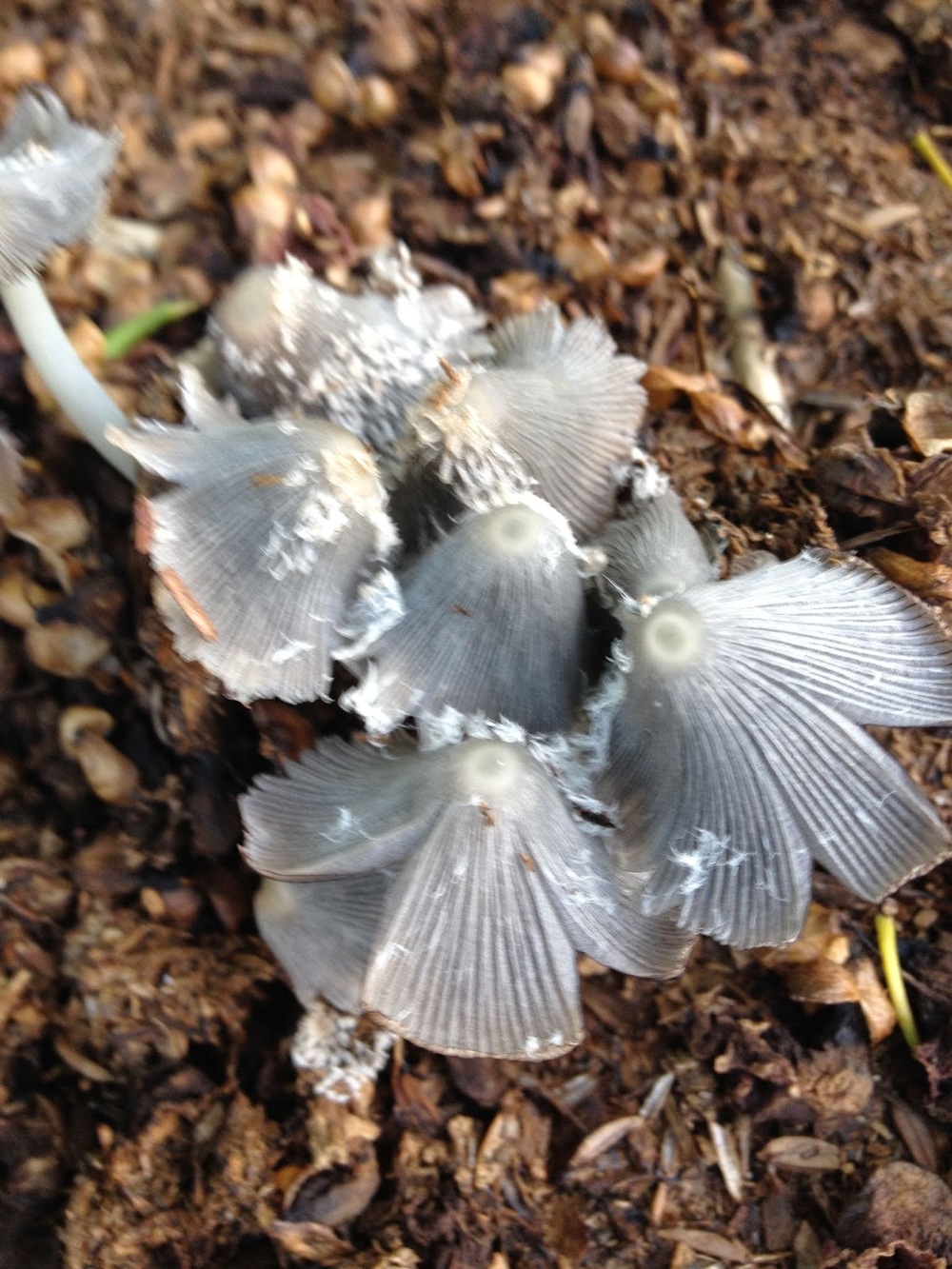
There are lots of interesting fungi coming up in the raised beds, which is a by-product, I think, of the decomposing mulch underneath. Most of the mushrooms are blue-grey, and I am having trouble identifying what kind they are.


I have the most gorgeous sunflower blooming in the side yard. I got the seeds from Renee's Garden, I can't remember if it's a "Chocolate Cherry" or "Cinnamon Sun" variety, but I love it.


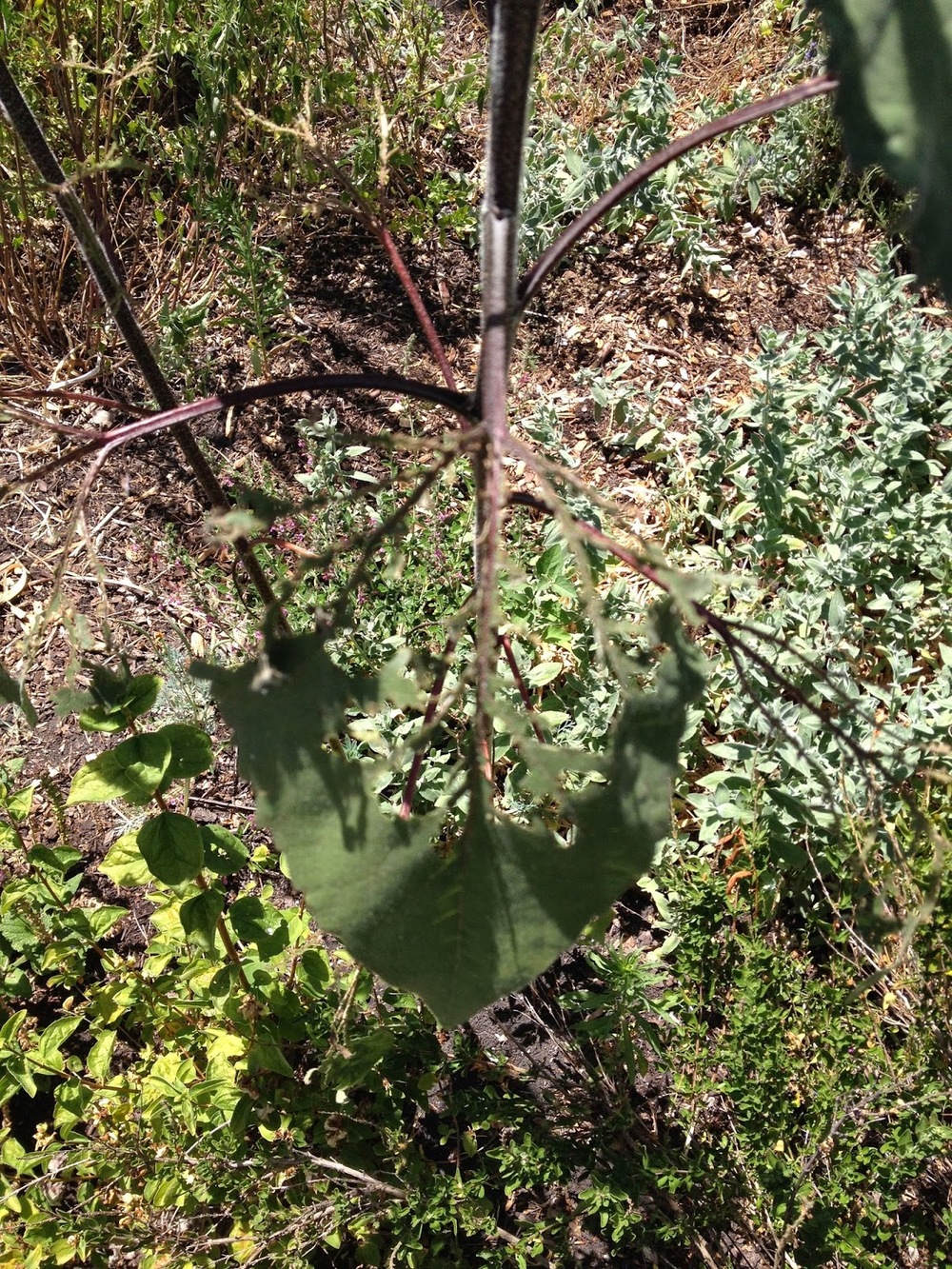
Every year I notice how much the goldfinches like sunflower leaves. They completely ignore the flower, but perch on the leaves and eat them. It's hard to see in this photo, but many of the leaves are completely decimated. It doesn't seem to hurt the plant, and gosh the finches are cute.


The sweet potatoes are going great, despite the fact that at least one slip was stolen by a creature, I'm guessing a raccoon. It seems a very raccoon-y thing to do.


The bees are all over the Chinese Tallow trees and Agaves in the neighborhood, and seem to be having a second nectar run. This is great news, as I want them to have plenty of food for the winter. They keep making babies, I can't believe how many more bees are in the hive! The queen is a good layer.

Each year, I give the kids a new summer rule. This summer it was that they each have to make dinner once a week. This means helping me make an ingredient list and shopping for what they need. Kate's up first - she chose nachos. Not exactly gourmet. But I'll have mine on a bed of greens from the garden!

Father's Day

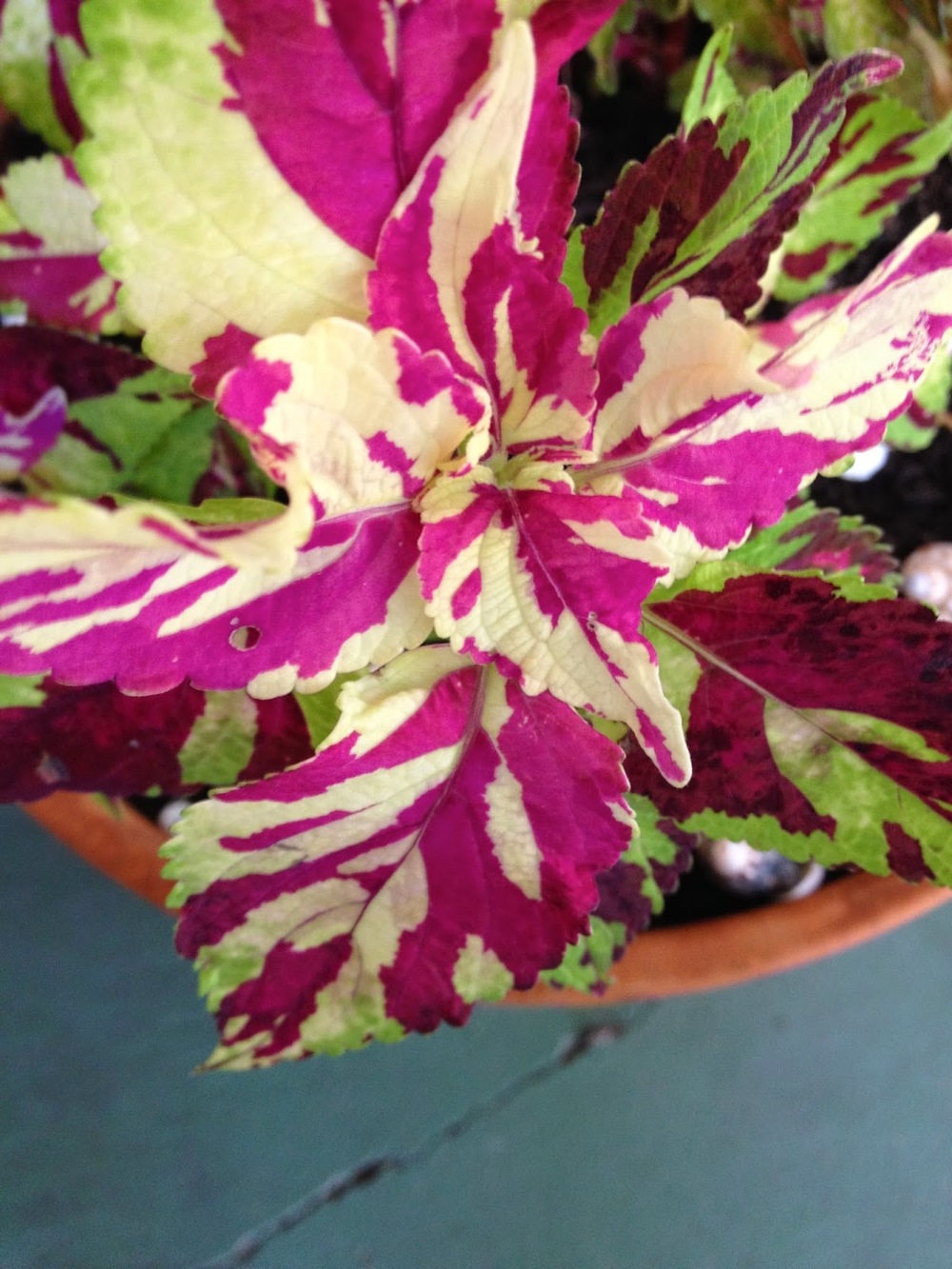
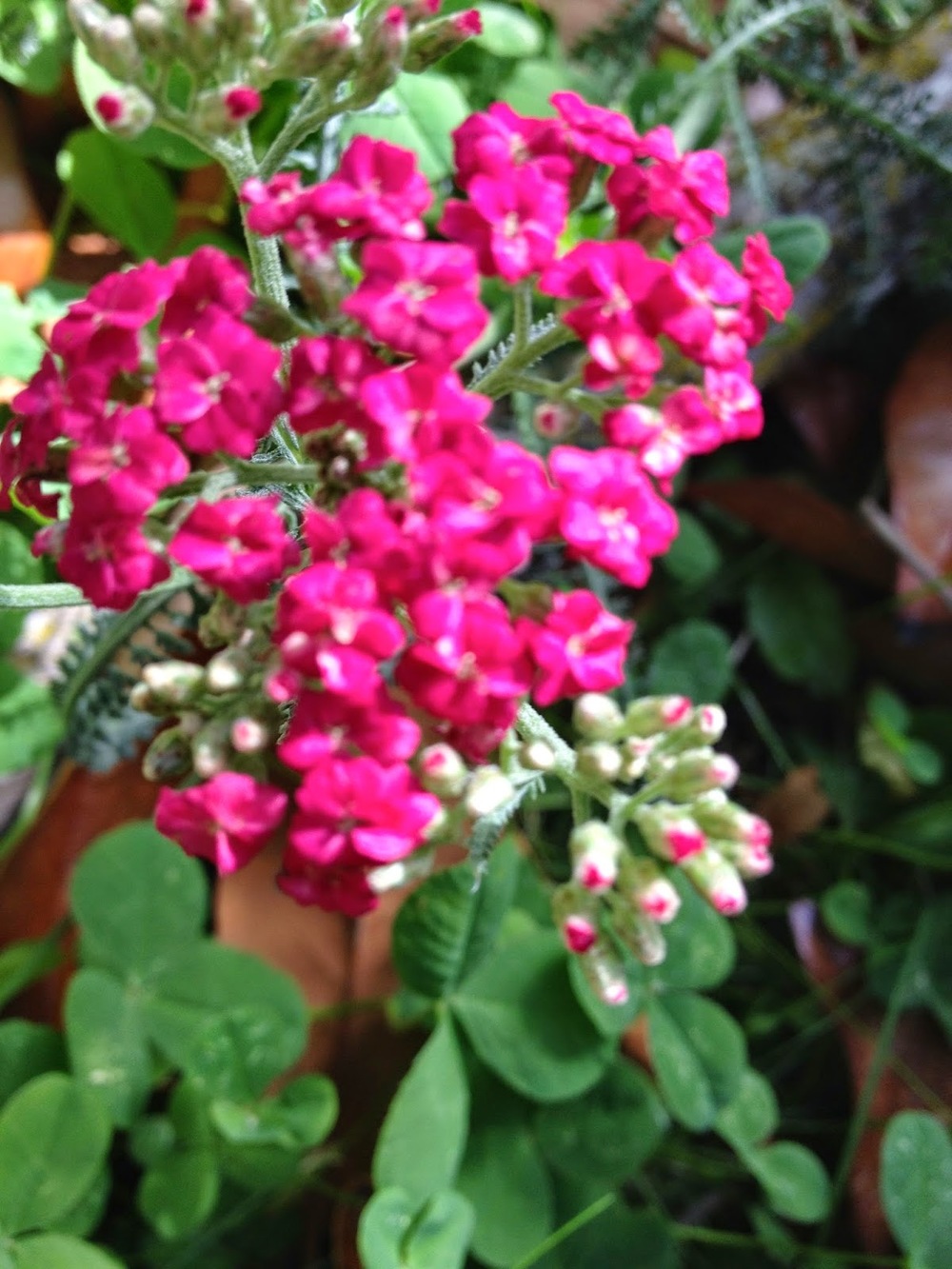
I started out the day noticing that pink has taken over the flower garden.


That last is a rain lily, a bulb from my great-grandmother, passed down through generations.

My parents came over, and my dad and I took a look at the bees. He noticed marauding yellow jackets, looking for dying bees to take home to their young. We watched this drama unfold.


I guess the yellow jackets can have the dying bees, though I still dislike them and wish they'd just stay out of my garden.

The whole family traveled up to the Capay Valley. We were on a hunt for almonds, but it seems like the main almond festival time is February. There wasn't much going on in the sleepy farm towns of Esparto, Brooke, Guinda, and Rumsey. We did manage to buy some apricots and cherry jam from a farm, then got some BBQ in Guinda and took it down by Cache Creek for a picnic. We traveled up Hwy 16 to Full Belly Farm, a farm that we often see highlighted on local restaurant menus. No one was around, but we got permission to walk around the farm, and it was quite lovely.


We pulled off the road to look at sunflower fields and the beehives beside them. The fields were alive with buzzing and incredible to look at.


We ended the trip at a local market specializing in local products and grass-fed local meat. Mom got some olive oil, I got a tri-tip to grill for dinner.

Tonight I think I'll send the kids and the husband out for ice cream, while I indulge in my favorite sweet treat, frozen banana mousse.

Cut up very, very ripe bananas - ones that have lots of brown spots. Put them in a bag in the freezer.


When you're ready for dessert, put the bananas in your food processor.


Add some unsweetened cocoa powder, and some cream (I use heavy cream, but you could use half and half or milk), and blend until smooth. Keep adding liquid until it's the right consistency.


Then enjoy the deliciousness. It's light, it's fluffy, and it has no added sugar.


That picture doesn't do it justice, but it was dark when I took it. Honestly, you must try this! It's so good.

The perfect end to this day will be watching the Game of Thrones season finale with Tom.