• About
  • Blog
  • Contact
  • Favorites
  • Archive
Menu

Poppy Corners Farm

Street Address
Walnut Creek, California
Phone Number
Walnut Creek, California

Your Custom Text Here

Poppy Corners Farm

  • About
  • Blog
  • Contact
  • Favorites
  • Archive

A Bat in our Garden

August 7, 2019 Elizabeth Boegel
IMG_0192.jpg

The picture above was taken last August at the Yolo Bypass - an event that I wrote about at the time and can be accessed HERE. I love bats and have always wished to have them in our garden. The likelihood is that they already are, but last night we had proof: For about ten minutes, around 8:30 pm, I watched a single bat fly around the North side of our garden.

First, the behavior: The bat flew quite low, about 8 feet off the ground (sometimes higher) in a roughly circular pattern over this portion of the garden, dipping lower as it flew over the compost pile in the chicken’s run, and then higher as it flew over and around the plants and trees. It kept coming back to the compost pile, and all I could figure is that there were a lot of flying insects in that particular area. It dodged and changed patterns, swiftly and surely. At one point I could hear its wings beating, but of course I could never hear its chirps as they are in a register far above our hearing ability. What an absolute delight. Tom and I just could not get over it and were so happy to see that evidence of a healthy ecosystem.

Many years ago, Tom and Adam built a bat box to erect in the garden, but we never got around to putting it up. It has been sitting upright on the ground, against the fence, behind the quince tree, ever since. It would require a large pole; bats are notoriously fussy about boxes and they have to be positioned just right, it just always seemed too difficult to make it ideal for nesting (for a list of requirements, see this page). I’m regretting that now, and will begin again to figure this puzzle out. Meanwhile, where was this single bat nesting? We do have a highway overpass about a mile away, where we’ve seen swallows nesting for years. It’s near a not-quite-dry-in-summer creek, which is ideal for bats. We are also not far from a series of cliffs and rock walls in the Mt Diablo foothills. Bats can fly many miles to find good forage.

Wherever the bat is nesting, it is likely nesting in a colony, and they all leave the area at the same time each night. Then they each go their separate ways, looking for prey. I’ll have to remember to go down to the freeway overpass and see if there is a bat ‘exodus’ in the evening! Bats are also migratory, so they might only be nesting here in the summer months.

Photographing this single bat would prove difficult. First of all, it’s heavy dusk. Second of all, its flight pattern is so fast and erratic. It seemed quite small, which makes me think it was a Mexican free-tailed bat (Tadarida brasiliensis), but it could have also been a big brown bat (Eptesicus fuscus) or any one of the genus Myotis. I just do not know enough about bats to be able to ID it on the wing, in the dark.

You can be sure that tonight at the same time, I will be outside sharp-eyed, looking for the bat to return - maybe with friends. Do you have bats in your garden? Have you successfully installed a bat house? I’d love to hear about it. Meanwhile, for more information about Northern CA bats, please visit the Northern California Bat Rescue and Education website (you can also get info on the tours at the Yolo Bypass, like we attended last August - they are usually booked ahead of time so plan ahead) and also see this interesting article in Bay Nature, written by one of my Horticulture classmates! Also, the following video from Growing a Greener World (PBS) has some fabulous information.


Tags wildlife, IPM
6 Comments

"Gardeners as Superheroes"

August 4, 2019 Elizabeth Boegel
IMG_2947.jpg

There’s a few odds and ends that I want to share with you today. One is that our tomato crop is coming in - yay! - and I’m processing/eating/giving away as fast as we can. I shared some ‘new-to-me’ varieties a couple of weeks ago - and I promised I would show them again as they ripened. So here you go!

One is Indigo Apple, from Wild Boar Farms. It’s a small slicer, about 4-8 oz, maybe in the saladette category. A nice size, bigger than cherry but smaller than some of the big slicers like Black Krim. That makes it hard to use for canning, because it’s a pain to take the skins off smaller tomatoes. But it makes it excellent for fresh eating. And it’s delicious and very sweet! It starts out on the plant as a green tomato with purple shoulders, and then when it ripens it looks like this.

Beautiful dark shoulders and terra-cotta skin color. The inside is a bright pink, which looks great next to the dark edges of the skin.

IMG_2975.jpg

I really like this variety and will grow it again.

Another is Blue and Gold Berries, also from Wild Boar Farms. This is a cherry tomato, and it starts out a dark purple color nearly all over. Eventually it ripens to gold. This is one of the most prolific cherry tomatoes I have ever grown, with huge clusters of fruit. However it takes a LONG time for them to ripen, and once they are ripe, there is a very short window before they are overripe. This requires swift action at a very certain time, so while they are productive and beautiful (and tasty!), the amount of fussiness required for harvesting is a deterrent to growing them again.

IMG_2944.jpg

Another tomato I wrote about was Black Beauty, yet another selection from Wild Boar Farms. This one is nearly all black when unripe, but ripens to a rose-red with black shoulders. It’s really, really lovely. Also very prolific (all three of these are prolific!) and this one is larger than the Indigo Apple, more like 8-12 oz.

Let’s move on to non-tomato news, shall we? I had a visitor at the water fountain the other day.

IMG_2956.jpg

This is one of those juvenile Cooper’s Hawks we’ve had flying around our yard. Isn’t she gorgeous??? You can tell she’s still young because she has some white spots on her back, which will disappear with age. I took this picture from the bathroom window, and I was breathless at the time. These birds are just so magnificent. We were wondering if they were still around, and I guess they are. I wonder how many times they’ve visited the fountain when I didn’t see them.

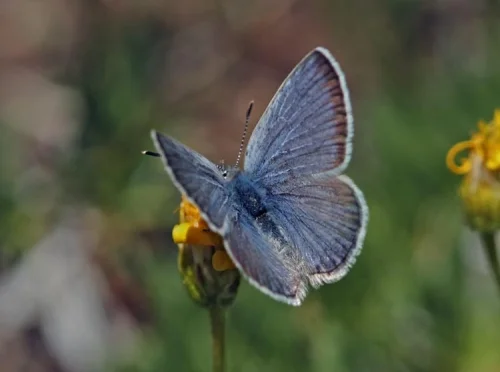
Next, I’d like to draw your attention to two interesting websites, both geared towards California gardeners and landscapers, but offer valuable information for those in other states, too. One is Calscape, which is a division of the California Native Plant Society. Calscape is a great resource for deciding which native plants belong where in your garden. For instance, you can search out ‘dry shade’ and get a list of plants for that kind of situation. Recently they have added a new tool with aims to provide gardeners lists of plants to meet the specific food needs of certain pollinators. So, for instance, if you want to help out particular butterflies, you find out what to plant to attract and feed them. Once you go to the site, you click on the ‘butterfly’ button at the top of the page. Then you enter your address and it will give you a list of butterflies and moths that are native to your address! When I did this, it came up with 212 species!!! Incredible. Then you can pick a species you are interested in and Calscape will give you the range for the butterfly, the confirmed food sources for them, and the likely food sources for them. These are plants that the butterfly can lay eggs on - food sources for the larvae (caterpillars). I entered Boisduval’s Blue (a butterfly I love) and found that they need lupines to raise babies. Good thing I plant a lot of those!

image credit: Ron Wolf, 2014 for Calscape

image credit: Ron Wolf, 2014 for Calscape

This could be a great tool for those of us who love wildlife and want to plant to attract and support them. Pretty much everyone can get behind butterflies, so I imagine this will be helpful for a lot of gardeners in California.

Another site that I am finding helpful is the one belonging to the Pacific Horticulture Society, of which I am a also a member. They have a new series of ‘digital classroom’ videos which are extremely helpful. I particularly enjoyed the one titled “Gardeners as Superheroes” which was really about soil. It’s extremely thorough, 90 minutes of good, entertaining explanation about how the water cycle works and how to improve your soil. It really is about watershed gardening, which I’ve talked about before, but it’s always good to get a reminder of what that means. The other videos are interesting, too, and there will be more in the future. While you’re there, check out their ‘recent stories’ to learn more about the way trees talk to each other, look at their travel opportunities, and upcoming events all over California. There’s some great information here. They also have an extremely beautiful publication that I really enjoy receiving.

image credit: Pacific Horticulture Society

image credit: Pacific Horticulture Society

One last thing: I usually start seeds for the winter garden now, the first weekend of August. I’m going to hold off a week or two, for two reasons: 1) It’s still extremely warm, and 2) the summer garden got going very late this year because of our cold and rainy May. If I start seeds now, I’ll want to plant them out the first week of October as I always do, and I’d rather give the summer garden a bit more time. It won’t hurt to wait a couple of weeks. However, it is certainly the time to start thinking about your winter garden. Sow all the brassicas in soil blocks or trays and let them hang out in a warm, sheltered, protected place for a couple months until they are ready to plant in the ground. I’ve planned for broccoli, cauliflower, cabbage, Brussels Sprouts, and kohlrabi. I will also direct sow all the greens - lettuces, kales, chards, spinach etc. Also leeks, carrots, peas, and beets will be direct sown in October. I may also sow a crop of winter potatoes, and of course garlic and shallots will need to be planted sometime in October. If you haven’t started to think about this, do so now. Planning ahead and keeping good records is key to a productive space.


Tags learning, tomatoes, vegetable garden, winter garden, pollinators, birds, wildlife
Comment

Urban Remedy

August 2, 2019 Elizabeth Boegel
IMG_2961.jpg

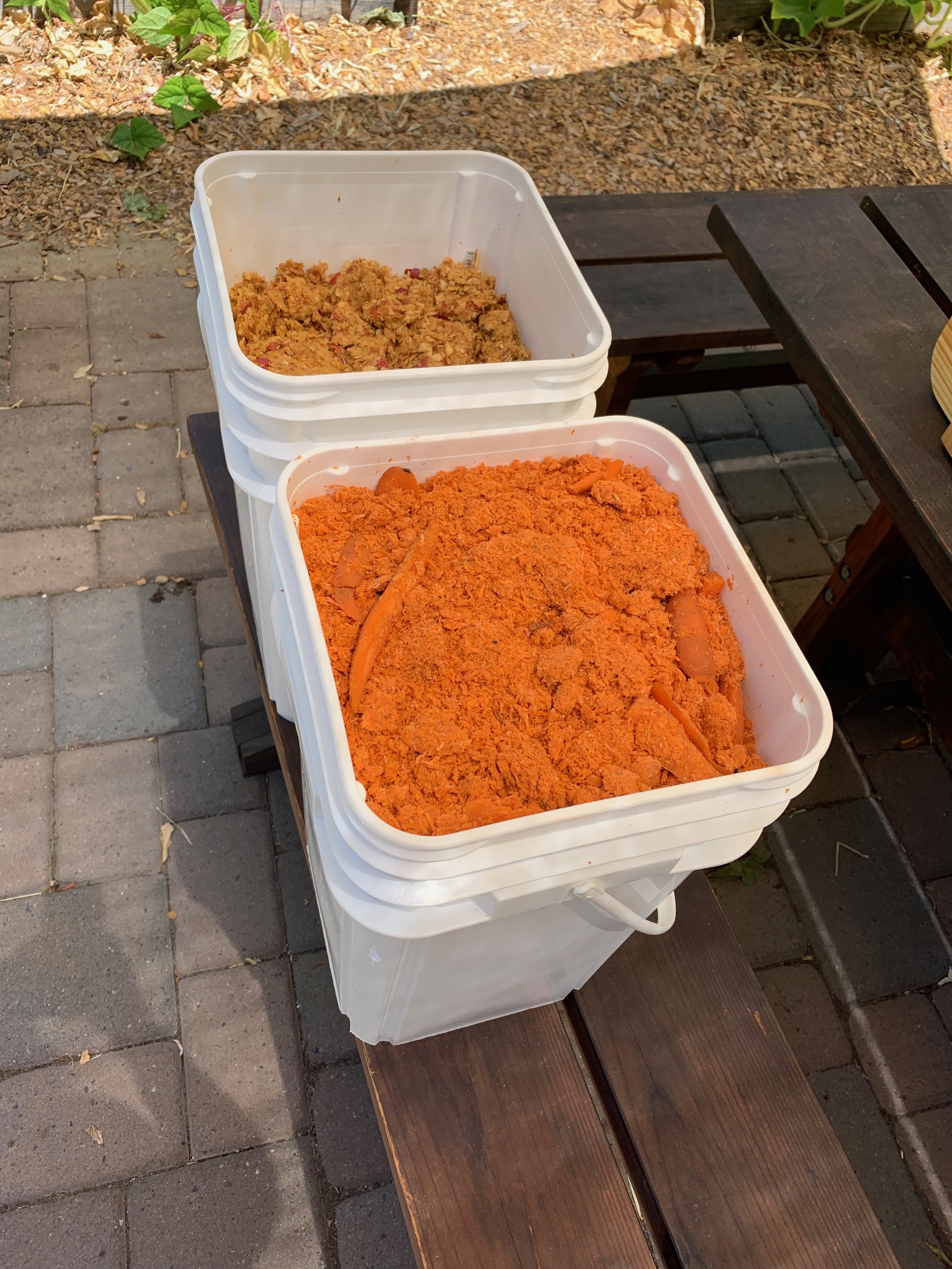
A few months ago, I signed up for a daily newsletter from Cropmobster, a sort of local exchange board for farming and gardening needs and ideas (or, as they say on their website, “CropMobster is a community resilience platform for sharing resources, trading food and supplies and building relationships for stronger local communities.” Each day I get a list of ‘offers’ or alerts in my area; anything from free chickens to farm equipment to soil classes. Many of them are too far away to take advantage of, but about a month ago I saw something that interested me and was close by in the Bay Area, in Richmond. Urban Remedy, a juice and food company, was offering free veg and fruit pulp to anyone willing to come pick it up. So I made plans to get some weekly, starting in August. Today I went and picked up my first couple of buckets and I couldn’t be more pleased.

IMG_2963.jpg

You may have seen Urban Remedy in your local Whole Foods. I believe I’ve bought one of their salads from time to time, as a matter of fact. Urban Remedy believes Food is Healing. They use only organic and non-GMO fruit and veg in their juices and meals. They support local farms and community gardens. They have tons of pulp, a by-product of their juicing, and they’d like it to be used by local groups. They’ve had livestock farmers come to pick a lot up, but they have more to give away. While I was there, Van Battle, one of the directors there, gave me a tour around their front yard raised bed garden and beehives, as well as some of their offices. They manufacture right on site, as well. He had the two buckets ready for me to pick up (it’ll be whatever they have handy, or you can choose a ‘green’ mix or a ‘red’ mix). I will bring the buckets home each week, dump the pulp, rinse out the buckets, and bring them back the next week. I’m already going to my local coffee roasters (Highwire) to pick up coffee chaff on Fridays, so I’ll just add Urban Remedy to my routine. I’ve already told Van to double my order next week! While I was there, Van treated me to two of their juices, since I had never tried them before. The Green Berry, which I inhaled on the way out, was delicious, and I’ll have the Deep Cleaning juice tomorrow morning!

IMG_2960.jpg

The reason I so readily set up these weekly pickups is the state of my compost. I’ve written before about how difficult it is to compost in the summer. It’s just so dry, and anything I put on the compost dries out so quickly that it can all rightfully be considered ‘browns’ rather than ‘greens.’ Tom set up a sprinkler over the pile, which helps, but I really need some fertility bombs to help get the compost moving during the summer. This should do the trick.

Since this pile is in the chicken run, they will likely also eat some of it, which is great. In fact, right after adding the apples, they were all up in it, nibbling.

IMG_2969.jpg

It might also be interesting to experiment with this material as a mulch. It is high in nutrients, and it might be too high at first; it’ll take some trial and error to decide if that’s the best approach. Meanwhile, I’m really hoping it helps activate my compost pile. Like I said, I’m going to get more next week, as these two five-gallon buckets didn’t go very far!

My only complaint is that the apple pulp still had those pesky white labels in it. They don’t peel those off before they juice the apples, which I’m sure saves them time, but those labels never do compost down and I end up picking them out which is a hassle. I’ll mention that to Van. If there are pig farmers getting huge amounts of this pulp, I’m sure they will also tell them.

If you are interested in getting some of this free pulp, I’d be happy to give you Van’s email - he will be more than willing to explain the company and the philosophy and give you as much pulp as you would like! Write to me (go to the Contact tab to do that) and I’ll send you the info.

Tags compost, resources, chickens, community
Comment

July Cooking: Fruit Desserts, Canning, and Pickling

July 31, 2019 Elizabeth Boegel
Blueberry, Huckleberry, and Blackberry Cake

Blueberry, Huckleberry, and Blackberry Cake

Harvest is fully upon us this month. Most of our cooking consists of picking whatever veg is ripe and making a salad, or roasting it as a side dish to a simply prepared meat. More accurately, the meat is the side dish, and the veg takes center stage. Warm tortillas stuffed with roasted peppers and onions, and topped with a few slices of marinated grilled skirt steak; lashed with guacamole or sour cream or homemade salsa. Warm pita slathered with homemade cucumber tzatziki, piled high with cherry tomatoes and extra cucumbers, garnished with some grilled chicken. Drumsticks glazed with soy sauce and honey, with a side of cucumber/tomato salad dressed with rice vinegar and Mirin. Thickly sliced tomatoes with a hunk of fresh mozzarella and a sprinkling of basil, drizzled with balsamic vinegar, with herby focaccia. You get the idea. No recipes necessary.

I get the weeklyish newsletter from Essex Farm, which is a full-diet CSA in upstate NY (oh yes, I would join if I lived nearer, I truly love this idea). In the latest newsletter, I was struck by this sentence: “If you have abundant herbs, good butter, salt and fresh vegetables, what more do you really need in the kitchen? That’s the beauty of summer food. It’s nearly impossible to be a bad cook this time of year. If you are spending any time wondering what to make these days, my advice is think less, do less, see how naked you can get food to the table, and how delicious it is anyway.” Amen and amen.

Meanwhile, it is my absolute pleasure to pick from the groaning berry bushes and make delicious desserts. I like them all in all their forms - Buckles, Cobblers, Slumps. My most recent edition of Cook’s Illustrated has a little glossary of fruit desserts, which has really helped me understand what’s what:

Sonker: Syrupy cooked fruit baked under a pancake batter.

Pandowdy: Pie dough or bread that is pressed into fruit as it bakes.

Slump/Grunt: Fruit cooked beneath dollops of soft dumpling dough that ‘slump’ under heat.

Crisp: Fruit baked under a crunchy, streusel-like topping, which often contains oats.

Crumble: An oat-free streusel baked over fruit.

Cobbler: Biscuit dough dolloped over fruit to resemble cobblestones.

Buckle: Thick cake batter poured over fruit, usually with streusel.

Brown Betty: Sweetened fruit baked with layers of bread crumbs and butter.

Cake: Cake batter topped with unsweetened fruit.

Clafoutis: A tart made with fruit baked in a sweet eggy batter.

Let us not forget the British ‘Summer Pudding,’ made from fruit, sugar, and stale white bread all pressed together using a weight. The juice of the fruit saturates the bread and makes it a sort of molded shape. This is absolutely NOT my favorite thing, but it is certainly a clever way to use up stale bread.

The cake in the above photo was made using my favorite strawberry cake recipe from Martha Stewart; it’s simple and highly adaptable to any fruit. Once you start making these different fruit desserts, you will hit on recipes that you can adapt to whatever you have on hand. You can make a streusel out of almost anything and it will taste good. If it’s oat or granola based, that could even be breakfast rather than dessert. Nothing tastes as good on a cold late-autumn morning than an apple crisp. You could even cook the apples the night before, pop them in the fridge, top them with a quick streusel in the morning and bake. Serve with yogurt!

My other kitchen projects consist of preserving everything I am able, for winter. Hanging herbs on the drying racks. Extra berries in the freezer. Blanched green beans in the freezer. Simple tomato/basil/garlic sauce in jars in the freezer for winter shakshuka. This weekend we will make and can our first batches of crushed tomatoes and garlic dill pickles. I will also make our first batch of freezer pesto. Tom’s already made both sweet and dill relish, as well as jam. From now through October, this will be our focus. I’ll make and can salsa, make and can tomato paste, dry and smoke herbs, hot peppers, and spices. I’ll roast and freeze sweet peppers. And we’ll continue to eat everything fresh, as much as we can, as often as we can.

What are you harvesting, eating, and preserving from your garden?


Tags seasonal recipes, vegetable garden, fruit garden, cooking
Comment

East Coast Travel

July 29, 2019 Elizabeth Boegel

We’ve been gone for the past two weeks, traveling on the East Coast. We rented a car and had ourselves a good long road trip (around 2000 miles!), visiting several states - NY, PA, MA, NH, CT - and also a bit of Canada! It is good to be home, though a little difficult to face the garden at the moment; there is so much to tackle and so much to preserve.

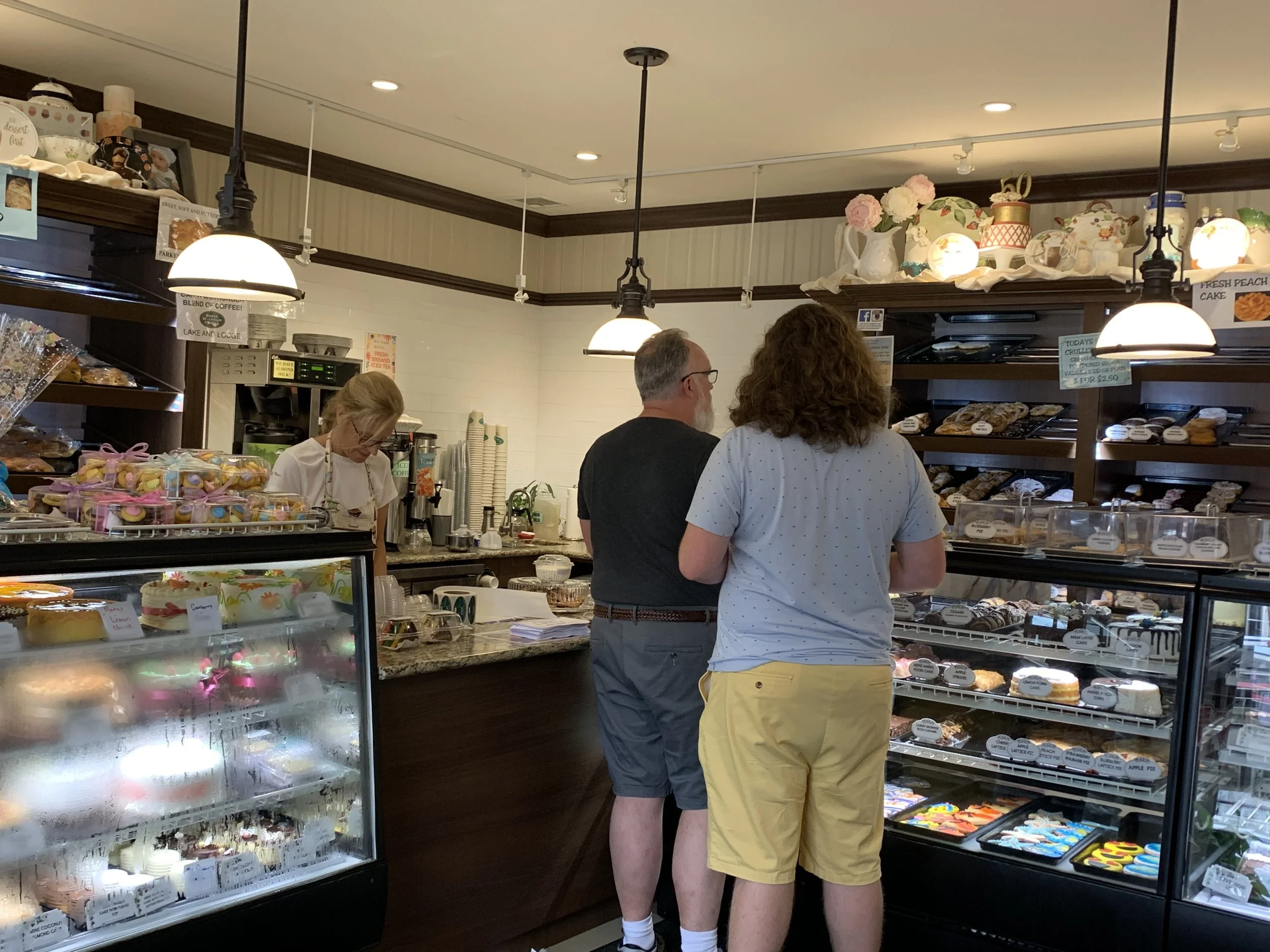
We started out in NYC, natch - the kids had never been there, and we spent a very brief time giving them the barest overview of this wonderful city. Unfortunately we were there during a serious heat wave. The temps were in the high 90’s, which by itself would be ok, but the humidity was simply awful, and it made traveling around the city (walking, subways) very difficult. I think the kids enjoyed it despite the heat, but I was having a hard time. I have very few pictures of our time there which tells you I was simply not as engaged as I would have liked to have been. However, we stayed in a tiny apartment on the Upper West Side, which was really ideally located - only a block to Central Park, two blocks to the train - and near to several wonderful restaurants. The very first night we were there we walked up Columbus Ave to Milk Bar, an outpost of Christina Tosi’s dessert stores (she started at Momofuko back in the 2000’s). We enjoyed both cereal milk ice cream and crack pie, two of the desserts she is most famous for. Delicious! We spent the next day walking and ‘subwaying,’ heading downtown to Chelsea Market for breakfast, then up to the High Line which was just so innovative and beautiful. If you’ve not heard of it, it’s an old rail line that has been converted to a garden, my kind of place! Then across town and up to the Met Museum, which is where we spent the entire afternoon (and could have spent days, of course). That evening we took in a Broadway show and had the best ramen of our lives at a little spot called Ippudo.

IMG_2696.jpg

The next day, we drove to Long Island, so the kids could see the house and neighborhood where Tom grew up. His family lived in Rockville Centre, in a beautiful house. We visited the St Agnes Cathedral, where they attended church, the Front St Bakery, which had wonderful treats, and Jones Beach, about 30 minutes from their house. We drove through Queens and found the house where Tom’s mom had lived, Brooklyn where she was born, and Levittown where Tom’s parents had lived when they were first married. We had delicious pizza for lunch at a local spot. We drove back into the city and took a boat tour down the East River to the Statue of Liberty and around the site of the Twin Towers, then back up the river and under the Brooklyn Bridge. Dinner at the thriving seaport concluded this fun day.

IMG_2699.jpg
IMG_2702.jpg
IMG_2704.jpg
IMG_2707.jpg

It was time to leave the city and drive across Pennsylvania, eventually to Pittsburgh to visit Carnegie Mellon. On the way, we stopped at the Rodale Institute, the innovator of organic agriculture research and study (they are now concentrating more on regenerative organic agriculture). Luckily, we happened to be there on their annual Field Day, with tractor rides and open houses (barns) and all kinds of vendors. We were able to take a tractor tour of the property and I was really in awe of their beautiful experimental gardens. There were many conventional farmers on the tour and I enjoyed listening to them talk about the pros/cons of regenerative agriculture. I heard them talk a lot about reduced costs due to cover cropping, and reduced erosion in this summer of midwestern flooding. I spoke with one of Rodale’s guides and he said that the farmers come to learn, but also to challenge their findings, because they truly believe conventional is best. But they are slowly coming around.

We really loved Pittsburgh. It reminded us a little of San Francisco, with its hilly winding streets and happening neighborhoods, good coffee and good food and lots of culture. We enjoyed learning a little ‘Pittsburghese’ (the local dialect) and visiting the Heinz History Museum to commemorate the 50th anniversary of the moon landing. (We also enjoyed their Mister Rogers exhibit.) Carnegie Mellon, the university, is very impressive and we all thought it might be a good choice for Adam. We were on the tail end of the heat wave, which made being outdoors difficult, and so it was lovely to be in a beautiful Craftsman home in the Shady Side neighborhood of the city. (When we weren’t with family or friends, we stayed exclusively in Airbnbs and we had great ones.)

IMG_2724.jpg
IMG_2730.jpg
IMG_2751.jpg

From western PA we drove north to the border, stopping for lunch by Lake Erie, and crossed into Ontario. Our house was about a mile and a half away from Niagara Falls, so we were able to walk down to see them rather than trying to find $40 parking. It was hot and crowded, but the falls were spectacular nonetheless. We were interested to learn that Tesla and Westinghouse had designed the upstream hydroelectric plant in 1895, the first of its kind. We drove about 30 minutes north to have dinner in the little town of Niagara-on-the-Lake, a wine tourist destination and a much cuter town. Here we saw fireflies for the first time on our trip, hooray! We ended the night by watching the sun set over Lake Ontario, wishing we had time to explore nearby Toronto.

IMG_2760.jpg
IMG_2765.jpg

Then we headed back through the border into Western NY, to spend the night with Tom’s sister Emily and her family in Syracuse. Western NY is beautiful, and we decided to drive along the Finger Lakes, stopping for good coffee in a hipster warehouse in Batavia, and a delicious lunch in Geneva on Seneca Lake. We couldn’t resist stopping at a farmstand for corn and blueberries. Emily and Jim rolled out the red carpet for us and we spent a delightful supper (with a salad that I am still dreaming about) with our nieces and nephews and grand-nieces and nephews as well! Our niece Meghan makes jewelry and I had asked her to bring a selection; I picked out some simple earrings and a beautiful necklace for Kate (she has an Etsy shop if you’d like to see more). In the morning we watched bunnies on the lawn (I know they are a garden pest, but we enjoy seeing them since we don’t often), birds in the feeders, and walked around Emily’s pretty flower and herb beds. Jim identified some of the roadside trees I had been noticing (Sumac, and Butternut, a white walnut) which gave me great satisfaction.

IMG_2793.jpg

We drove on to Troy, which is near Albany, to see Tom’s alma mater, Rensselaer Polytechnic Institute (another impressive program, mostly engineering), and stayed the night near there. From Troy we took the road up into Vermont, passing through Bennington (which we loved) and over the Green Mountains (taking a picture from the top), then through Brattleboro and on into New Hampshire. We stopped at a farm called Stonewall, in Keene, to eat a picnic lunch and look at the new calves, goats, sheep, and gardens. We bought tomatoes and maple syrup from the farm, too. They had a creek running through their property (the entire farm is open to the public every day) and lots of kids were playing in it, which made us feel happy.

From there we drove to Derry, NH, to visit Tom’s college friend Terrance, and his wife Trina and son Tad. They have an extensive property with a barn (!) and we had a good time exploring it. They had just completed a magnificent master ‘wing’ that they gave to us for the night, which was quite a treat! We visited a local ice cream place supplied by a local dairy, and walked around Robert Frost’s old farm, which had signs with his poetry all over, very contemplative. We so enjoyed visiting with them and getting to know Tad, who is a precocious almost-first grader.

IMG_2802.jpg

From Derry, we drove down into SW Massachusetts, near the Berkshires. My friends Chrissy and Luke, and their two-year old daughter Naia, moved last year to Easthampton. We loved driving through Amherst, and Southampton, both really cute little towns with a very Berkeley vibe. Lots of colleges there (including Smith) insure a younger culture. The family lives in a beautiful little house with a garden that was clearly loved by the previous owners, and Chrissy has fully embraced it too - the house is decorated so lovingly and carefully and simply, and her garden is thriving with veg. We had the best lunch of our trip there, with a salad Chrissy made from her garden, and lots of local specialties including pate and pastries from a local bakery. We loved spending a few hours with them and playing with Naia and the dogs. We were very taken with this area of the world and can see ourselves living there in the future. Of course, we’d have to embrace winter.

IMG_2813.jpg
IMG_2822.jpg

From there, it was a quick-ish jaunt down to Connecticut, to the town of Norwich, where Tom had been stationed in the Navy 27 years ago. We stayed in a spectacular house in Groton, which is just where the Thames River meets the Long Island Sound. We spent a good deal of time sitting on the porch, watching boats go by. We saw two submarines heading out to sea, which was incredible and very poignant for Tom! We went swimming a block away at the beach which had clear, 65 degree water and very gorgeous sand. We went to nearby New London for a dinner of lobster rolls and fried clams, which brought back a very clear memory of childhoods in New England, camping with my folks. It was very hard to leave the town of Groton. We loved it there and could have stayed a week. We’ll definitely go back.

IMG_2829.jpg
IMG_2841.jpg
IMG_2837.jpg
IMG_2821.jpg

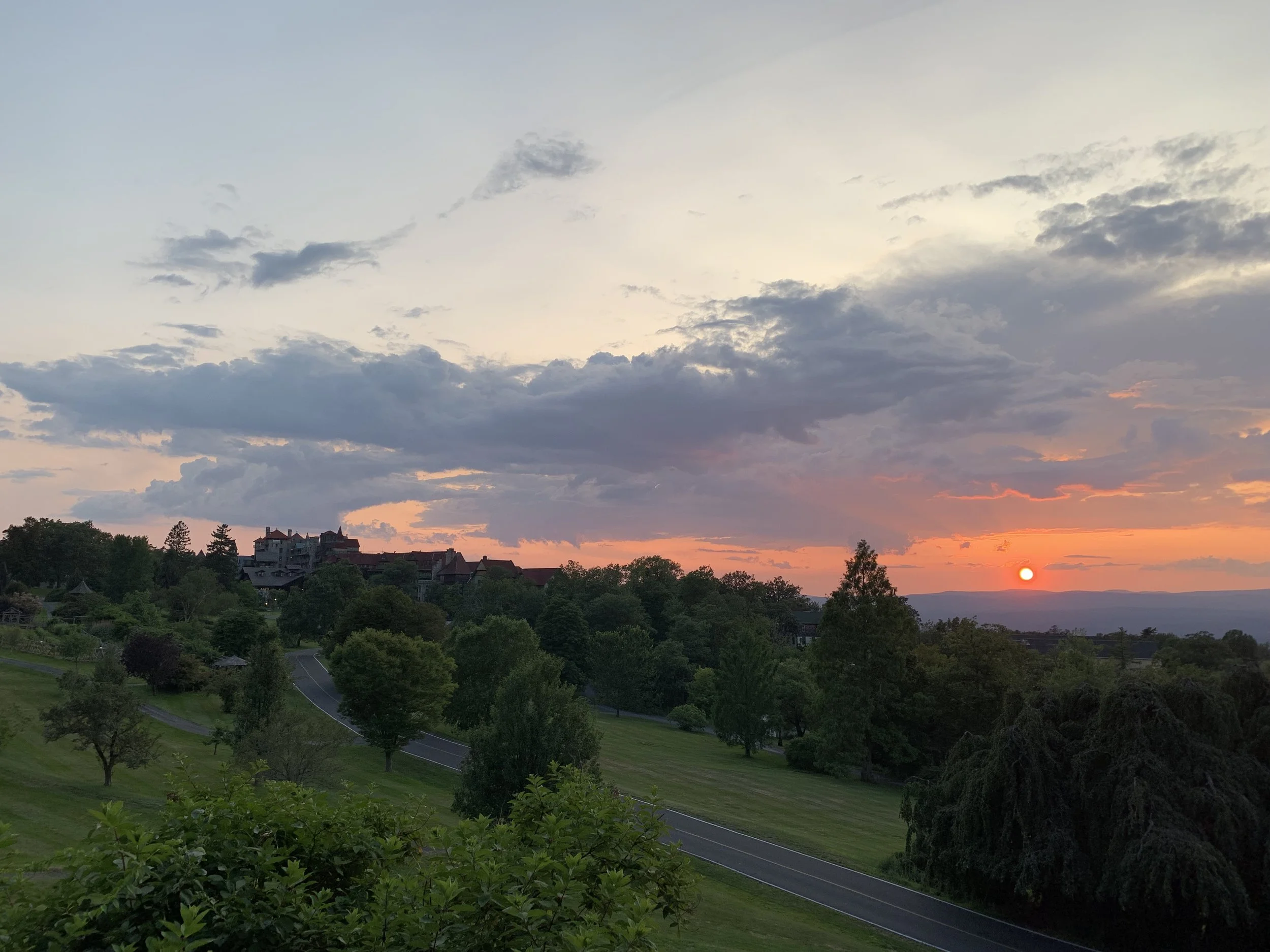
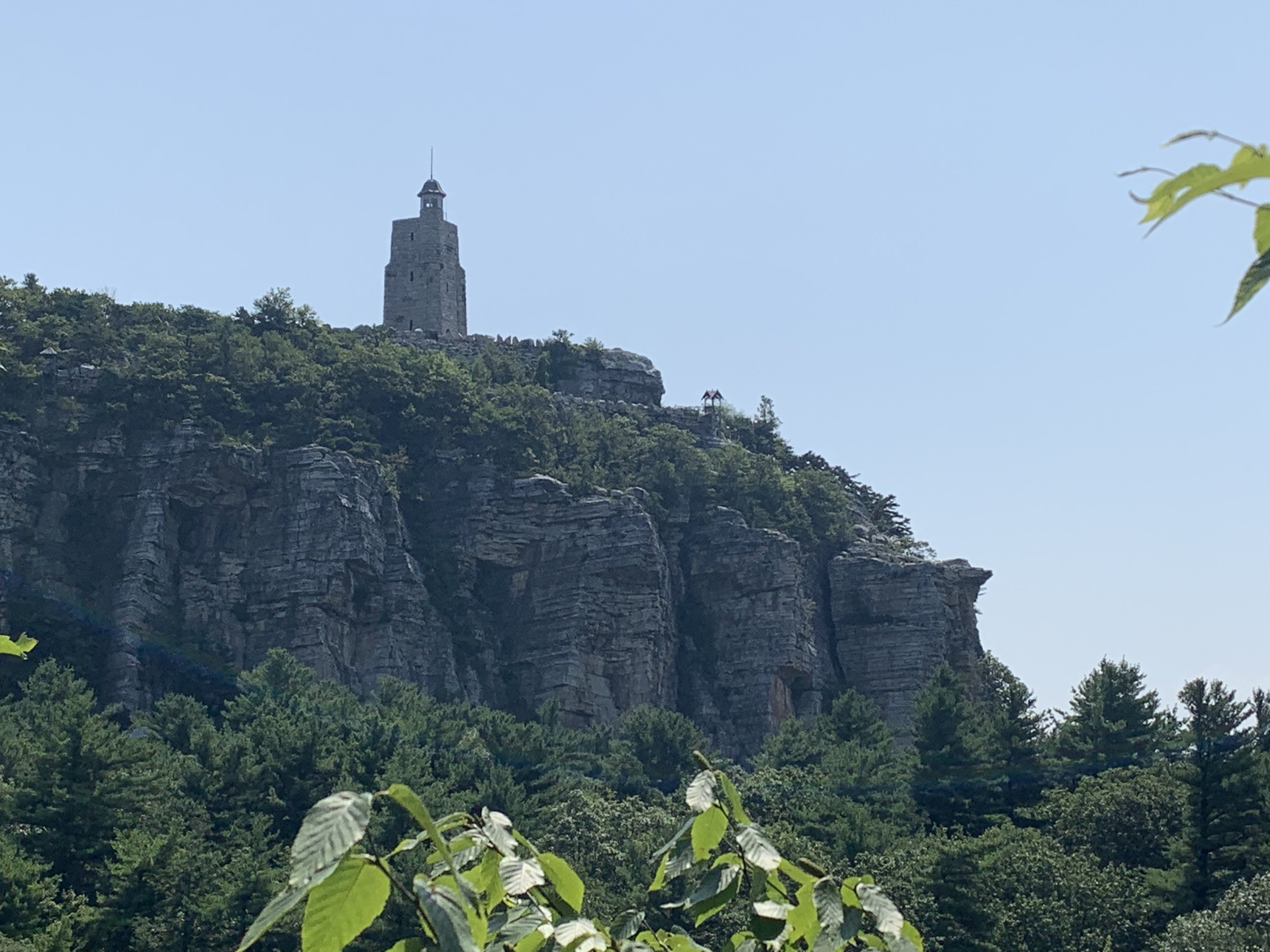
The only thing that pulled us away from the beach was the knowledge that we had the best part of our trip coming up, a Boegel family reunion at the Mohonk Mountain House in New Paltz, NY (in the Hudson River valley). Mohonk is an old-fashioned resort (and I use that word very deliberately, because they pride themselves on that). They were having their 150th anniversary, and it is an amazing place. Tom’s parents used to go to Mohonk for romantic weekends, and their kids (Tom is the youngest of five) decided it was the perfect place for us to gather and remember Mom and pay tribute to her life. The resort itself is up in the mountains in the Minnewaska State Park Preserve, a beautiful area, full of interesting rocks which climbers love (The Trappes/Gunks). There is a huge lake at Mohonk which was formed by both earthquakes and glaciers and fed by precipitation only. You can see that this interesting topography allows for a lot of outdoor activities. Adam did several rock scrambles, Tom and I took a fascinating geology hike with the in-house naturalist, and we all boated and swam in the lake. There were three fabulous meals each day (with “Chef Action Stations!”) along with tea and cookies each afternoon. One night we participated in their ‘Barnival’ which was a carnival in their old barn, complete with entertainment and local beer. We had a lovely ‘service’ for Mom Boegel in their extensive gardens (and oh, the trees, beautiful copper and tricolor beeches, towering oaks and maples, basswoods and horse chestnuts) and released some Painted Lady butterflies in her honor. We saw all kinds of interesting bee-like creatures, rabbits and deer; enjoyed the horses and the stables, and loved talking with the family members and getting to know their kids (our grandnieces and nephews). We were very reluctant to leave Sunday morning, especially because we had a full day of travel to get home, but home we came.

IMG_2858.jpg
IMG_2875.jpg
IMG_2886.jpg
IMG_2896.jpg
IMG_2900.jpg
image credit: Jake Burns

image credit: Jake Burns

image credit: Jake Burns

image credit: Jake Burns

We had such a wonderful trip.

A few other impressions:

  • The water, oh the water. I took two very deep baths and countless pounding showers. Rivers and lakes and creeks and streams. We Californians forget what it’s like to have endless water.

  • Electric cars are becoming ubiquitous in CA. On the East Coast, we saw five electric cars. All were Teslas. Gas was cheap everywhere we went, compared to over $4/gal here. Perhaps the incentive to go electric is simply not there. Also - very little infrastructure for electric.

  • Good coffee was hard to find. Many places use sub-par, un-fresh beans. We don’t consider Starbucks good coffee, but that was widely available. In Canada our only choice was Tim Horton’s which was undrinkable. Dunkin’ Donuts are everywhere; we can’t understand why. Our best coffee was the cups we made ourselves with Peet’s when we could find it. We sought out local roasters - they were few and far between - when we found them we gratefully supported them.

  • Good, cultural, ethnic food is now pretty much everywhere and a lot easier to find than it used to be. Still, we tried to have local specialties as much as possible. As ever, Adam is our leader in that, always finding the interesting local tidbit to eat.

  • I’ve now seen Book of Mormon twice, and this time, while still really fun, it struck me as very racist. Anyone else feel that way? I mean, I know the South Park guys make fun of everything, but still….

  • Plastic water bottle usage is going strong everywhere, unfortunately. Composting in other cities seems non-existent.

  • I love regional accents.

  • We are very happy to be in the ‘our kids are teenagers’ stage of life. It’s easy to forget how much work little ones are.

  • Folks in hot and humid summer climates are hermetically sealed into their houses. It didn’t seem to matter how nice the early morning or evening was, the house stayed closed. I know there are reasons for this; as Terrence said, “We’ve worked hard to keep the humidity out of the house and we want to keep it that way.” We realized that we wouldn’t want to live in a place where we need to do that. We love being able to open the doors and windows for at least part of each day, and we live a lot of our day in the outdoors. There’s something to be said for the moderating influence of the sea.

  • It’s nice to be home, where we could pick berries for breakfast, tomatoes for dinner, and have two neighbors stop by to give us pears and blackberries. I got started on tomato harvesting but have yet to pick all the blue/black/huckleberries, or the beans, or the cucumbers. I am noticing blight on our tomatoes for the first time ever (our chilly wet May?). It isn’t as good a year as I wanted it to be. Our cucumbers are suspiciously yellow and need some attention. I will pick our first delicata squash tomorrow for dinner - it is at least three times bigger than it’s supposed to be. For dessert tonight I had the first ripe apple.

  • Hard to believe school starts in two weeks.

Tags travel
4 Comments
← Newer Posts Older Posts →

Subscribe

Sign up to get email when new blog entries are made.

We respect your privacy. We're only going to use this for blog updates.

Thank you! Please check your email for a confirmation notice to complete the subscription process.

Powered by Squarespace