Well, let's get the crappy stuff out of the way first, shall we? Last night about 1:30 a.m., I heard the unmistakable sound of leaves crunching under the feet of deer, outside our window. This is a sound I used to hear nightly, so I knew immediately that the deer had somehow breached our fence. I got up and drew back the curtain, and though I couldn't see anything in the dark, heard a tremendous clattering and then silence. There was nothing for it but to go back to bed.
This morning, sure enough, evidence of deer everywhere: The cucumbers, cantaloupe, pumpkins, and a recently planted hibiscus in a container, all snipped. Over in the North Garden, trampled tomato vines and half-eaten green tomatoes.
The damage is not terrible, it could have been far worse. But here's the thing: There's no obvious broken bits of the fence, no obvious source of entry, and the gates were shut. Therefore we can assume that this deer somehow jumped seven feet in the air to clear our fence. And now that she's done that, and sampled the goods, she'll be back. And possibly not alone.
I cannot adequately describe how defeated this makes me feel.
On top of that, we had some hive-fixing to do today, which depressed us. Last Thursday, Tom and I attended the monthly meeting of our local beekeeping club, the Mt. Diablo Beekeeping Association. We went to hear the speaker, Rob Keller, of Napa Valley Bee Company. It was an inspiring talk about the biodynamic side of beekeeping, with which, of course, we agree. Rob was adamant in his opinion about the management of varroa mite, which is to do nothing. If the bees die, they die. The colonies that genetically can fight of the mite should survive and thrive and be allowed to go through this process with no help from us. I had pretty much made up my mind not to treat with any kind of chemicals, even though it is heartbreaking to lose a hive, especially one that is doing well otherwise. But the bees have to evolve on their own.
While at the meeting, we talked with another top bar beekeeper about our recent bee problems. I think I mentioned here once or twice before that the bees are building the comb just a hair sideways, instead of the comb being plumb with the bar. Why does that matter? Well, every time we try to lift up a bar to inspect it, the comb tears and falls off, undoing hours and hours of the bee's work. This is disheartening. So we've sort of stayed hands-off with the bees, adding bars if it looks like they need more room, but mostly not messing with them. This isn't good either because, while it's fine to just let the bees do their own thing, if something goes wrong in the hive, we'll never see it in time and have an opportunity to correct it. Beekeepers need to be aware of what's going on in their hives.
Here's what the master keeper told us: Bees build comb according to gravity. If the hive isn't level, the bees won't build in a level way. Remember when I moved the hive to put the entrance on the opposite side? I didn't level the hive when I did that, which was an idiot move. Because I didn't take the time to do it, the hive has been messed up for months. The bees aren't being stupid, or difficult - it's all completely my fault. Ugh.
Our mentor continued on to say that we needed to level the hive and cut off any herky comb, no matter how difficult it feels to do that.
So, today, we took care of business. We leveled the hive. It was so janky, I don't even want to confess it. I guess I have a good enough eye for hanging pictures straight without leveling, but clearly the same eye doesn't apply to bee hives. Once the hive was leveled, we opened it up and inspected it.
First, the good news: The bees have built on every bar, and there is an incredible amount of brood and nectar and pollen. On Thursday night, keepers were talking about how much they've had to feed their bees this summer, because of the drought. But our bees clearly have plenty to eat, thanks to our vigilance in the pollinator garden and our vegetables and fruit, as well as the cactus garden down the street and the blooming Chinese Tallow trees next door. Also, the fresh new combs were plumb with the bars and looked amazing.

The bad news: We had to remove two full bars of brood and honey, as they were built sideways instead of plumb.
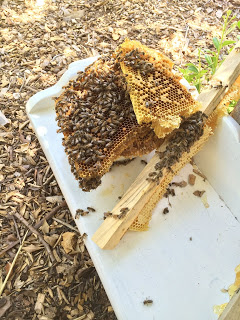
This feels terrible, and there is no way to sugar coat it - we killed a lot of baby bees today. The only sweet side to this, and it's bittersweet, is that we can save some of the honey we removed, and we'll maybe get a cupful.
We replaced the bars with fresh ones, and added more bars, and closed up the hive, feeling sober but better about the whole thing, moving forward. I won't be making the leveling mistake again. As Anne Shirley says, "One good thing about me is that I never make the same mistake twice." Gaining experience is sometimes painful.
On to happier subjects.
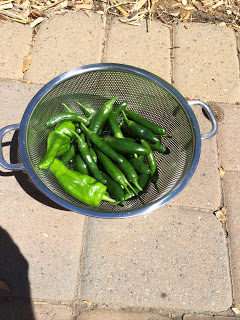
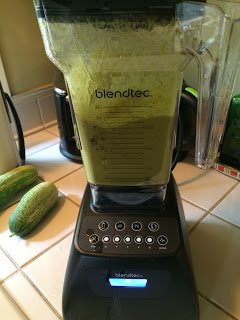
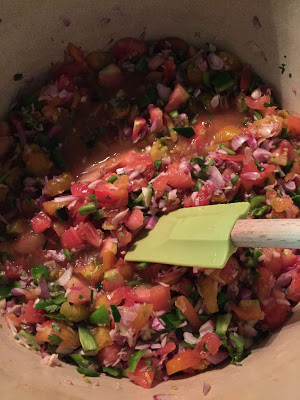
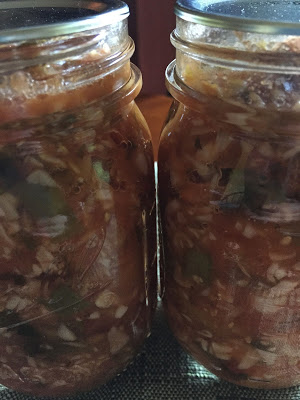
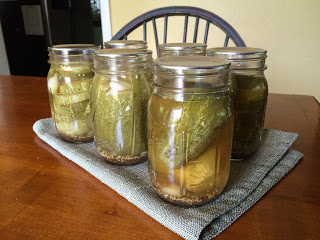
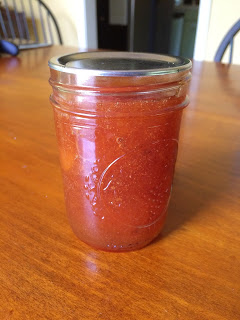
Tom spent a good portion of his time off this week cooking and canning. He's already written about his hot sauce adventures, but he also made pickles from the first of our cucumbers, and both peach and strawberry jam.
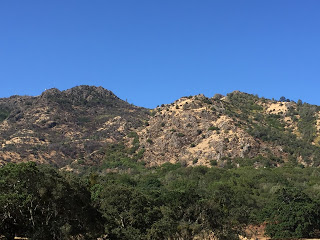
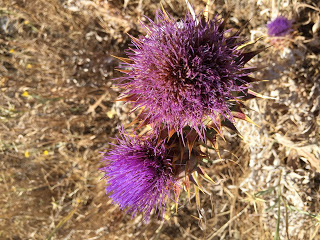
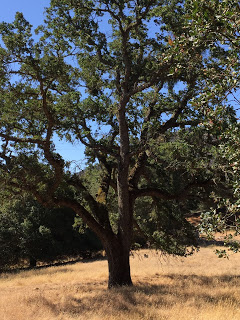
We had a lovely hike on the back side of Mt. Diablo this morning as a sort of 'last-hurrah' before the kids return from camp, and it's back to work for Tom. I'm heading up the nature unit at Girl Scout camp this coming week, which is always rewarding but exhausting. So it was nice to have this week of projects and adventures, just the two of us.
This morning, sure enough, evidence of deer everywhere: The cucumbers, cantaloupe, pumpkins, and a recently planted hibiscus in a container, all snipped. Over in the North Garden, trampled tomato vines and half-eaten green tomatoes.
The damage is not terrible, it could have been far worse. But here's the thing: There's no obvious broken bits of the fence, no obvious source of entry, and the gates were shut. Therefore we can assume that this deer somehow jumped seven feet in the air to clear our fence. And now that she's done that, and sampled the goods, she'll be back. And possibly not alone.
I cannot adequately describe how defeated this makes me feel.
On top of that, we had some hive-fixing to do today, which depressed us. Last Thursday, Tom and I attended the monthly meeting of our local beekeeping club, the Mt. Diablo Beekeeping Association. We went to hear the speaker, Rob Keller, of Napa Valley Bee Company. It was an inspiring talk about the biodynamic side of beekeeping, with which, of course, we agree. Rob was adamant in his opinion about the management of varroa mite, which is to do nothing. If the bees die, they die. The colonies that genetically can fight of the mite should survive and thrive and be allowed to go through this process with no help from us. I had pretty much made up my mind not to treat with any kind of chemicals, even though it is heartbreaking to lose a hive, especially one that is doing well otherwise. But the bees have to evolve on their own.
While at the meeting, we talked with another top bar beekeeper about our recent bee problems. I think I mentioned here once or twice before that the bees are building the comb just a hair sideways, instead of the comb being plumb with the bar. Why does that matter? Well, every time we try to lift up a bar to inspect it, the comb tears and falls off, undoing hours and hours of the bee's work. This is disheartening. So we've sort of stayed hands-off with the bees, adding bars if it looks like they need more room, but mostly not messing with them. This isn't good either because, while it's fine to just let the bees do their own thing, if something goes wrong in the hive, we'll never see it in time and have an opportunity to correct it. Beekeepers need to be aware of what's going on in their hives.
Here's what the master keeper told us: Bees build comb according to gravity. If the hive isn't level, the bees won't build in a level way. Remember when I moved the hive to put the entrance on the opposite side? I didn't level the hive when I did that, which was an idiot move. Because I didn't take the time to do it, the hive has been messed up for months. The bees aren't being stupid, or difficult - it's all completely my fault. Ugh.
Our mentor continued on to say that we needed to level the hive and cut off any herky comb, no matter how difficult it feels to do that.
So, today, we took care of business. We leveled the hive. It was so janky, I don't even want to confess it. I guess I have a good enough eye for hanging pictures straight without leveling, but clearly the same eye doesn't apply to bee hives. Once the hive was leveled, we opened it up and inspected it.
First, the good news: The bees have built on every bar, and there is an incredible amount of brood and nectar and pollen. On Thursday night, keepers were talking about how much they've had to feed their bees this summer, because of the drought. But our bees clearly have plenty to eat, thanks to our vigilance in the pollinator garden and our vegetables and fruit, as well as the cactus garden down the street and the blooming Chinese Tallow trees next door. Also, the fresh new combs were plumb with the bars and looked amazing.
The bad news: We had to remove two full bars of brood and honey, as they were built sideways instead of plumb.
This feels terrible, and there is no way to sugar coat it - we killed a lot of baby bees today. The only sweet side to this, and it's bittersweet, is that we can save some of the honey we removed, and we'll maybe get a cupful.
We replaced the bars with fresh ones, and added more bars, and closed up the hive, feeling sober but better about the whole thing, moving forward. I won't be making the leveling mistake again. As Anne Shirley says, "One good thing about me is that I never make the same mistake twice." Gaining experience is sometimes painful.
On to happier subjects.
Tom spent a good portion of his time off this week cooking and canning. He's already written about his hot sauce adventures, but he also made pickles from the first of our cucumbers, and both peach and strawberry jam.
We had a lovely hike on the back side of Mt. Diablo this morning as a sort of 'last-hurrah' before the kids return from camp, and it's back to work for Tom. I'm heading up the nature unit at Girl Scout camp this coming week, which is always rewarding but exhausting. So it was nice to have this week of projects and adventures, just the two of us.