Front Yard Re-do

Last April, we sheet-mulched the 'grass' in our front yard (it was a mixture of grass and a lot of weedy things that looked a bit like grass). Our front yard is dominated by a huge Brazilian pepper tree and is dappled shade. In the winter, the front yard is often soggy, as it is on a very slight downhill from the rest of our property. I really liked the idea of making a seasonal creek bed; in my fantasy, the creek would fill up in the winter, and go dry in the summer, just like the creeks in the open space. But in reality, I wasn't sure how to do this. Liner? No liner? Rocks? No rocks? And how do we keep the raccoons from washing food in it? And would it get super weedy? and honestly, how would it even fit, given the long, thin dimensions of our front yard?

So, creek bed out. Next fantasy, a woodland garden. This one seemed much more doable. Since it's been six months since we did the sheet- mulch, I figured everything would be decomposed; hopefully, rain will be coming soon; therefore, the timing is good for planting. Plus, I was tired of looking at a front yard of bark.

I started researching native plants that do well in part shade. Yes, our front yard is dappled shade, but there are times in the day when the sun is so low that it gets direct sun, and also, it's often quite hot. So from time and experience in my yard, if I go to a nursery in, say, Alameda, and they have something marked as 'full sun', it will not do well in my Walnut Creek valley full sun. It will do well in my part shade. So I chose plants for part shade rather than full shade. (Our 'zone' is tricky; not only do we regularly get temps over 100 in the summer, often for weeks at a time, in the winter, we get quite frosty nights and mornings. Last winter, we had a full month of hard frost every night.)

I love the website for Las Pilitas Nursery, I have learned so much from exploring it! I did a search there for California natives that like part shade, and got a lot of info. However, they are based in Southern CA, so some of those plants aren't available nor wise for this area. As I was searching around, I came across a nursery in Richmond, CA, that I had never visited - The Watershed Nursery. Wow! What an excellent place! Not only are they experts in native plants, they know in which watershed they are local! I was smitten. I started looking at their plant lists and came up with a checklist of things I wanted to buy. I figured I would need about 50 plants, so it would be a serious trip. I contacted my good friend Barbara, who is always up for a plant adventure, and off we went yesterday to this wonderful place.

What a trip! I ended up buying about 60 plants, most native to my watershed. Someone greeted us right away and explained how things were organized - they categorize plants by habitat, which is so smart and different.
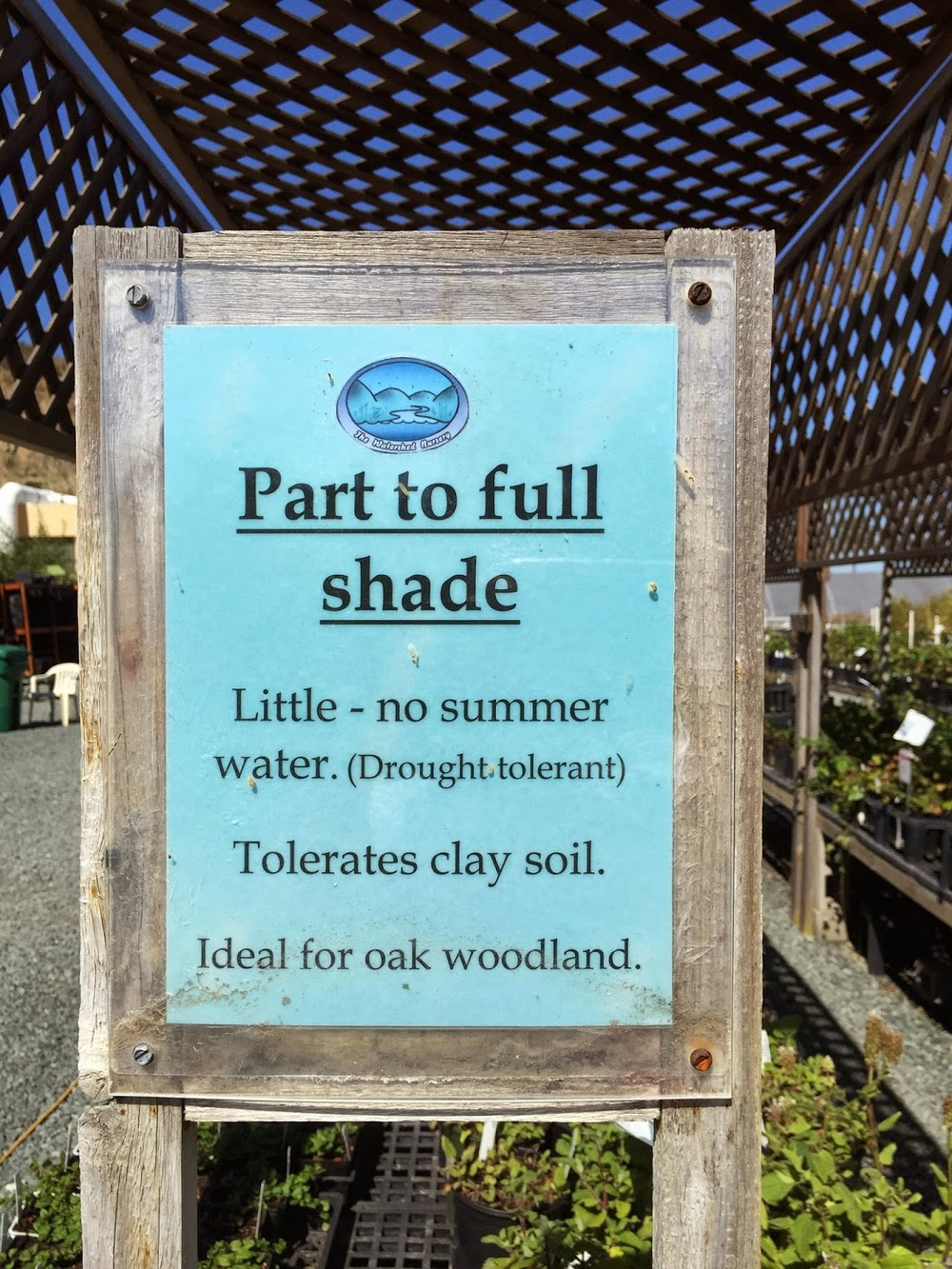


Browsing through the plants, each one was marked with the origin of the seed - that is, which county it came from, which watershed. Some were of an unknown origin. It was like a treasure hunt! The nursery itself is in an industrial area, and no frills - but we were helped quite a bit by the employees and enjoyed shopping in relative solitude. There were only a few other people there, which I hope was because of the season only, because this place was really neat and I want it to stay around. As we walked in, they had us step in some disinfectant so we wouldn't bring in any seeds or contaminants from our environment.


This morning, I started working on my front yard at 7 am. We are in the middle of a heat wave (it was 97 today) and I knew I needed to get going while it was still cool. Turns out, the project took me 12 hours. I was out there from 7 to 7, barring one quick trip to get more supplemental compost, and a couple quick breaks for cooking (I chose this day to volunteer to make dinner for Adam's Odyssey of the Mind team, what was I thinking?). I put the last plant in as it was getting dark, just after seven, and I couldn't even take a picture because the light was so bad. But here is one in progress:
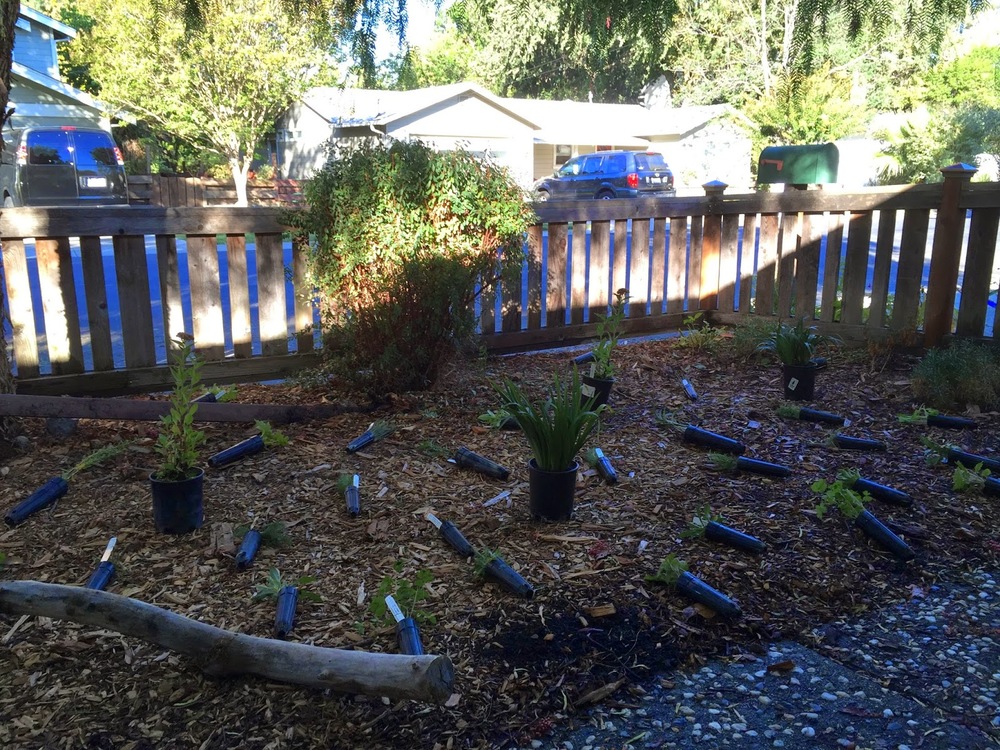

You can see all the plants laid out, ready for planting. Figuring out where I wanted to put everything took a good hour. There is another side of the garden, which you can't see very well, but you can see the path. I decided to leave the path project for another time, so for now, the mulch path is lined with logs from our tree trimming projects.


The plants in the foreground are from other plantings, and they are doing great here - coral bells, butterfly bush, fuchsias, and a hydrangea vine that my mother-in-law gave Adam when he finished chemo.

Well, the project is finished, and I'm exhausted. It turned out to be a much harder day than I expected. Because we sheet-mulched, I thought I'd be able to just move aside the mulch, dig into the compost, and put in a plant. Ta-da! But no, it wasn't at all like that. It was easy to move the mulch, easy to dig through the compost layer and the decomposed cardboard, but the ground underneath? The ground the grass had been in? It was hard as a rock. Our East Bay clay soil was in rare form, creating the hardest barrier I have ever dug in, in our garden. I needed a pick; I didn't have one. So it was me, my trusty shovel, and whatever muscles I could muster. It took forever. Kate helped me for a bit, but she wasn't strong enough to dig here. Tom helped me for a bit, and that was great. But mostly it was me. And I'm going to be hurting tomorrow. Sheet mulching works to get rid of the grass, but it doesn't necessarily improve the soil UNDER that grass immediately, or at least not in six months; or maybe it needs repeated application. Lesson learned! There are two more areas in the yard we want to sheet mulch, so I'll keep all this in mind.

Another disappointing thing was that I used a LOT of supplemental compost and I wasn't anticipating having to do that. And I hated the way the nursery packs their plants. All those long thin containers! I had to cut them open, which was a step I could have done without.

One amazing benefit that I DID see, however, and which made the day much better, was worms! HUGE worms! Worms everywhere! Tons of worms! I was so so pleased.


A list of plants, you want? Well I'd love to give it to you, but I threw it out. What a dingbat! Near the fence, I planted big stuff - or, what will eventually GET big, like Ribes (Flowing Currant) and Thimbleberry. Cow parsnip. One coffeeberry bush. Medium plants included scarlet monkey flower, gumplant, fleabane, gray rush, artemesia, california sunflowers. Smaller plants included asters, columbines, yarrows, and huecheras. There are others, but I've forgotten what they are. Oh, more California honeysuckle for against the porch railing... I can't wait to see how they all grow up and fill in and make my woodland garden. They are all pollinator and bird friendly, drought-tolerant, and hopefully uninteresting to deer. Pictures to come!

While Barbara and I were in Richmond yesterday, we visited an artisan glass blower that was having a different kind of pumpkin patch. They blow glass pumpkins, then place them all over their garden. It was spectacular. I wanted to buy them all, but let's just say I'll have to go back when I win the lottery. I love things that are handmade, and I love seeing folks practice crafts that are disappearing, and these pumpkins were worth every penny. I wanted to support this place, so I will go back for their Christmas open house and buy an ornament (smaller and affordable!). Here's one of the pumpkins in the garden - like a mini-Chihuly:


And here's a giant robin's nest with eggs:


I can't say enough about how beautiful the pieces are. Please visit if you're in the area!

Ok, off to eat some dinner and replenish the muscles. I hope I can move tomorrow!
Buckwheat and other stuff

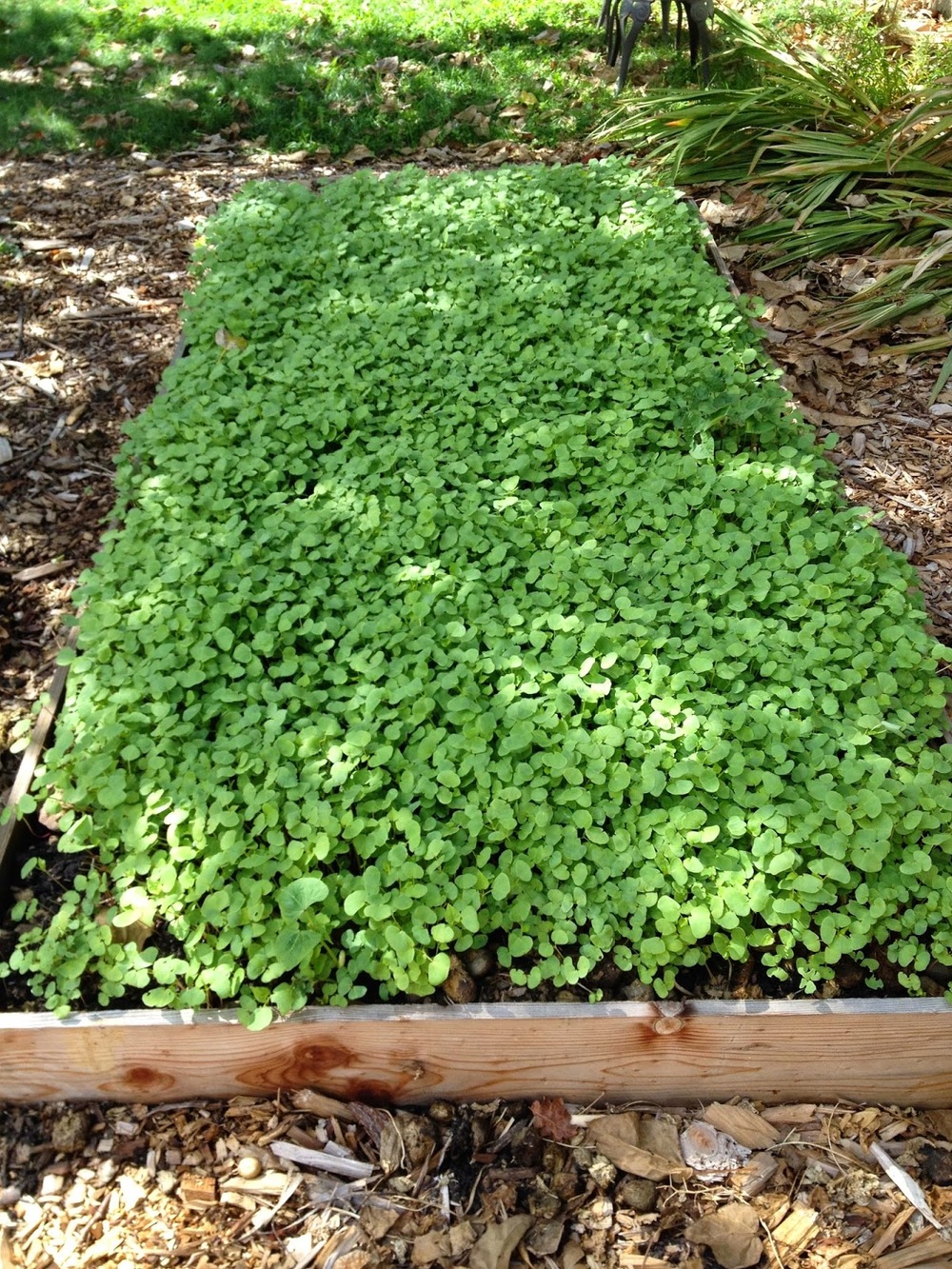
The buckwheat cover crop experiment is going well, so far. I put the seeds in about a week and a half ago, right after I dug in the horse manure. They germinated in three days. Three days! The soil must be quite warm, for them to germinate so quickly. 10 days later, the crop looks like this:


I really have no idea how tall this stuff will get, or when it will flower. All I hope is that I can get a flowering before I have to till it all in, in time to plant winter crops. I've seeded four of my raised beds with the buckwheat.

In the two remaining beds, I still have plum tomatoes, watermelons, cucumbers, tomatillos, acorn squash, butternut squash, and some nasturtiums. Everything is looking good, and the deer have stayed away lately, thank goodness. Though we HAVE heard coyotes in our garden at night. Maybe that's why the deer haven't been visiting!

Kate and I sowed more herb seeds in the spiral - cilantro, basil, chives, parsley, dill, and oregano, hoping for one more crop before colder weather. They have not germinated - I'm finding that herb seeds take FOREVER to germinate, no matter how warm the soil is. I'm beginning to think that all my herbs from now on will be grown from starts.

In the flower garden, I sowed some seeds of breadfruit poppy, chamomile, and something else I can't remember. I still have a lot of late-season flowers blooming - cosmos, coreopsis, zinnias, salvias, and a ton of California Fuchsia, which the bees adore. I see them crawling in the flowers as well as feeding from the outside of the flowers - there is a small slit in the top of the flower, which allows the bees to stick in their tongues and collect the nectar without going inside. But like I said, they do both.


I've had a small continuing crop of strawberries, even though the deer decimated the leaves. It hasn't been even enough for a small bowl, but I'm enjoying picking them and eating them as soon as they ripen, one or two every few days.


Today, I received a shipment from Renee's of garlic, shallots, and wildflower seeds. I will store all of these in the fridge for the time being, and plant the garlic and shallots in the middle of October, and the wildflower seeds in December, along with all the others I collected from my own garden this year. The garlic and shallots will grow all winter, and be ready for harvest in early summer 2015.


In the neighborhood, I'm noticing the cotoneaster and pyracantha have started to produce berries. This is a sure sign that, even though it doesn't feel like it, winter is on the way.


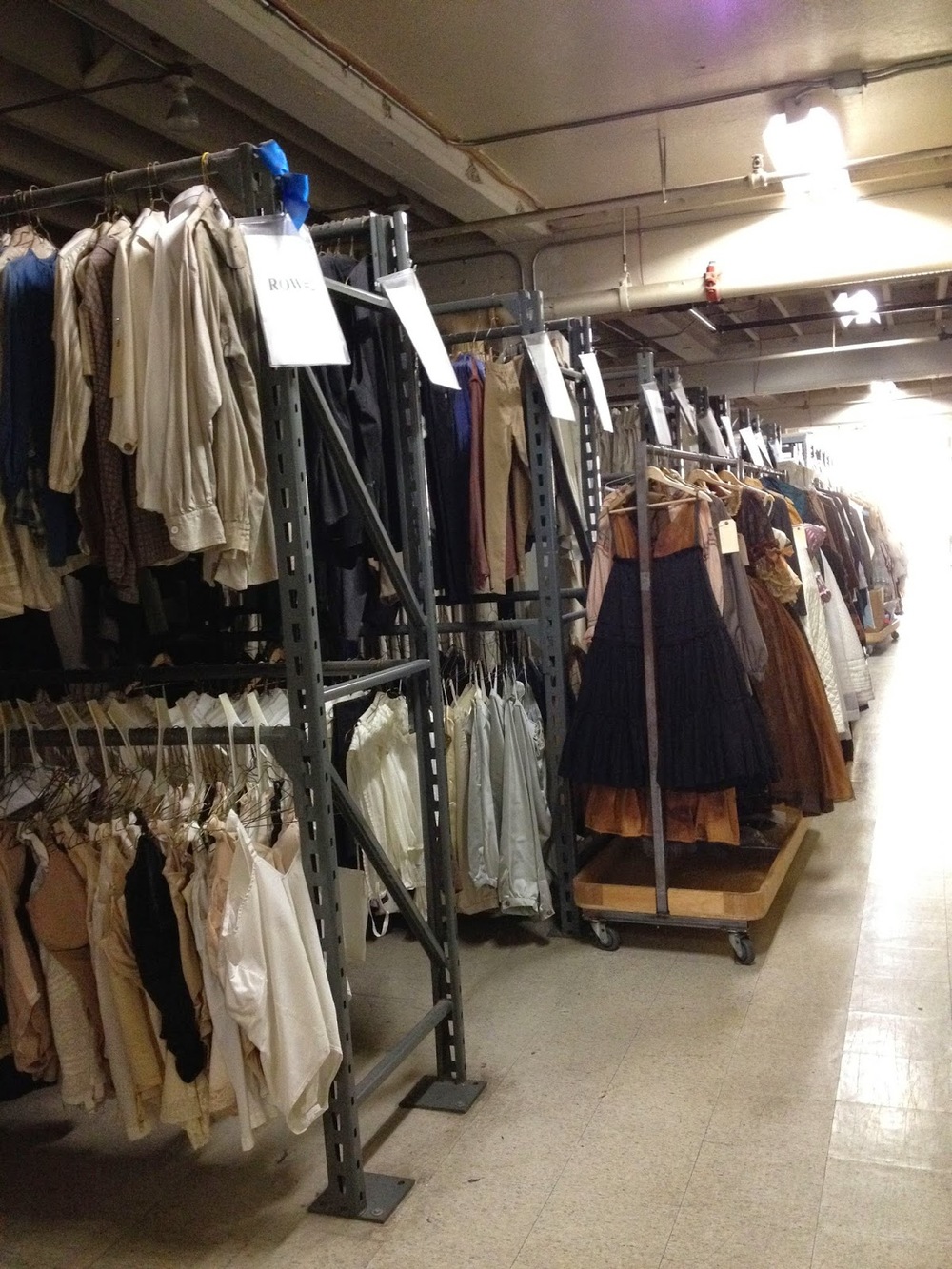
In other news, my son Adam is gearing up to perform in the San Francisco Opera's production of "La Boheme." We had a costume fitting last week, and that was a fun visit to the Opera's costume shop. It's in an old building between Howard and Mission, and as we climbed the stairs, we passed poster after poster of famous operas performed in SF. Up on the higher floors, there were rooms with racks upon racks of shoes, and cavernous halls filled with racks of costumes.


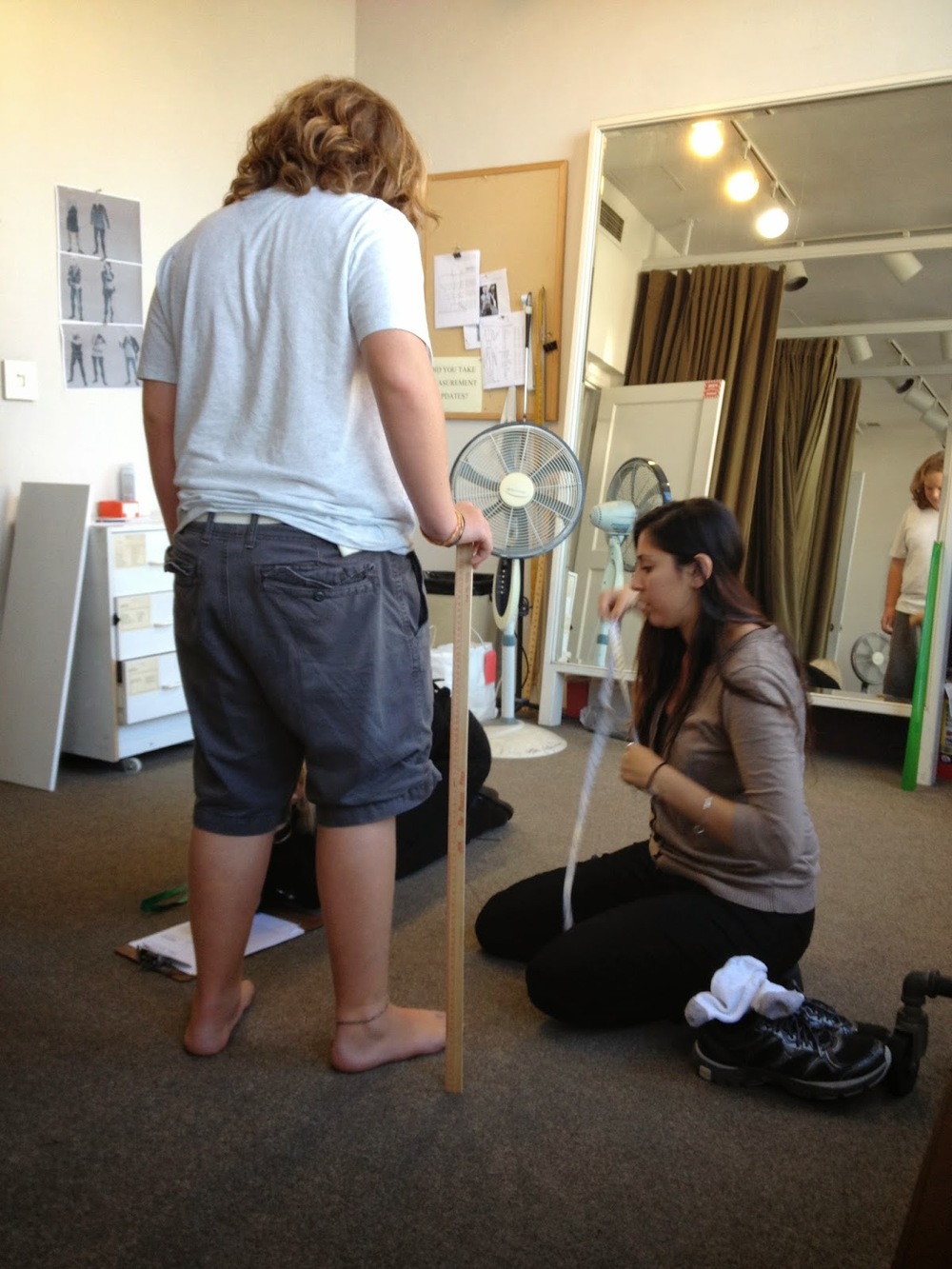
Adam had his measurements taken in a large, elegant room with huge floor-to-ceiling mirrors on either side. We mused about the famous singers who had stood in that very place. The costume ladies confirmed that they've all been there.


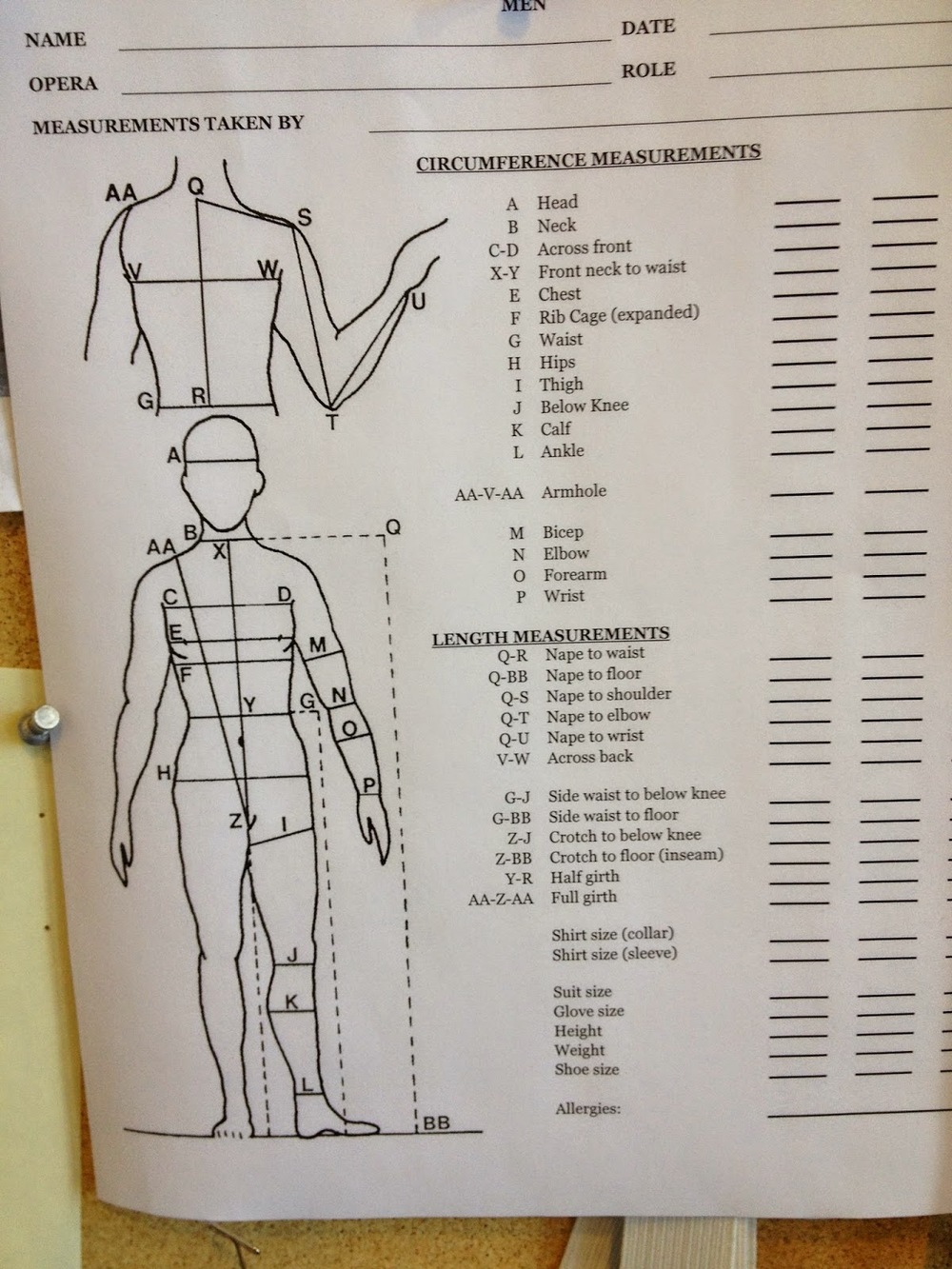
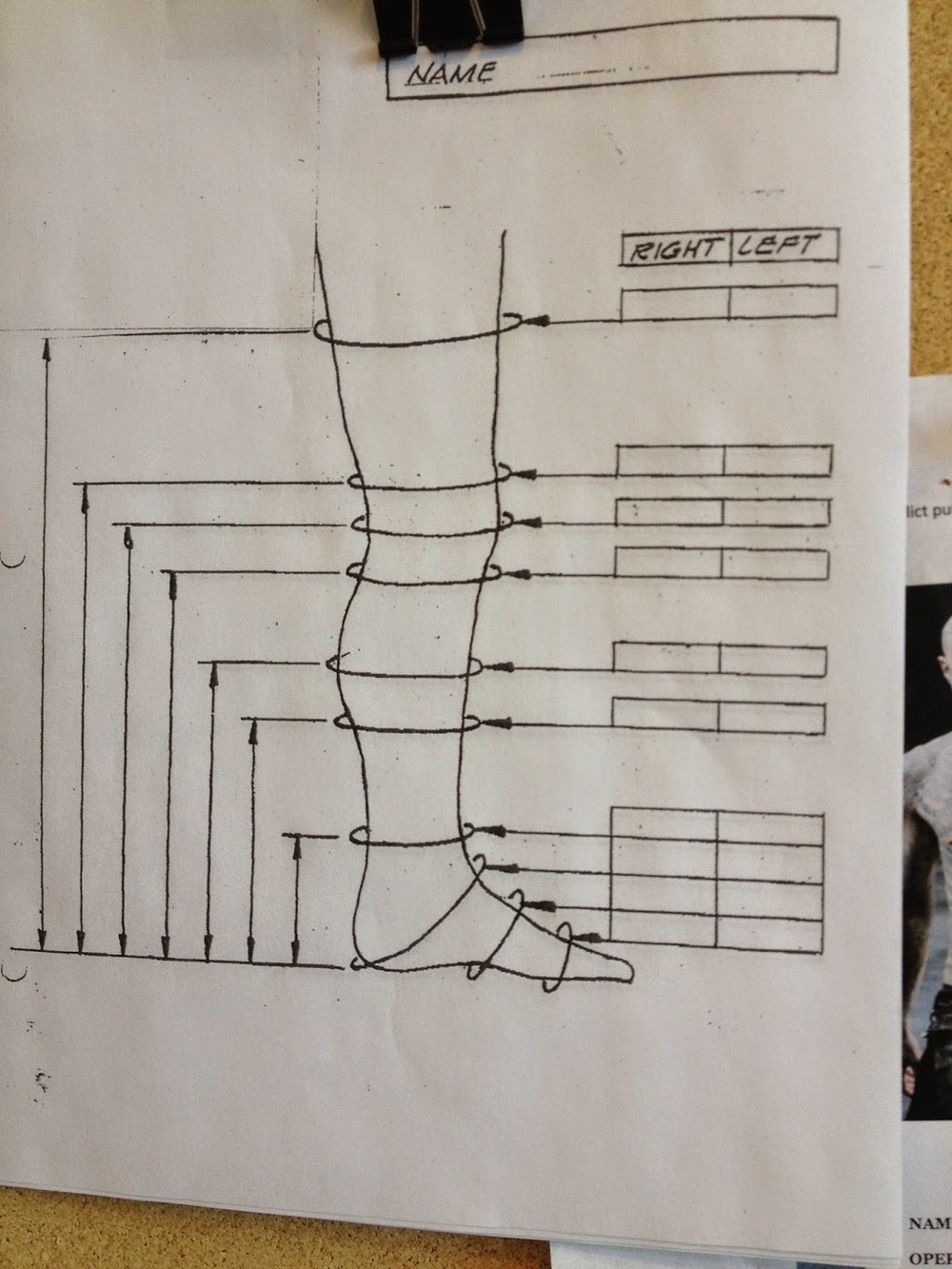
They were extremely specific in their measurements, I've never seen anything like it. They are also making him a pair of boots. Here are the sheets they used.


It was a fun visit. Our first rehearsal at the War Memorial Opera house is in mid-October.

My daughter Kate auditioned for and was accepted in to the next stage of her theater program. So we have two very dedicated performers in this house, which makes us proud.

It's the Cheese!

Guest post from my husband Tom today... enjoy!

For my birthday, Elizabeth got me a cheese making class at the Institute for Urban Homesteading, a place in Oakland that has classes in all sorts of interesting things -- in addition to cheese making, they've got classes in food preservation, fermenting, animal husbandry, etc. A place right up our alley.

Class was last week, and it was excellent! We made yogurt, ricotta, and started a feta cheese. The yogurt and ricotta were very straightforward -- we ate the ricotta at the end of the class, and I had the yogurt for breakfast the next day. The feta takes longer -- about 4-5 days start to finish.

Duly inspired, I picked up a couple of supplies on the way home and made the ricotta. It really couldn't have been easier -- you just heat milk up to 175°F, add some lemon juice so that it curdles, then strain the curds from the whey (thinking about Ms. Muffet all the time). After draining, I added some salt and some fresh herbs from the herb spiral, and it was great. When I do it again, I think I won't drain it quite as much -- it got a little crumbly.

In some ways, making cheese is a lot like making bread. There's just a few ingredients, there's some specific process, it takes a while, but there's a lot of waiting involved, too. There's some excellent science involved, too.

Today I'm trying my hand at the feta. This cheese requires a few more specific ingredients, which I ordered online from the New England Cheesemaking Supply Company:

  • Mesophilic starter culture
  • Rennet
  • Real cheesecloth

The difference between the cheesecloth that you get in a regular grocery store and real cheese making  cheesecloth is striking -- take a look at the difference in the weave:

Safeway cheesecloth on the left; the real stuff on the right

The starter culture is lactococcus lactis bacteria (official state microbe of Wisconsin), which eats the lactose in the milk and produces lactic acid, lowering the pH of the milk and making it harder for icky bacteria to set up shop. For the feta I'm making, I had to heat up the milk to about 90°F, and keep it there while the starter culture did its thing. The "mesophilic" refers to the moderate temperature that the bacteria prefer.

The high-tech "beach towel" method of temperature control

Once the starter culture has done its thing, it's time for the rennet. With the ricotta, I'd used lemon juice to curdle the milk, and it formed lots of little curds. The rennet will form a big mass of curd, which you then slice up into smaller pieces. There's different kinds of rennet out there -- traditionally, it comes from the lining of calf stomachs, but there's vegetable-based rennets as well. I'm using a liquid animal rennet, mostly because it was the thing I had the most confidence in ordering online. They also sold dried rennet in pill form, but I didn't feel like cutting and crushing up pills. The vegetable rennet is more expensive and doesn't store as long.

For the rennet step, you're waiting for what's called a "clean break", where there's a clear separation between curds and whey. It's kind of like sticking a toothpick in a cake.

After the clean break, I sliced up the curd into smaller cubes using an icing spatula, stirred it gently so that the curds gave up more of the whey, then drained it in cheesecloth, gathered it up, and hung it to dry for a few hours. The amount of whey that drains out is fairly tremendous - I started with a gallon of milk (about 9 lbs) and will wind up with about 1 pound of cheese at the end of all this.

 This is a 4 1/2 quart pot, so that's a lot of whey.

After a couple of hours, I flipped it over, and will let it hang overnight.

The curd, right before the flip.

There's more process after the overnight hang, but that'll have to wait for another day...

Family Dinner

So you've seen the vitriolic blog debate about dinner, right? I mean, dinner, who knew it could be so fraught? The first article I saw was this piece in Slate, by Amanda Marcotte, entitled "Let's Stop Idealizing the Home-Cooked Family Dinner." When I read it, all I could think was, "Oy. Of course it's hard. If it was easy, it wouldn't be worth it. Suck it up and cook."

But then I read Joel Salatin's rebuttal in Mother Earth News, and I while I agree with most of what he said, I found the way in which he said it a little mean-spirited. It wasn't the gentle, encouraging response that I felt the piece warranted. (Ok, I get that my immediate response wasn't all that gentle or encouraging either.)

I found the original article written by three North Carolina State University sociologists called "The Joy of Cooking?", which turned out to be an interesting and thoughtful piece about the difficulty most people feel about preparing dinner. So I've been mulling it over. And I wanted to make sure that I was being fully honest with any readers I might have, as maybe I've been painting our cooking and eating life here at Poppy Corners in an extremely rosy light.

Do I cook every night? Yeah, mostly. I mean, I plan a meal for every night except Friday. (Friday is date night, and I'm eating out on date night, dammit, even if it's just a bucket of popcorn at the movies.)  I just honestly believe that eating a meal cooked at home is more economical and more healthful. I can control the ingredients. I'll have leftovers to use for lunches the next day. And if we all get to eat it together, that's a bonus. Now, we usually talk for about 10 minutes, and then turn on "Survivor" or "Amazing Race," so I can't say that our dinner is necessarily for social reasons, but I don't think it hurts that we are sitting down together and checking in about our days.

Do I love cooking? No.  I do like it a lot. I often find it enjoyable. It gives me a feeling of comfort, to know that I can do it fairly well and that I'm providing for my family. Are there nights that it's drudgery? Oh, maybe a few, but I honestly don't feel that way very often, and usually it's because something happened during my day to make me mad, and cooking is exactly what I need to get out of my bad mood. Are there nights I simply can't face it? Oh, yes. It doesn't happen often, but when it does, we go out or bring something home. I'm not going to beat myself up about that; I mean, since when is cooking supposed to be legalistic? I think cooking should be romantic, and in fact, if I squint really hard, I can imagine that my kitchen is somewhere in Italy and I'm using olive oil pressed from my own trees. Why wouldn't I want to do that? I wish I could cook more, actually. I wish I was better at it, and I wish I had more time and talent to throw at it. And boy do I appreciate dinners that other people cook for us, knowing the time and effort, and love that went into that meal. I don't think I appreciated that fully before I got serious about cooking.

When Tom and I got married, he said that one thing he really liked was a good hot meal after he got home from work. He made it clear that he wasn't expecting me to do it, that he didn't care who did it, as long that was the result. He's proved time and time again that he is willing to do the cooking, so I don't feel a pressure about what he said and never did. I know that he would cook every night if I preferred it. However, he works more than I do, so most nights I do the cooking. I figure that's fair. On weekends, I do often plan things that he will cook.

And in fact, Tom has more formal cooking experience than I do. He's taken countless classes in pastry, bread making, and Asian cooking; while I have my mom to thank for my skills in the kitchen. When I was young, she put me in charge of making dinner once a week, and that included planning for it and shopping for it (a project that I gave my kids this summer, and it was fun!). I watched her preserve vegetables and fruits in the summer, so we'd have them all winter. I watched her bake for special events and cook dinner every night of the week. She would also pack our lunches every single day, and make us breakfast every single day, two things that I do for my own kids as well. Was this a lot of work for her? Hell yes. Is it a lot of work for me? Hell yes squared, because I also work, which is something my mom didn't have to do in my formative years.

Now, I'm lucky. I don't work full time, only part time. And my husband makes a decent income. And we live in one of the healthiest places in U.S., with produce available year-round from numerous farms within a 50 mile radius. There is a farmer's market in every city in the East Bay, and one nearby every day of the week. You can even get a CSA for grass-fed and pastured meat, for heaven's sake. We even have a small yard that, with a little effort and expense, can produce food. Yes, we are on a budget. But no, we are not poor.

I cannot imagine what it is like for folks who are single parents. Who work full-time. Who live in a food desert. (We saw lots of these in Arizona and New Mexico on our travels this summer; places where the closest food mart was a distance away, and even calling it a 'food mart' was stretching it.) Who cannot grow their own food. Who live below the poverty line. I imagine that for these people, a box of pasta and a jar of sauce is a feast. I am not minimizing these troubles, and am grateful every day that we don't have them.

But here's the thing. For those people above, getting your family fed at all is the main thing. None of this other nonsense is even worth talking about. But for most of us, hey: If you've got a little money, and you have a little time, and you don't mind experimenting a little, then yeah, cook at least some of the time! Is that so subversive? I know it's hard to plan, and shop, and clean up afterward. I know someone in the family will inevitably say they don't like something you've cooked. So what? Since when do our kids have to like everything we do?  (Full disclosure: I cook a lot of stuff that I know my kids will eat, or components of the meal that I know will go over well. But the rule is, if they don't like any part of what I've cooked, after giving it a really good try, they can get a bowl of cereal or some fruit. And I never berate them for that. I thank them for trying it. Now my son will eat practically anything I make, because he felt safe, I think, that he had that backup. He's never gone for the bowl of cereal. My daughter however used to go for the cereal most of the time. I can say that she hasn't done it in almost a year, though. So tastes change, if you keep trying hard enough.)

For some reason, I'm thinking of a day in April when my aunt and uncle were visiting from Ohio. My folks made reservations for Chez Panisse in Berkeley for lunch. I explained to the kids how special lunch was going to be, how Alice Waters changed the food scene entirely, how they needed to keep their minds open and try new things, and by all that is holy, thank your grandparents profusely, because we could never afford a meal like that otherwise. We had a grand time and tried all sorts of new things and oooo'd and ahhh'd and enjoyed the entire experience.

Then that night, we had dinner at my mom's, and she had prepared the most delicious fish and vegetables, and honestly it was just as good and innovative and simple and fresh as anything we had at Chez Panisse. And that's when I realized, we can do this stuff any time we want. What's to stop us from going to the farmers market and asking the farmers what they thought we should eat that night, and how we should prepare it, and then do it? What's to stop us from going to the supermarket and asking what fish was wild and fresh and how would the monger prepare it? It's a hell of a lot cheaper, that's for sure. Even though I had cooked for years, I think I realized just that day that anything we had at home was going to be as good as even the best restaurants, if we had but the courage to try.  I'm not talking fancy food; I recently saw "The Hundred-Foot Journey," and I could maybe make two of the five French sauces, and maybe only 50% of the time. I'm talking simple food. That's not hard. That's not fancy.

As I get older, my health is very important to me. I've been overweight all my life, and it doesn't seem as though that's going to change no matter what I eat or how much I exercise. So the logical thing to do, when all other avenues are exhausted, is to eat what I know is best for me. That's not fancy food. That's not complicated food. That's simple food. Roasted meats and fresh vegetables, fruits for the sweet tooth. A little dairy here and there. A few nuts. Some oil. This isn't hard, and anybody can do it. Let the food speak for itself!

There's one other thing that has greatly influenced my passion for cooking at home, and it's not an experience that everyone has, so I'll try to explain it so you can maybe benefit from it, too. Back in January of 2004, Adam was two and Kate was nine months old. They ate everything I gave them. They had both been breastfed (in fact, Kate was still mostly breastfed), and then moved on to whatever I gave them. Neither was picky. Then, Adam was diagnosed with leukemia. He was given many chemotherapies, but the hardest medication turned out to be Decadron, a heavy-duty steroid, and Adam had massive doses of it. It completely changed the way he ate. Suddenly, he craved food all the time, and got panicked if he wasn't eating. He was obsessed, and he wanted junk. Chips, spicy chips in particular. Grilled cheese sandwiches. Pasta. The cheap carbs were flowing, and after three years of that, he just couldn't self-regulate his appetite anymore. He didn't know what to eat and how much to eat. His system didn't ever tell him enough was enough. I had to regulate for him, and I hated doing it, and didn't want to fight about it.

Around this time, Kate was diagnosed with autism. Her eating habits had also changed. Where once she ate anything I put in front of her, now she refused to eat anything but goldfish crackers and milk. She literally ate spaghetti every night for YEARS. Getting her to try new things was even more of a battle then it had been for Adam, because she couldn't begin to understand why I wasn't giving her the spaghetti she wanted.

And I confess, Tom and I just gave up for a while. We let the kids eat what they wanted to eat. For years, I cooked one thing for the adults, one thing for Adam, and one thing for Kate. Every night. And I look back at that like it's a sort of food and cooking hell. I can tell you I wasn't enjoying cooking, or even eating, at all during that time. We ate a lot of crap, because it was easy. We had other stuff on our minds.

Now I realize that there are parents out there who are doing this very thing right now. Maybe your kids have medical or psychiatric issues, or maybe not. Maybe you're just trying to keep the peace. I get it, I totally get it. It took me a long, long time to realize that I needed to try harder.  That it was on me to make the change. And then I just decided to do it. "THIS is the new rule in our household," I said. "I don't want to eat crap anymore!" I said. "I don't want to cook three separate things anymore!" I said. I took back the kitchen. I started slow. I made spaghetti for all of us. I made hamburgers in slider form, so they were cute. I made a lot of mashed potatoes. But I'd sneak something new in somewhere, and the kids would have to deal. Five nights of what they liked, one night of something new. Pretty soon we were all eating CHICKEN NOODLE SOUP, what the heck??? We were all eating GRILLED SALMON. Who could have foreseen it? It was awesome.

It's not perfect. Kate will often leave the meat on her plate and eat only the peas and french fries. (Yes, I buy frozen fries on occasion.) Or she'll eat the hamburger and leave the green beans. I don't freak out. I ask her to try everything, but if she doesn't like it, oh well. I'm not personally offended. At least I get to eat the leftovers. She wants mostly Nutella sandwiches for lunch. At least she'll eat some applesauce with that. She's getting lessons about what's good, what's healthy, where my priorities lie, every day. She sees me spending time in the kitchen preparing good food. The kids know that we put a high priority on quality food, prepared simply. It's not mean, it's not angry, it's not forceful, it just is. What do the teachers say, 'let the kids see you reading, so they'll know you make it a priority?' Well, let them see you cooking, for the same reason. It's just as important.

It took me a lot of time to get to this place, so I honor it. I cherish it. I will not apologize for it. Dinner is important to me. We're together, eating good healthy food, that someone cared enough to prepare. I can't think of anything better.


Horse Manure!

Today, I borrowed my dad and his pickup truck, and went to get a load of well-rotted horse manure. I had contacted Sienna Ranch, a wonderful place that offers farm, survival, and horse classes/camps for kids. They immediately returned my email, letting me know that they had plenty of composted horse manure for pickup. Not only that, the site manager would load the truck with his tractor, if we liked. Oh, we liked. I knew I would already have enough shoveling ahead of me; any shortcut was welcomed!

The manure is dry and barely smells at all, and it makes a nice pile on the driveway. Yes, I warned the neighbors ahead of time. At this point, all of their eye-rolling, if any, is internal - they know my quirks when it comes to my yard and tolerate me. :)


I'm developing a head cold (ah, the perks of working with children), so I didn't get as much moved today as I would like. I managed to put a good couple of inches on the asparagus bed, plus the berry bushes. I also moved four wheelbarrows-full into one of the raised beds, then tilled the bed.


This is where the corn had been. As soon as the manure settles in, I'll plant a quick cover crop of buckwheat.

I cleared out almost all the pumpkins, the sweet potatoes, and the potatoes. This week I'll clear out the cherry tomatoes and peppers (too decimated by the deer and raccoons to save). Then I'll add manure to those beds and till it in.

I wondered if the bark underneath the raised beds had decomposed completely. As I dug, I saw very little evidence of any bark. But I did see wonderful black compost, and plenty of fat worms. Of course the cardboard and grass underneath all that is completely rotted as well. Sheet mulching WORKS. I haven't seen any interesting mushrooms in my vegetable beds in a long time, which also makes me think that the main decomposition is done there. I did, however, see this beauty over in the flower bed.


Mushrooms continue to fascinate me. I am hoping to take an identification class, sometime in the winter.

Now, for the recent disappointments in the garden:

1) Deer. For example, here's what they did to my peppers.


No leaves. Last night, the raccoons came and got the remaining pepper fruits. At least I'm assuming it's raccoons, since the deer seemed to eat the leaves and leave the fruit alone.

The deer also ate so much of the greenery of my potato plants, I was concerned that they might not form fruit. And I was right. I harvested ONE LONE POTATO. It was delicious. I was very sad that there were not more.


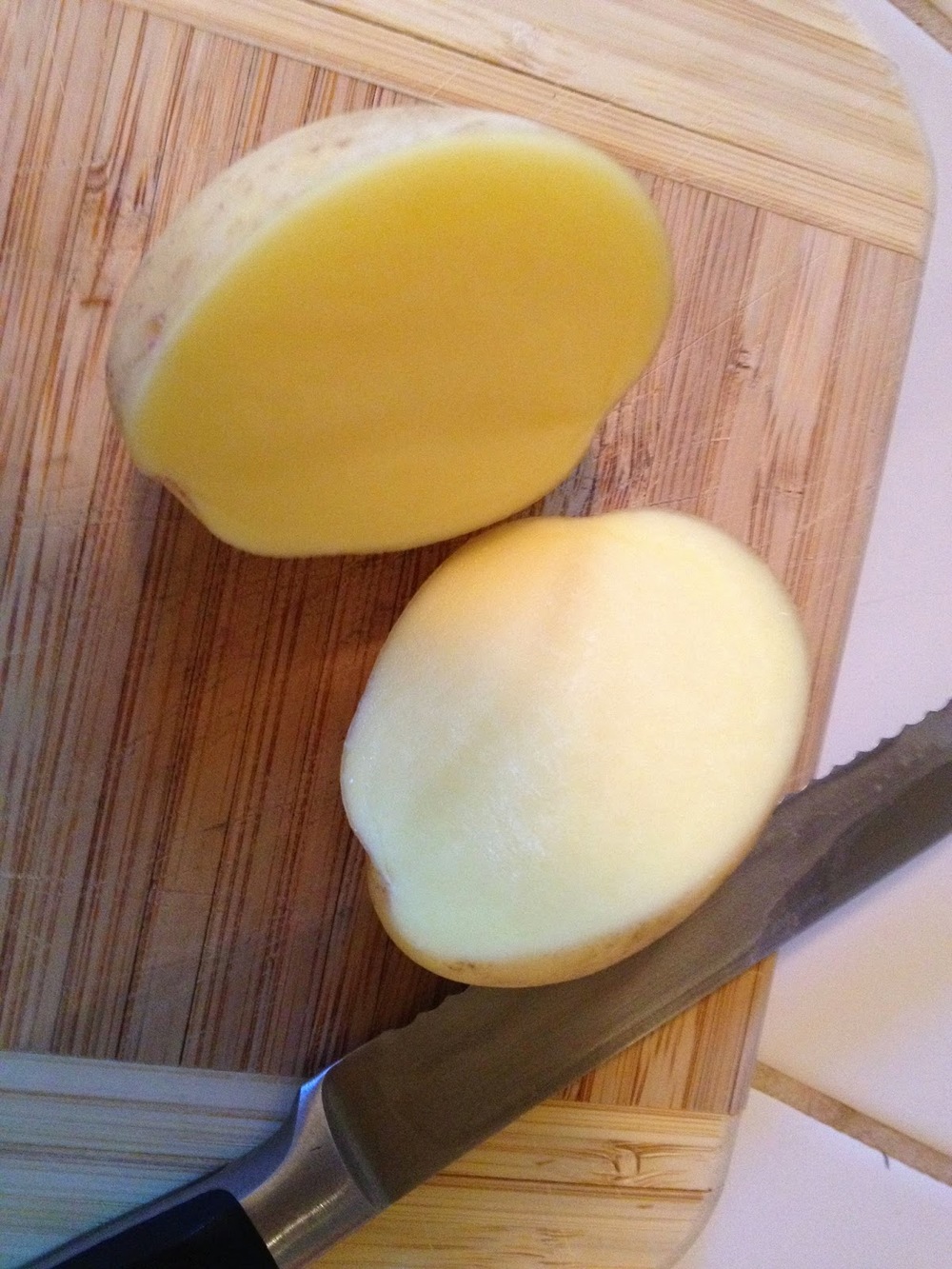
It was interesting to look at the seed potatoes, though, as I dumped them in the compost. They had been completely bored through by these strange little wormy bugs, which I found when I picked the potatoes up. I couldn't get a picture of the bugs, but here are the holey seed potatoes.


2) Yellow Jackets. They've been hovering, en masse, underneath the bee hive, preying on dying bees. I don't mind them providing the service of removing the dying bees. But I was worried that their numbers were growing, and eventually they'd make a go at robbing the hive. My hive is strong, with probably 20k bees, but helping them as much as possible seems right. Today at the local farmers market, I was talking with a honey seller (and beekeeper), who said he's already feeding his bees, he couldn't believe my bees are still bringing in nectar. He also repeated that I should take whatever  measures I could to protect the hive from yellow jackets.

Long ago, I had bought one of those plastic cylindrical traps, and it's been up since I got the bees. 4-5  months, and it hasn't caught even ONE wasp. Dad told me about this other kind that he gets at the hardware store, and they really work. We bought one and put it up earlier today; and eight hours later, there's probably 50-60 wasps in there. Mwah ha ha.


This is a bad picture, but the dead wasps are all floating on the surface of the water in the trap. As I took this picture several wasps were buzzing around, looking for a way in. Goodbye, yellow jackets.

Some things that are going right in the garden.

1) Cucumbers. Still a prolific producer. The bees like the blossoms, too. My go-to salad for pot lucks is a cucumber and tomato salad, the recipe is from Epicurious. It also uses mint from my herb spiral.

2) Tomatillos. The fruit is getting bigger inside its papery skin. There are hundreds on my plant. A slow starter, but it's going to produce a lot of fruit. Apparently, they reseed easily and I'll need to watch for that.

3) Watermelons! There was some question if we'd get enough sun for these babies, but they are growing! Right now, they fit in my palm. Cute, right?


4) Acorn Squash. Despite the deer eating most of the leaves, I've got a nice sized squash developing.


I'm not sure why I love winter squash, but loathe summer squash. Perhaps it's a texture thing.

Last week, I experimented with another recipe from Against All Grain, this one a black bottomed banana cream pie. Delicious. It really helps to have treats every so often, and this one was a goodie. I recommend doubling the filling if you prefer lots of filling over lots of crust. Here is the baked crust with ganache and bananas, waiting for the custard:


And that is your weekly report from Poppy Corners 'Farm'. Hope wherever you are, you're eating wonderful local produce!

(Oh, that reminds me: PBS is piloting a new show called "Food Forward." I can't wait to see it. Make sure to add it to your DVR!)