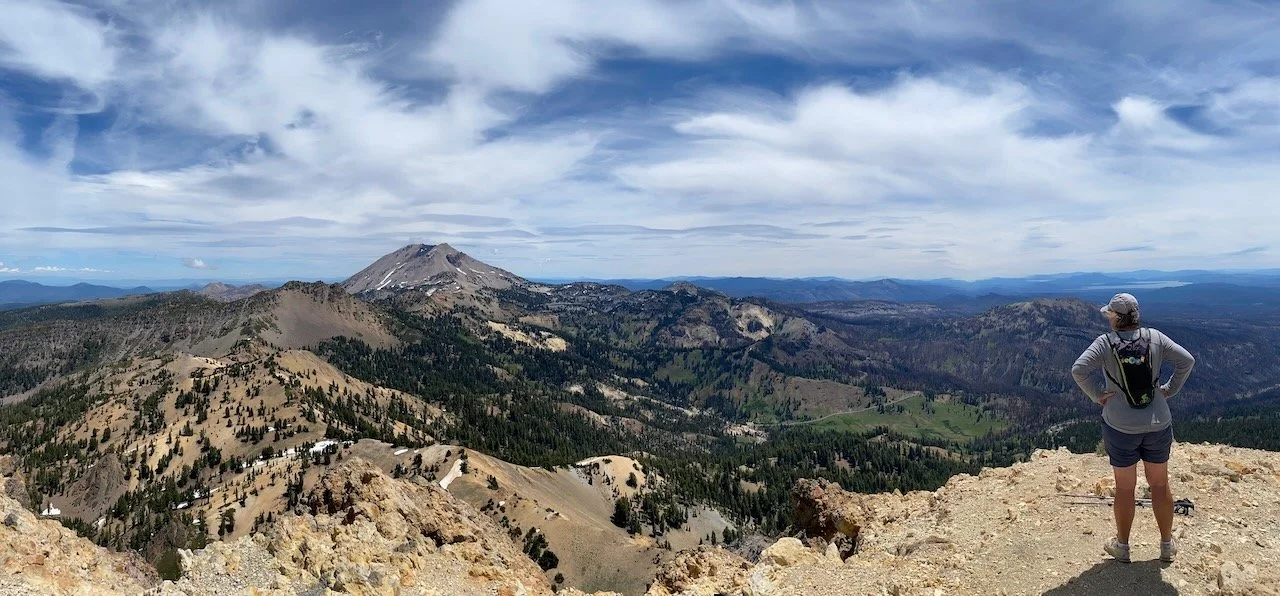
So naturally, we had to go!*
Tom and I have always wanted to explore Lassen Volcanic National Park, so when I realized that both the kids would be home this summer and the house might start to seem a bit small with four adults knocking around, I took advantage of the long holiday weekend and booked the two of us a trip up north. We left Friday, driving up through Chico, then traveling across a butte and through Lassen National Forest to get over to Chester, a tiny town at the north tip of Lake Almanor. We stayed at a delightful inn called The Bidwell House, which was about a half hour south of the park entrance; our room came complete with a Japanese soaking tub, which was heaven for tired hiking feet.
But I’m getting ahead of myself. Let me start from the beginning.

You may not know that I totally fangirl over thru-hikers. I’ve never fulfilled my dream of going on a months-long hike - I’ve never known how to make that work, logistically - so I satisfy my adventure cravings by watching PCT/YouTubers every summer as they document their journey from the CA/Mexico border north to the WA/Canada border, a walk of 2,650 miles. When I saw that our drive would take us right through the PCT, I planned for us to stop and take our Friday hike there, giving me a little slice of what it’s like on the trail.
What I had completely forgotten was that starting July 13, 2021, and continuing for four long months into late October of 2021, the Dixie Fire (the largest single fire, not part of a complex, in California’s history, and the second largest overall) burned through nearly one million acres, across five counties (Butte, Plumas, Lassen, Shasta, and Tehama). As we drove west on highway 36, from Tehama into Plumas county and Lassen National Forest, our excited chatter turned to silence as views of lush green forest turned to blackened trunks and stumps. In our Bay Area privilege, we had totally blocked out the memory of red skies and falling ash last summer. Mile after mile we drove, heavy of heart, looking out into the destruction.
We parked the car at the turnout for the trailhead, tied on our hiking shoes, and silently started walking.
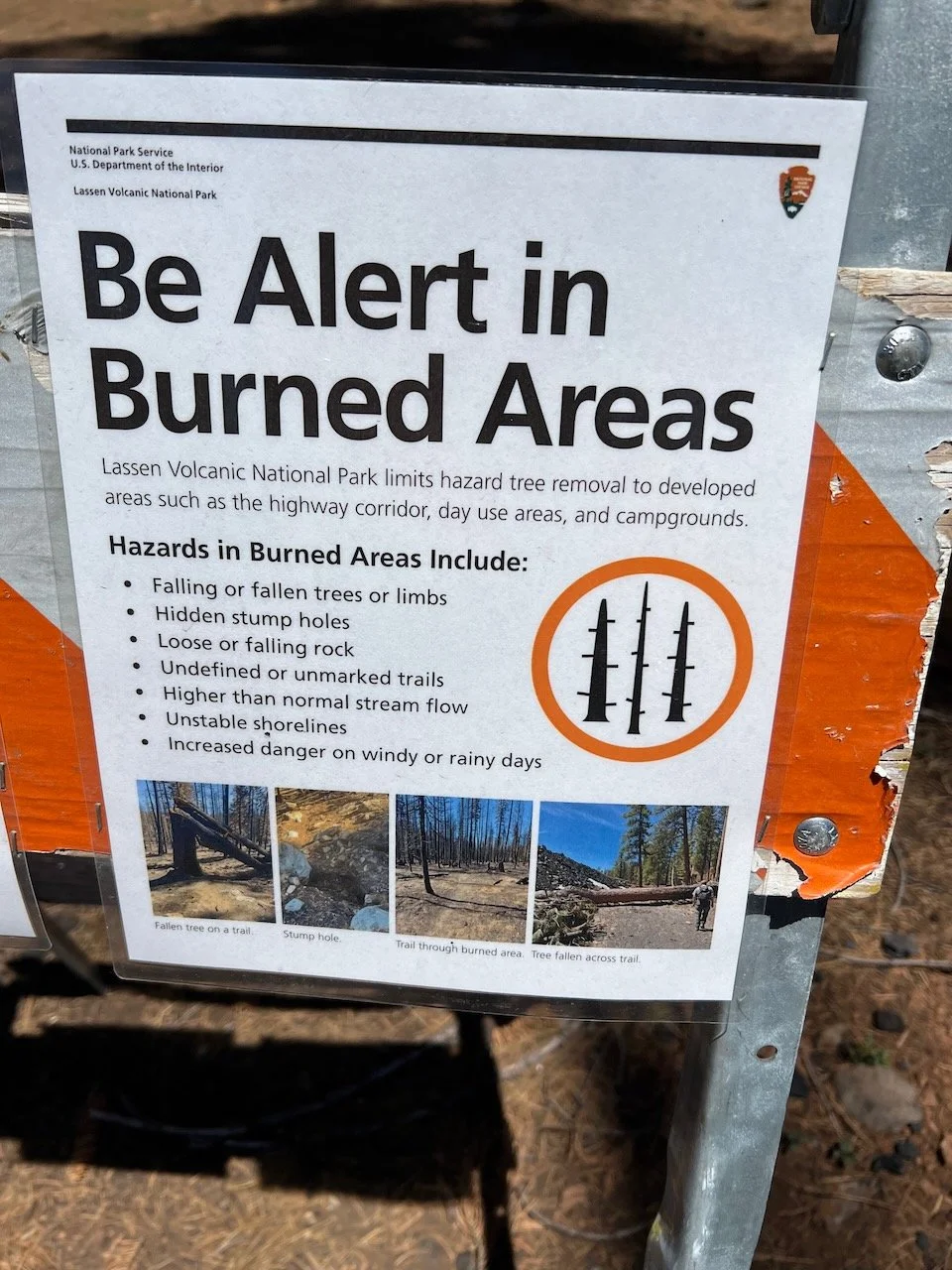

We walked quietly, without talking, except to greet passing hikers. We walked on the designated path through the burned trees. In some places, life was returning - manzanita, snowberry, and hardy grasses seemed to dominate - and along the one creek we crossed, there was a riot of wildflowers. But there was no birdsong, no butterflies, no insects. We reached a high point; as far as we could see, the forest was burned.


It was less a hike and more a prayer. We were deeply, deeply affected. How many times, in this blog, have I written about fire? How many times have I opened the Cal Fire website to be greeted with more statistics about yet another fire? How many times have I turned on the TV news and watched as a family walked back onto their property to find only soot and ash? This one hike made it all real for me. The Dixie Fire was a massive, massive event. Lassen Volcanic Park, we learned later, was 69% burned. The city of Chester, where we stayed, was mostly intact, with the lake nearby, but all around it? Burned. We were constantly faced with the real fact of the fire on our weekend; it was present every moment. And it didn’t end when we left on Monday, either - our trip was bookended by the sorrow of wildfire.
But before we get to that, let’s talk about the good stuff. Because, oh, there was some good stuff. Lassen is a magical place.

After that first sobering hike, we checked in at the hotel, took a soak to wash off the soot, and headed to Lake Almanor to find some dinner. Chester is a one-street town; there’s not a lot of dining or entertainment options available. We managed to find a serviceable dinner of sandwiches and salad at a golf-course grill next to the lake. Afterward, following our innkeeper’s directions (“just drive down the west side, and anywhere there isn’t a house, you can go down to the lake”), we found a rocky beach to explore. From there we could watch people boating and swimming, the cliff swallows catching a sunset meal, and view a snow-capped Mt. Lassen far in the distance, a possible hike for us during the coming weekend.
Saturday morning we drove past the tiny town of Mineral, where we saw a cowboy-hatted caballero leading a horse through a meadow to pasture (postcard perfect!), into the park proper. Immediately after paying the fee ($30 for a week’s access to the park; truly, the NPS is one of the best bargains of all time) we headed into the visitor’s center to talk to a ranger about conditions. This is the first thing we do in any park that is unfamiliar to us, and it is always fruitful. In this case, the ranger showed us a map of the park and explained how most of it was inaccessible due to last year’s fire. Many of the hikes I had planned for us to do were no longer an option. And it turned out that Mt. Lassen still had quite a bit of snow on it. The ranger said, in no uncertain terms, that unless we had experience hiking in snow, it would behoove us to skip it - they had airlifted two people off the mountain the day before in two separate helicopter rescues. Ok! No Mt. Lassen for us, then!
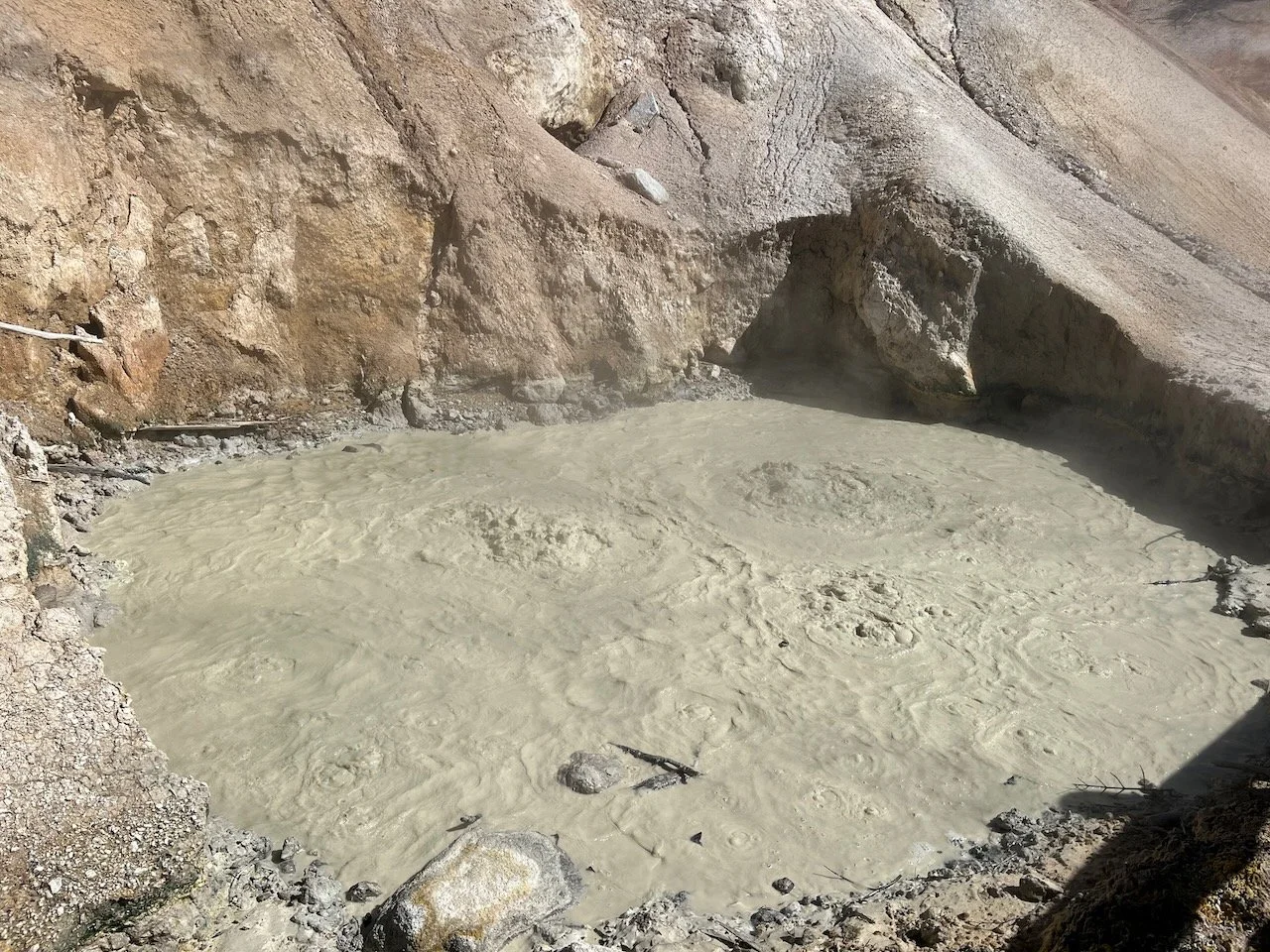
Noticing that a ranger-led talk was starting in ten minutes, we hightailed it up the road to the Sulphur Works, where we learned about the four types of volcanoes and that all four are present in Lassen Volcanic Park. We also saw a bunch of bubbling mud pits. That was way cool.

owlcation.com
The park is huge, so we decided to drive all the way through it and see everything from the road, first, and when we got to the northernmost end, we’d stop at Manzanita Lake and have a hike. We figured we’d have time afterward to stop at all the small, interpretive walks (such as the ‘devastated’ area, resulting from the 1915 eruption of Mt. Lassen) scattered along the road on the way back. But it turned out that the drive to and from Manzanita Lake took more than an hour each way, along a very curvy road with lots of congestion at the marked pull-outs, so we never did get to do all those little interpretive walks. However, we did get a wonderful hike on the backside foothills of Mt. Lassen, from Manzanita Lake up into the subalpine forest, through alpine meadows, past Chaos Crags to Manzanita Creek.


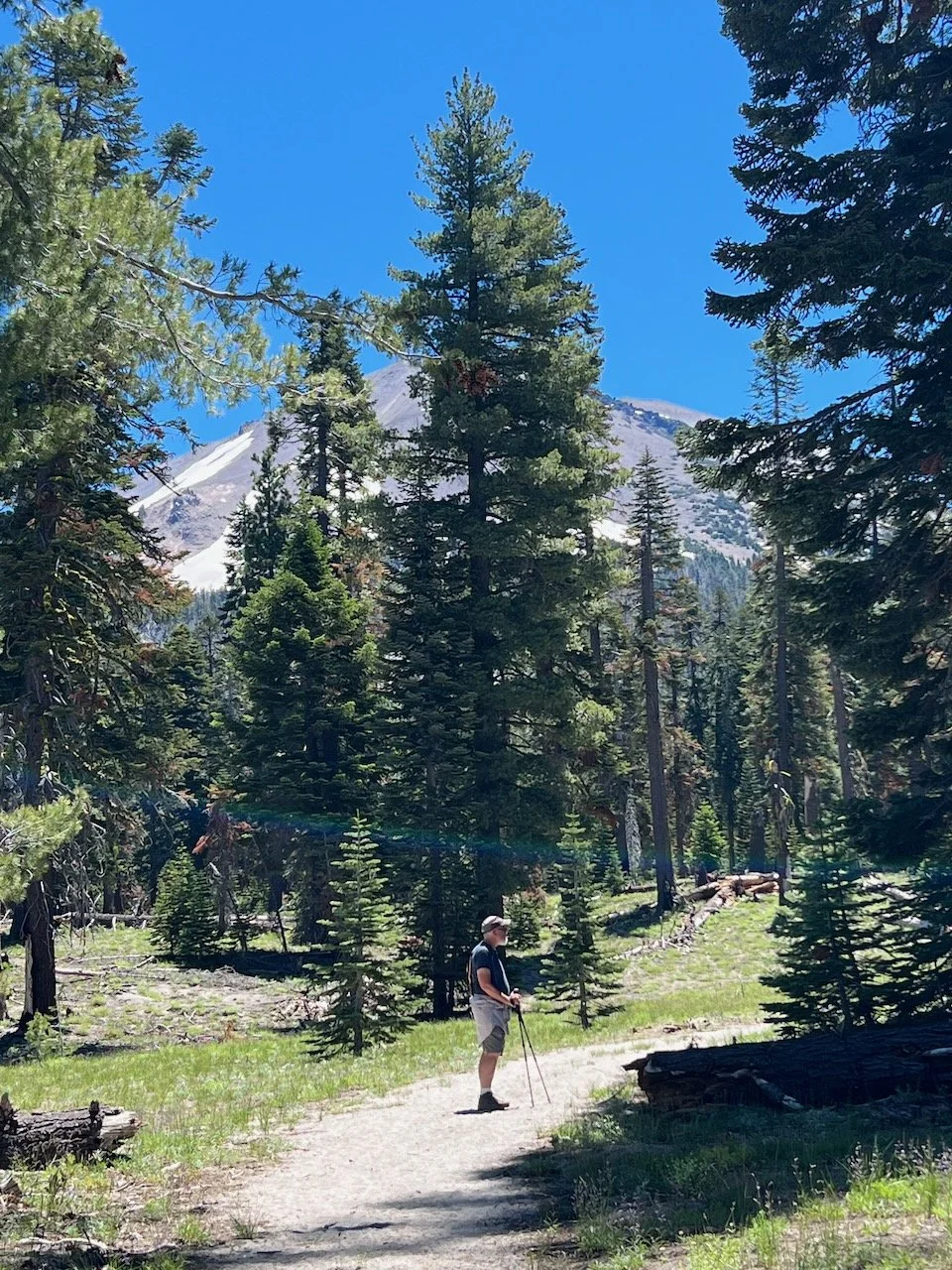
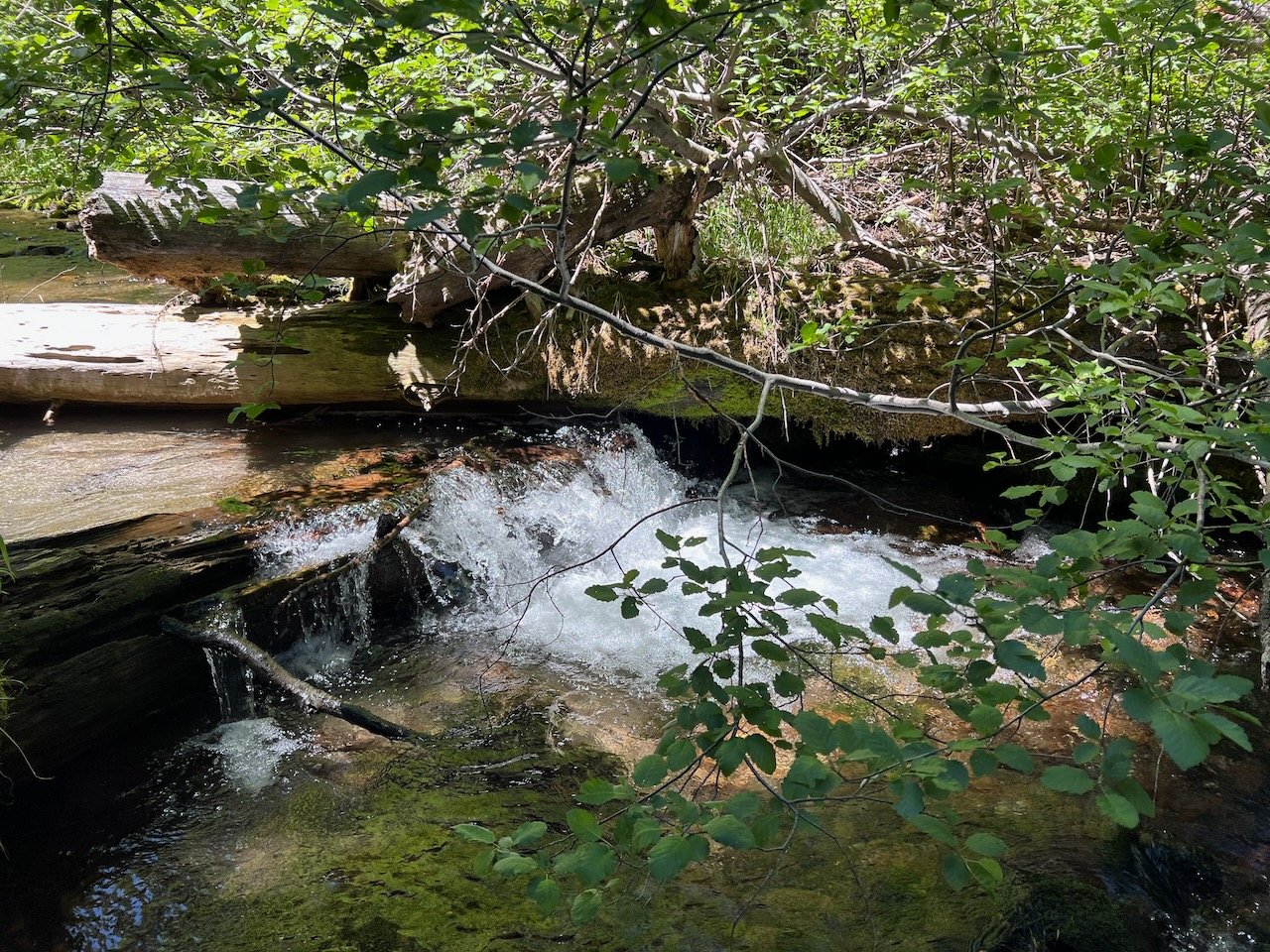
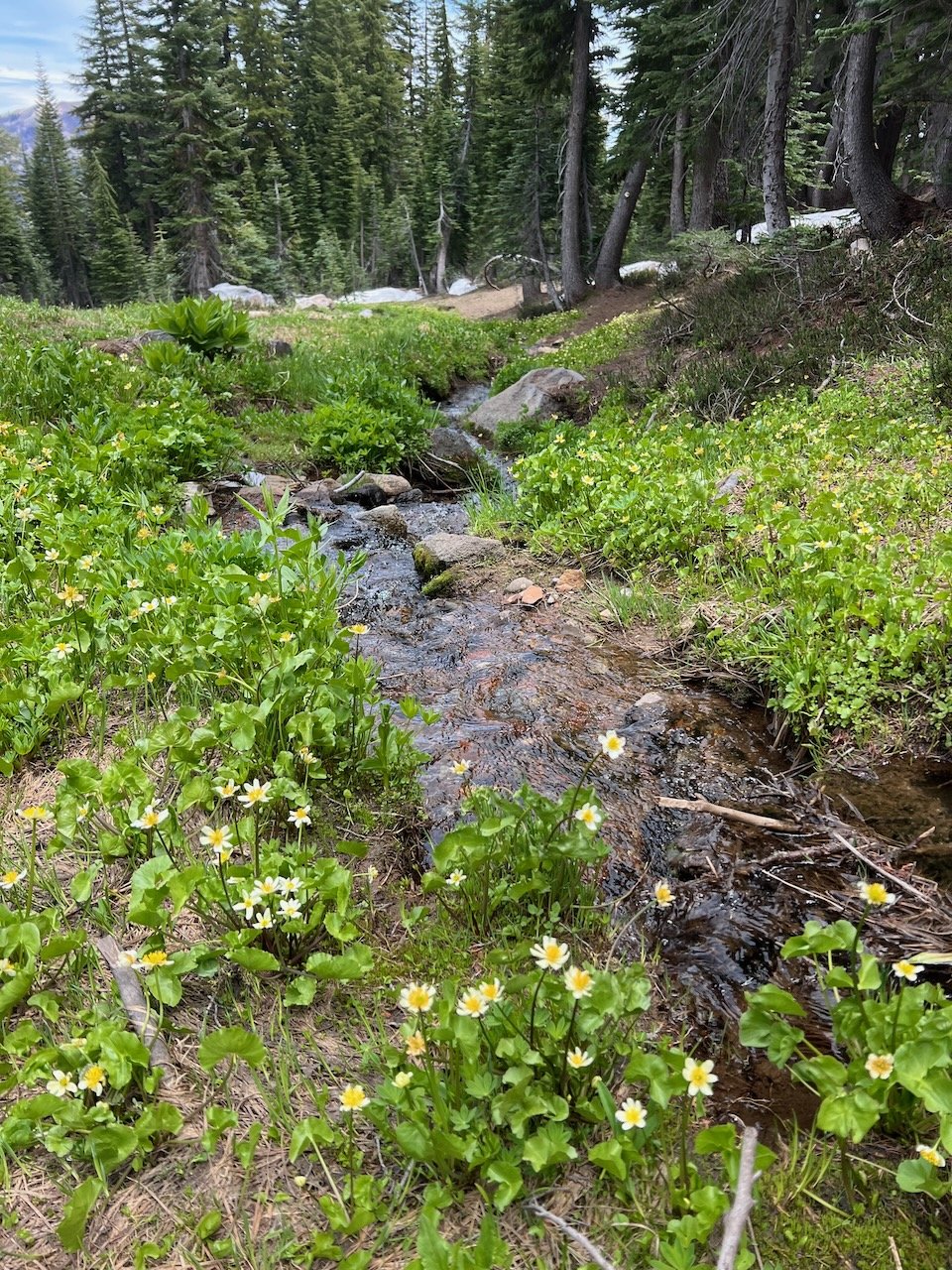
And the flowers, my goodness, the flowers. It’s like we went back in time three months, back to Spring. That was cool, but also these were flowers that I had only heard about or studied, never seen in person before. Alpine flowers! Hardy little souls, blooming in the leanest of soils, after a snowy, cold winter: scarlet gilia, longspur lupine, pine violet, Sierra penstemon… and the trees! Subalpine fir, Jeffrey pine, cedar, alder, and birch. These alpine meadows made me so happy, and I can’t even explain why. Maybe because, despite the state of the world, nature just digs in and survives, even in harsh conditions.
We spent a little time at Manzanita Lake, watching the families on vacation. Then, a long drive out of the park, a long soak in the tub, and off to a surprisingly good dinner on the peninsula in the middle of Lake Almanor. We made sure to get to bed early, since we needed plenty of rest before our biggest hike on Sunday.
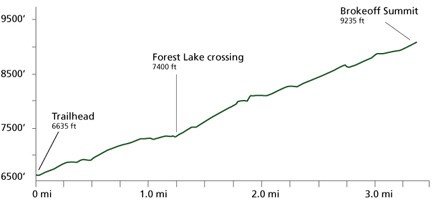
Sunday’s hike: Brokeoff Mountain. A remnant of an andesitic stratovolcano within ancient Mount Tehama, part of the Cascade range of Northern California. Over the course of almost four miles, the trail to the top winds through open meadows, over creeks and tree blow-downs, through snow (often the trail is snowed in until August), through forests, then into scattered hemlocks, volcanic sand, and steep fields of volcanic scree, until you climb above the timberline and into the broken rock at the top, all while gaining an elevation of 2500 feet. For the last few months, I’ve been doing regular hikes that range between 8-10 miles with about 2200 feet of elevation, so I was confident that I could do this hike. Tom was skeptical; he works at a desk for a living, and most of his exercise consists of daily walks to and from the BART station, our weekend hikes being challenging enough, thank you. I might have heard him muttering things like “brokedown and brokeass,” however he was game - and by golly, I appreciate a man who is game.
Coffee slurped, drive to the park completed (today, the caballero was leading two haltered horses in an obvious training exercise through the misty meadow), we checked in with the rangers and got the go-ahead - there was very little snow on the trail and conditions were fine. There was nothing for it, then, but to tighten our laces, shoulder our hydration packs, strap on our poles, and get moving. I set a measured pace, resolving not to take pictures at all on the way up. This was difficult as every other step revealed some treasure; on this south-facing slope, the trail was simply overflowing with flowers.
And yes, we climbed over blow-downs. We forded a small valley lake/wide stream. We tramped through snow. We picked our way up steep volcanic slopes. We reached the craggy ledge just below the top and saw Mt. Shasta in the distance. We celebrated at the summit with a young couple from Berkeley and exclaimed over the views. Tom turned to me and said, “I’ve always thought people who climbed mountains were crazy, but now I think there’s something to it.” Frankly, it was one of the best moments of our marriage.


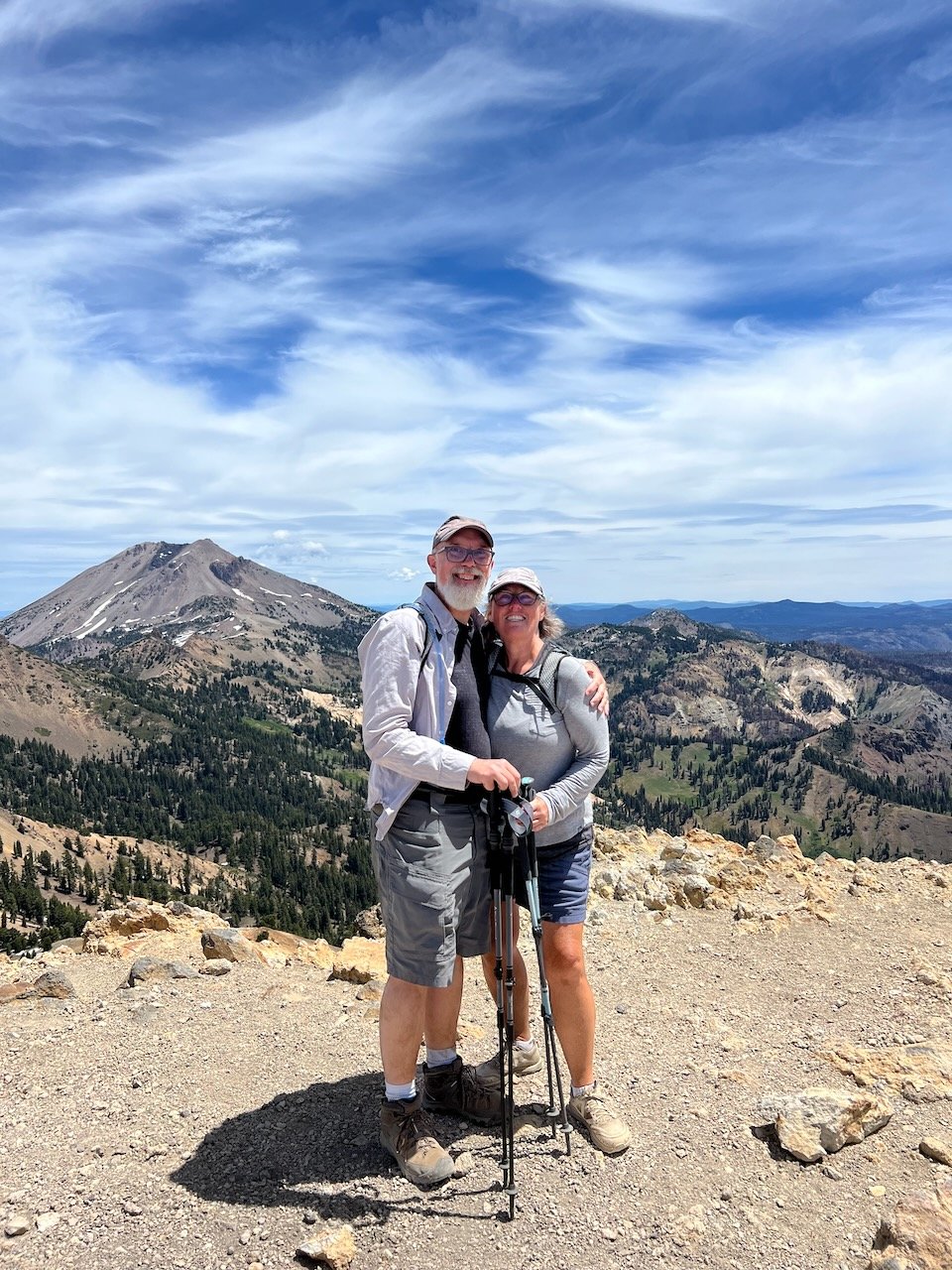
And then on the way down, I took picture after picture of the beautiful scenery. Mountain scenery. The kind of things I needed to store in my memory for the months at home hiking in the completely brown and dry hills near our house. The green trees, the colorful flowers, the mountain streams, the grand views.



But the very best thing happened at the very end of the hike, when we were only steps from the road. We stopped to talk to a hiker going up, and at some point I looked up the hill, and there was a bear. A black bear! Maybe 20, 25 feet off the trail, browsing through the greenery, munching away. A juvenile, probably - a young bear, but older than a cub - a teenaged bear! I could hardly believe my eyes.

Well, that made it a red-letter day for sure, and we rode that high for several hours afterward, through a pizza/salad dinner, and a dessert picnic on the bed in our pj’s.
Unfortunately, on Monday morning, we needed to head out of Chester before the neighborhood 5k fun-run and 4th of July parade began, so our journey home started early. We left the area with a promise to return (we still have more than half the park to explore!) and took off for home in a different direction, south towards Bucks Lake Wilderness, where we stopped for a hike around the lake to an inlet where we were able to dip our toes in the cold mountain water.

But our real reason for going home this direction was to drive through Berry Creek, north of Oroville, to see the aftermath of the 2020 North Complex Fire. Berry Creek was the home of our beloved Camp Okizu, a camp we have been attending as a family, and the kids on their own, for many years. Okizu is a camp for children with cancer and their families, and when Adam was diagnosed with leukemia at age 2, one of the first things our social worker shared with us was information about the camp. We went for the first time as a family when Adam was three (he was too sick that first year to attend). Thereafter, we attended family camp every year in the autumn. It was a wonderful time to share information and stories with other parents who had kids with cancer, and our children made lifelong friends at camp. When Adam was 7, he started attending for a week in the summer by himself. And the truly different and special thing about Okizu is that they run sibling camps, so Rin was able to start going by themselves at age 8 for a week every summer. So, three times a year, without fail, Tom and I made the drive up to Berry Creek; I would drop a kid off, he would go pick them up. Then the other kid a different week. Then all together as a family in the autumn. We LOVED it there. The kids with cancer could do anything anyone else did. There were doctors for those that needed medical assistance and golf carts for those with mobility issues. There was hiking, fishing in one lake, swimming and boating in another lake, a ropes course and zip line up the next hill, a campfire with s’mores and silly camp songs. The cabins were wonderful and the main lodge was the main meeting place, where we ate meals, played games, and made countless friendship bracelets. No devices were allowed. Hammocks and naps were encouraged. All of this was free to us and to every family that attended.
Okizu had many close calls with wildfire before, but in August of 2020, the North Complex fire ripped through the area north of Oroville and burned nearly 320,000 acres before being completely contained in December. Camp Okizu was totally destroyed.

We wanted to drive by, even though we knew we wouldn’t be able to go in and see the area where the camp had been. As we left Bucks Lake, and drove south towards Berry Creek, we got quieter and quieter. The scenery changed from verdant forest back to charred stumps. The North Complex fire was two years ago, so in contrast to the Dixie Fire area, the ground was beginning to recover with all kinds of bushy growth. That was good to see, but the scope of the damage was still overwhelming. The front gate of Okizu, once in the middle of dense forest, was now completely bare. Properties that had once contained houses were now empty except for a foundation, and often, a trailer. That, especially, gave me pause. After two years, families are still living in trailers. How can that be?


As if to add insult to injury, our drive out from camp took us past the Oroville Lake Reservoir, and the water level looked impossibly low. How strange, to be one day in territory where water is abundant and snow is still on the ground in July, and the next day in an area that is clearly drought stressed. The drought is never far from our minds at home, where water falling from the sky is an event limited to a month or two in winter; being at the reservoir underlined the need we feel for conservation of resources. Water management in California has a long and sordid history, and I’m not sure how we’re ever going to make it right again. Suffice it to say, between seeing the demise of Okizu with our own eyes, the results of two different enormous fires, and the low water level at Oroville, our hearts were heavy as we headed home from our vacation.
Luckily, a farmstand saved the mood. It may seem trite to say that peaches turned our world around, but the thought of peach pie for 4th of July dessert gave us a much-needed refresher, and when we saw the sign for fresh-picked fruit, you better believe we stopped to get some. The heavenly smell of ripe peaches, warm from the sun, accompanied us the rest of the way home.

A couple of final thoughts.
- We often desire to travel far from home, when something wonderful can exist just down the road. We’ve all been isolated at home for several years now, and a bit out of practice when it comes to leaving our comfort zone. A short trip to a location close to home can be the perfect bridge between that comfort zone and a more ambitious trip. I’m guessing that, no matter where we live, we all have regional, state, or national parks within a day’s drive of home. It’s worthwhile to get out and explore, even if it doesn’t seem exotic. A change of elevation, or microclimate, or even zip code, can be as refreshing and informative as a trip across the planet.
- While this trip was bookended by melancholy, and maybe that doesn’t seem like much of a vacation, the truth is that life is bittersweet. The older I get, the more I appreciate that true joy cannot be felt without a bit of sadness underneath. This is not depressing; on the contrary, it makes the joyful moments even sweeter. I am grateful to have a companion that is always up for an adventure, and likes to laugh, but also doesn’t shy away from the hard parts of life. Denial doesn’t enrich anyone, and it certainly doesn’t promote necessary change.
- Five years ago, I took one of my first classes at Merritt College with Stew Winchester, a true expert in native California plants and the communities in which they thrive. Stew would often share photos of the places he’d been and the flowers he’d seen, using slides and a vintage projector. He’d always ask, “Have any of you been to the Carrizo Plain? Antelope Valley? The Klamath River?” Most of us would shake our heads or dissent. Stew would look around with his eyebrows raised, and simply say, “You gotta go.” He was a firm believer in seeing these wonderful plants in their native environment, thriving in the perfect niche that nature had designed for them. I’ve never forgotten that. I’d like to think I’ve taken it to heart, and tried mightily to just “go,” to see, to learn, to experience, to feel. Being in Lassen checks another box for me, and encourages me to continue exploring. I hope you will, too.
*A famous quote by John Muir. “The mountains are calling, and I must go.”








Quisque iaculis facilisis lacinia. Mauris euismod pellentesque tellus sit amet mollis.