• About
  • Blog
  • Contact
  • Favorites
  • Archive
Menu

Poppy Corners Farm

Street Address
Walnut Creek, California
Phone Number
Walnut Creek, California

Your Custom Text Here

Poppy Corners Farm

  • About
  • Blog
  • Contact
  • Favorites
  • Archive

An Unwelcome Guest

August 24, 2016 Elizabeth Boegel

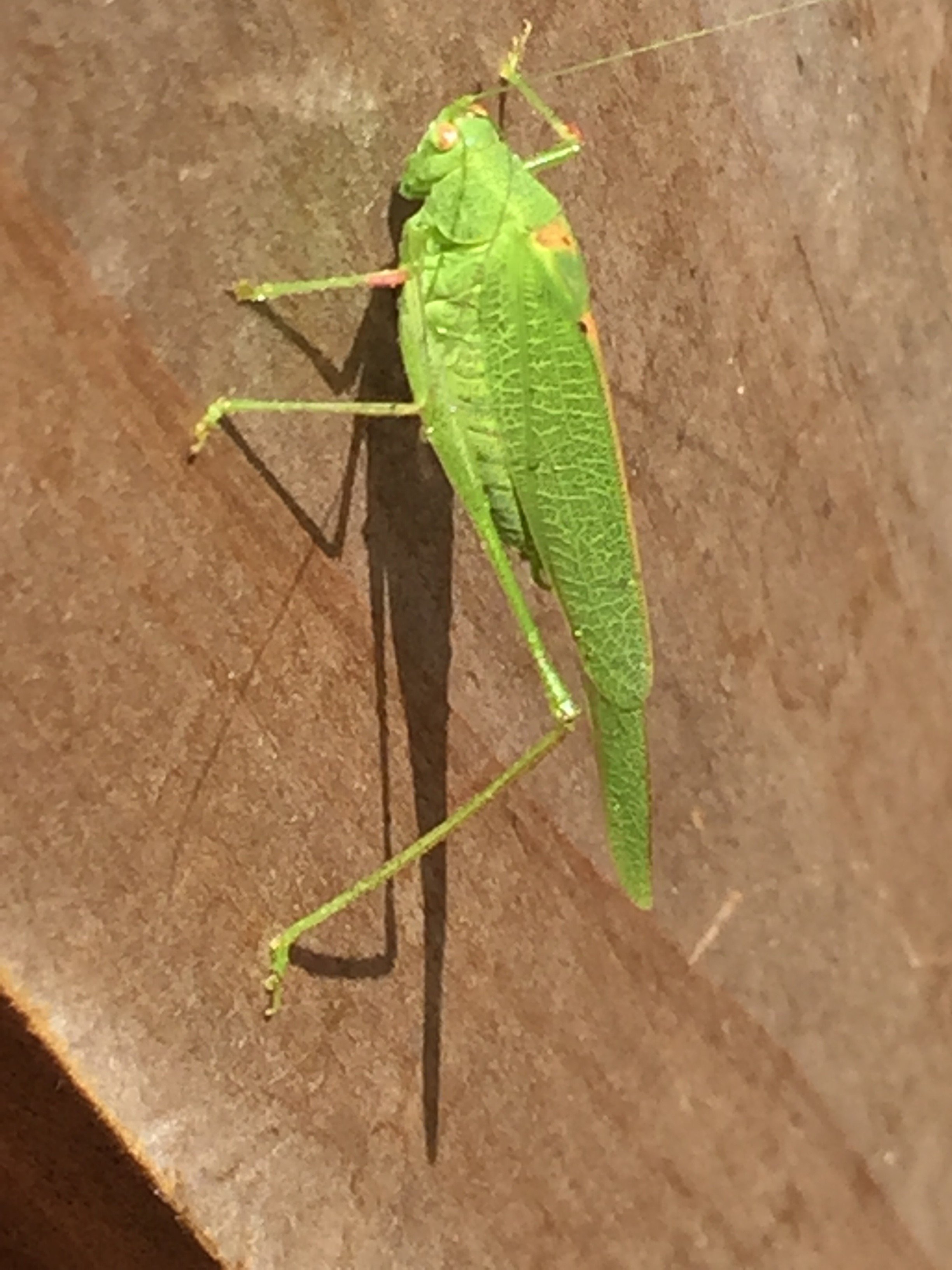
I've been seeing these guys occasionally in the garden. I figured it was some sort of grasshopper, but I wasn't sure what kind. So I did some research. Turns out it's a female Schistocerca americana or American Grasshopper or Bird Grasshopper. These guys can do a lot of damage to crops. But curiously, the ones I've seen (and there have maybe been three over the course of the summer) have all been green, and apparently nymphs raised under solitary conditions are green, whereas in a period of outbreak, they turn brown. So at least I don't have an outbreak.

I didn't eliminate this grasshopper, though I suppose I would be within my rights to do so. In line with my newish philosophy of 'just wait,' I shall give it some time. Let's see what creature shows up to prey on these grasshoppers. I imagine the millions of Western Fence Lizards I see in the yard might take care of them.
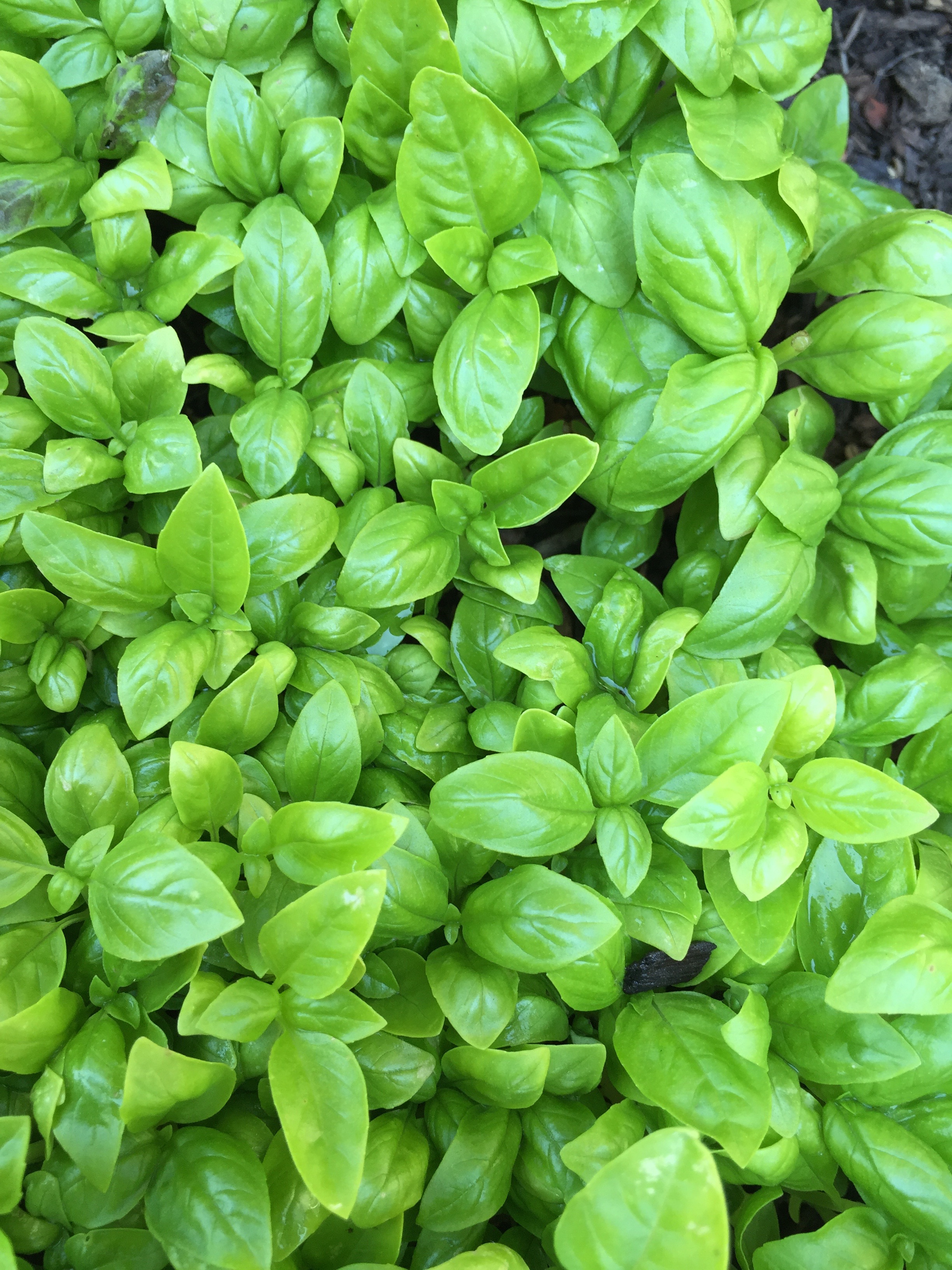
one of many basil plantings in the yard

one of many basil plantings in the yard

August is the time of year where not much needs to be done in the garden - it's all about the kitchen and preserving what comes in. We've had lots of cucumbers - Tom makes all kinds of pickles from these, and we enjoy those all winter. I eat a lot of cucumbers fresh, chopped with tomatoes, a little homemade red wine vinegar, a splash of olive oil, and a sprinkle of salt. We also really like tzatziki which is a good way to use up the thinner-skinned bush cucumbers. I did grow lemon cucumbers for the first time this year; I have to say they weren't our favorite, and the chickens have had the lion's share of those.

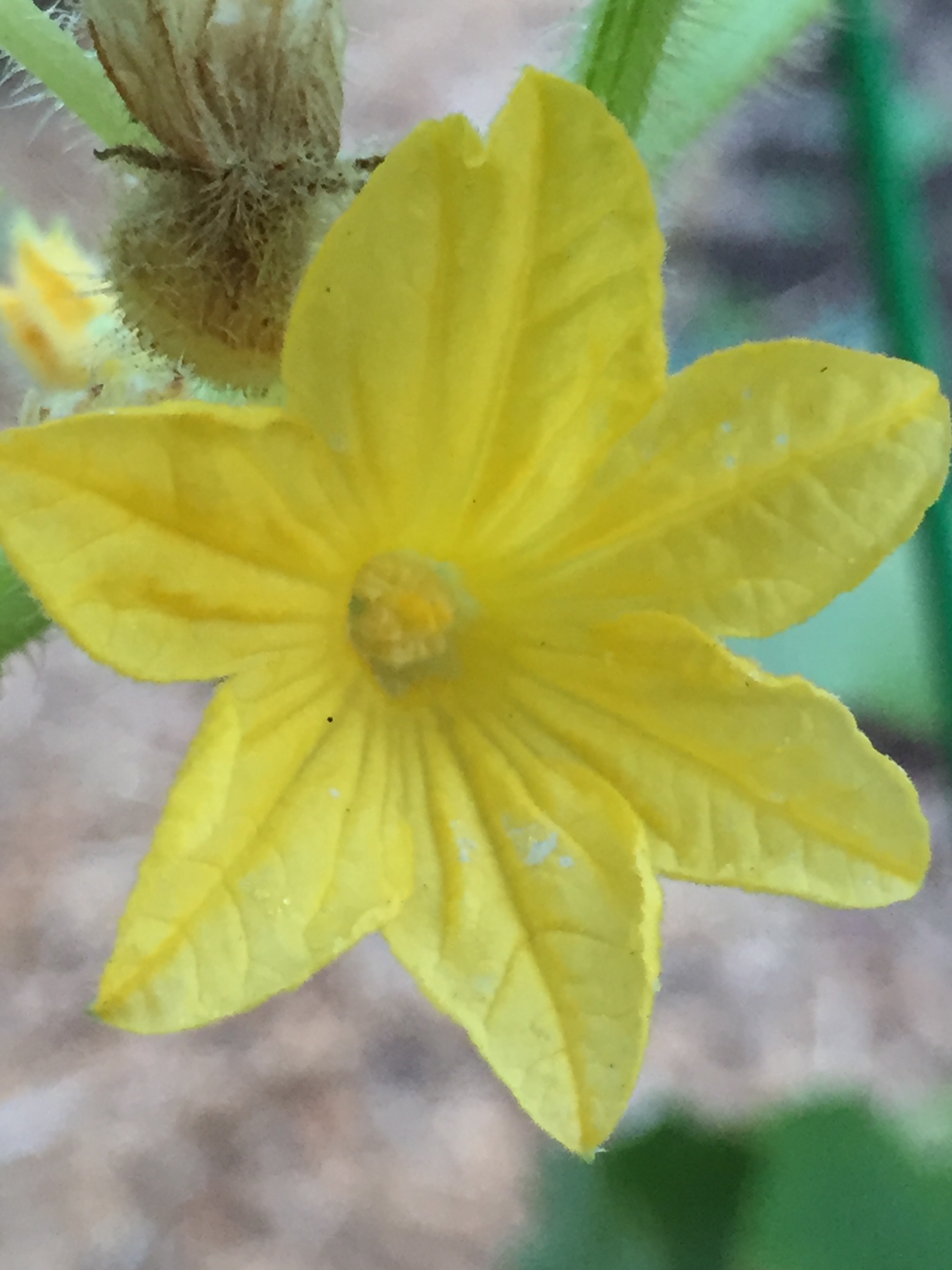
a bee in the cucumber blossoms

a bee in the cucumber blossoms

At the moment I am in a tomato 'lull' - lots of green ones on the vines, but not a lot ripe. I sure did get a lot at the beginning of August, so I can't complain. The cherry tomatoes are still producing, as always. I expect my tomatoes to go along just fine until November, unless we get an early frost (unlikely) or I finally rip them out to put in the winter garden.

Speaking of the winter garden, I've already got my onions in the ground. It's quite early, but I put them in a cooler spot in the garden and I hope they'll do well there. 

I also ripped out the pole beans. This year, I grew Missouri Wonder, and I didn't like them at all. First of all, half the foliage was always yellow.

Or brown and dead.

Plenty of flowers, plenty of fruit, but the beans went from tender to tough in (what seemed like) a 24 hour period. I like tender beans, not stringy. I think next year I might go with bush beans rather than pole and see if that's better. 
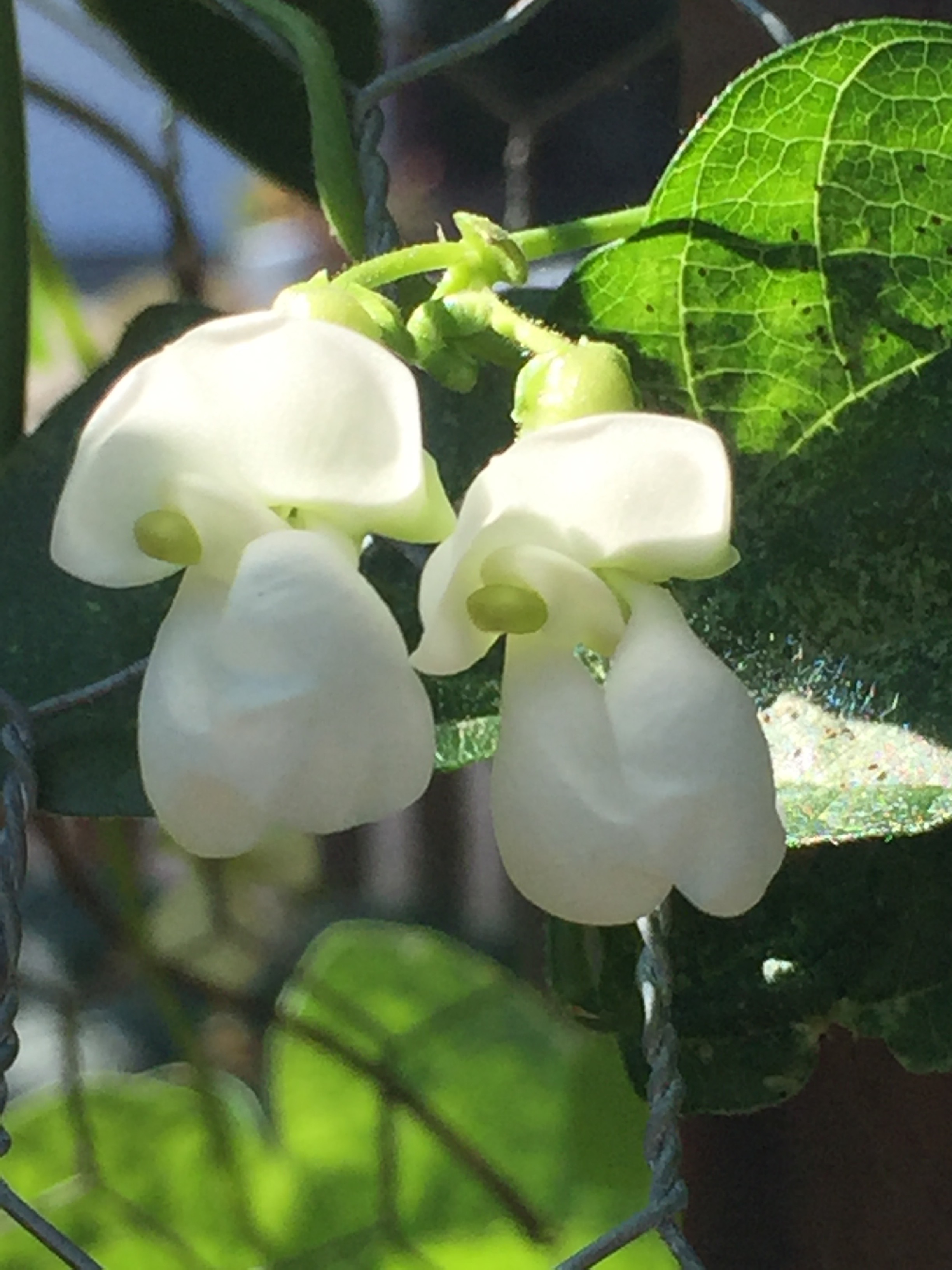
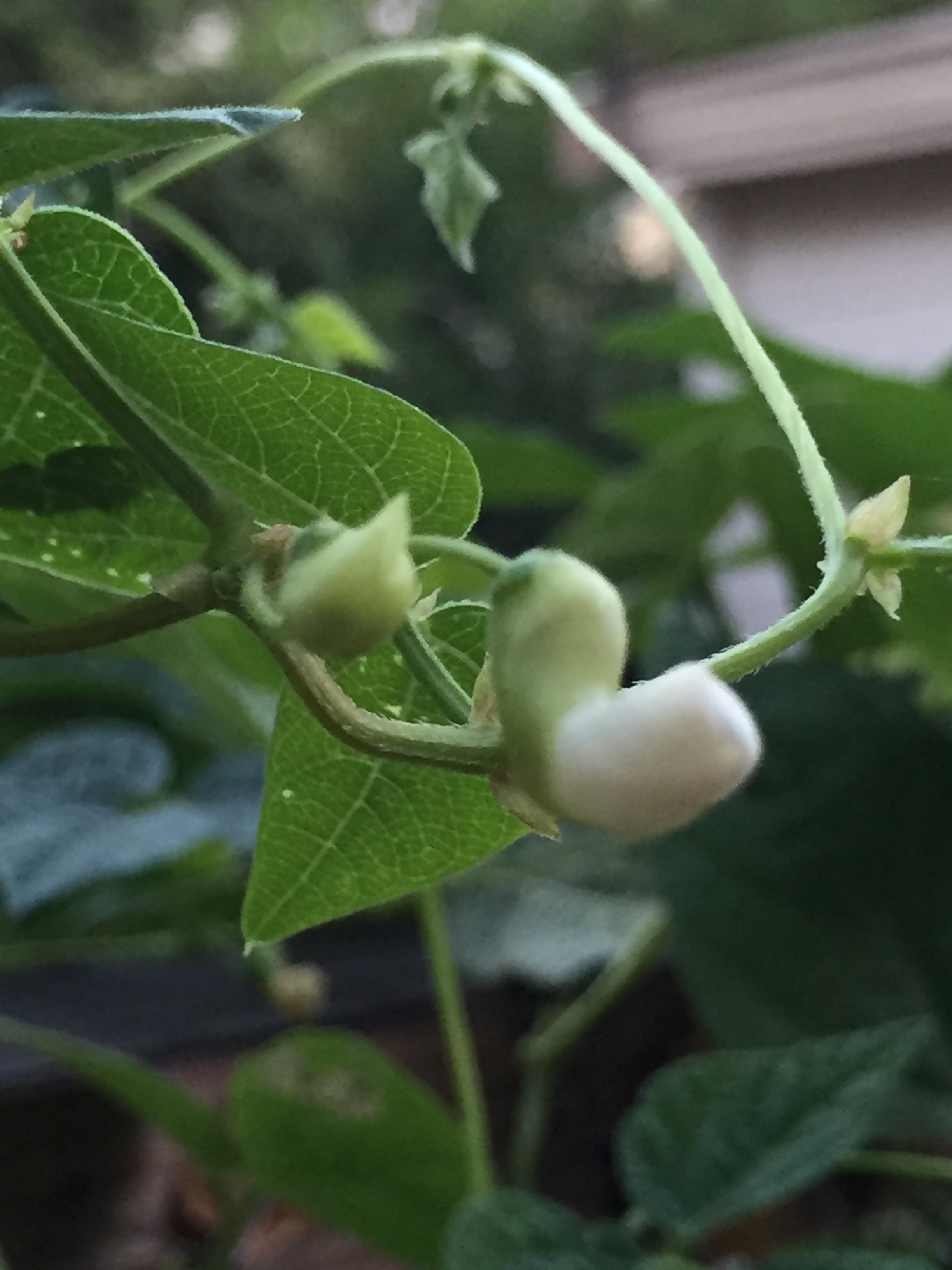
pretty bean flowers

pretty bean flowers

In place of the beans, I planted snap pea seeds. It might be too warm to start them, but I thought I'd give it a go.

Elsewhere in the garden, the gourds are delightful to look at.
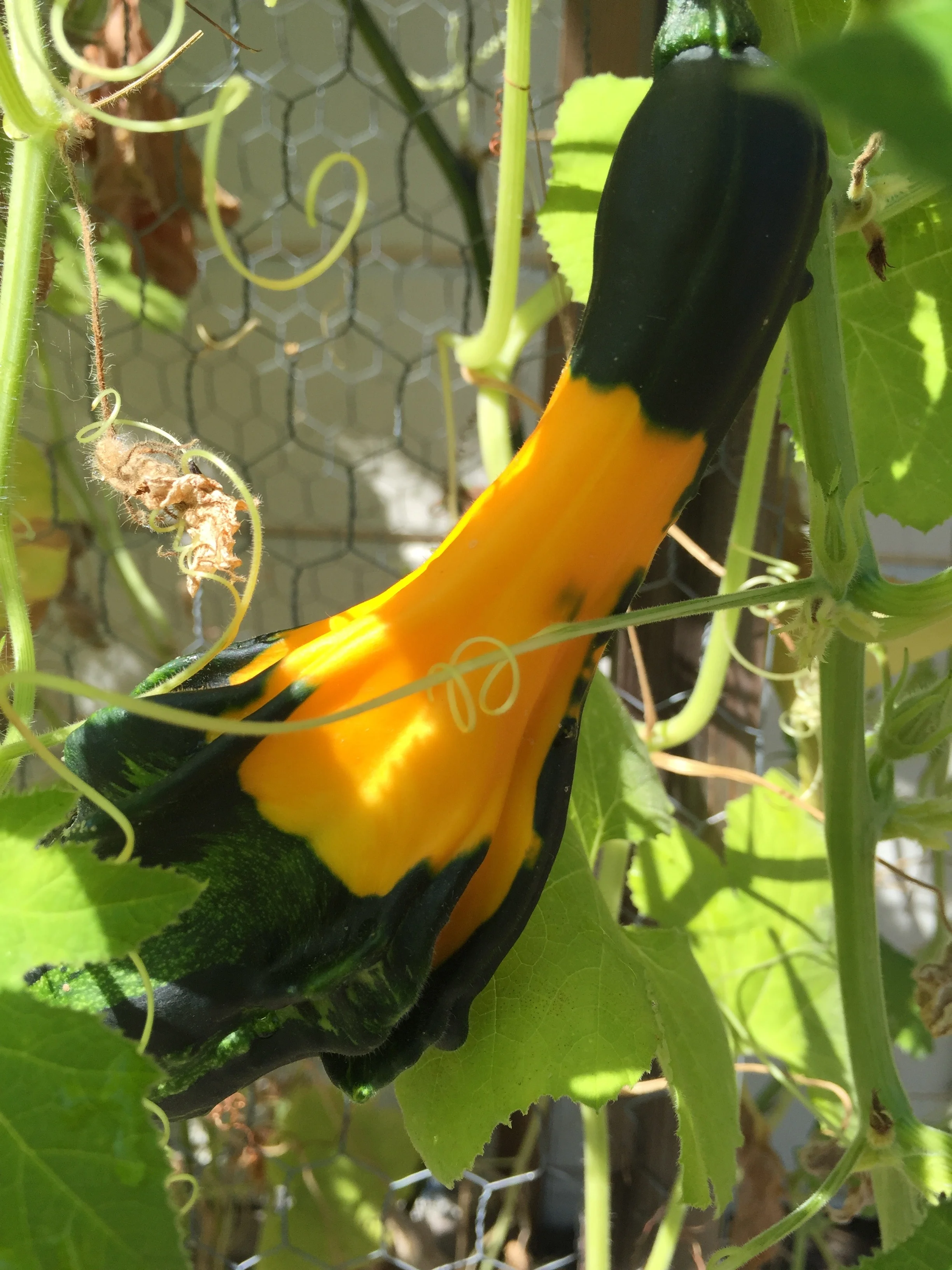
The pumpkins are all doing nicely, too. And the winter squash has overcome powdery mildew, and is starting to fruit.
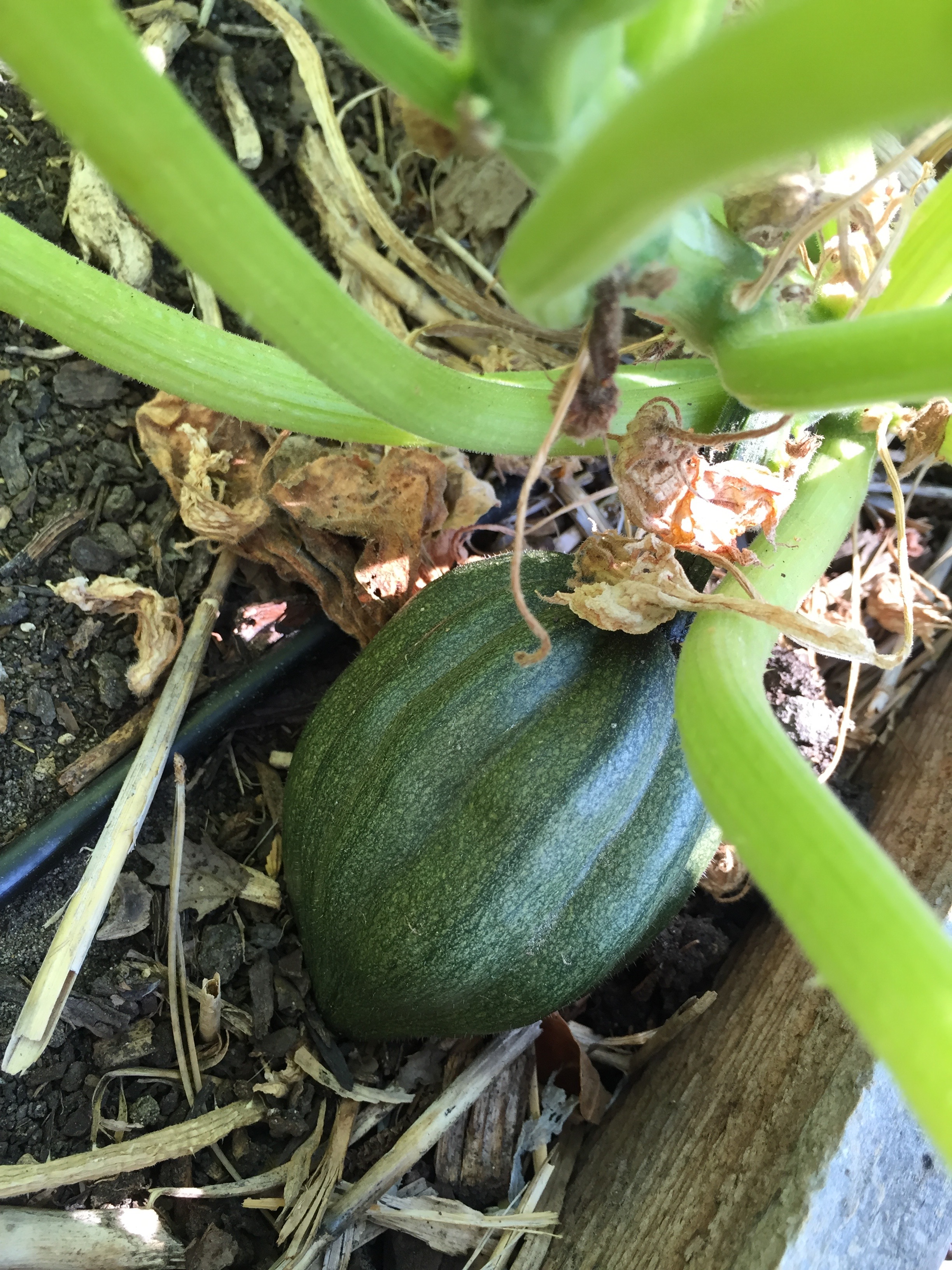
acorn squash

acorn squash

delicata squash

delicata squash

And we're still getting peppers, both sweet and hot. Tom made his first 2016 batch of hot sauce using Jalepeno and Maule's Red Hot, and he also pickled a jar of Jalapenos. I planted many more plants last year and we had more peppers than we knew what to do with, but this year I only planted one of each of three kinds, and we're finding we don't have as many as we would like. Somewhere in the between is the right amount. I've frozen several batches of roasted sweet peppers for winter meals, and we've eaten plenty fresh in fajitas. 

Chocolate Bell, still green

Chocolate Bell, still green

I think next year I'd like to try a sweet red frying pepper like 'Carmen.' I love Jimmy Nardellos and I grow them every year, but they are very thin and small. I'd prefer something larger. Any recommendations?

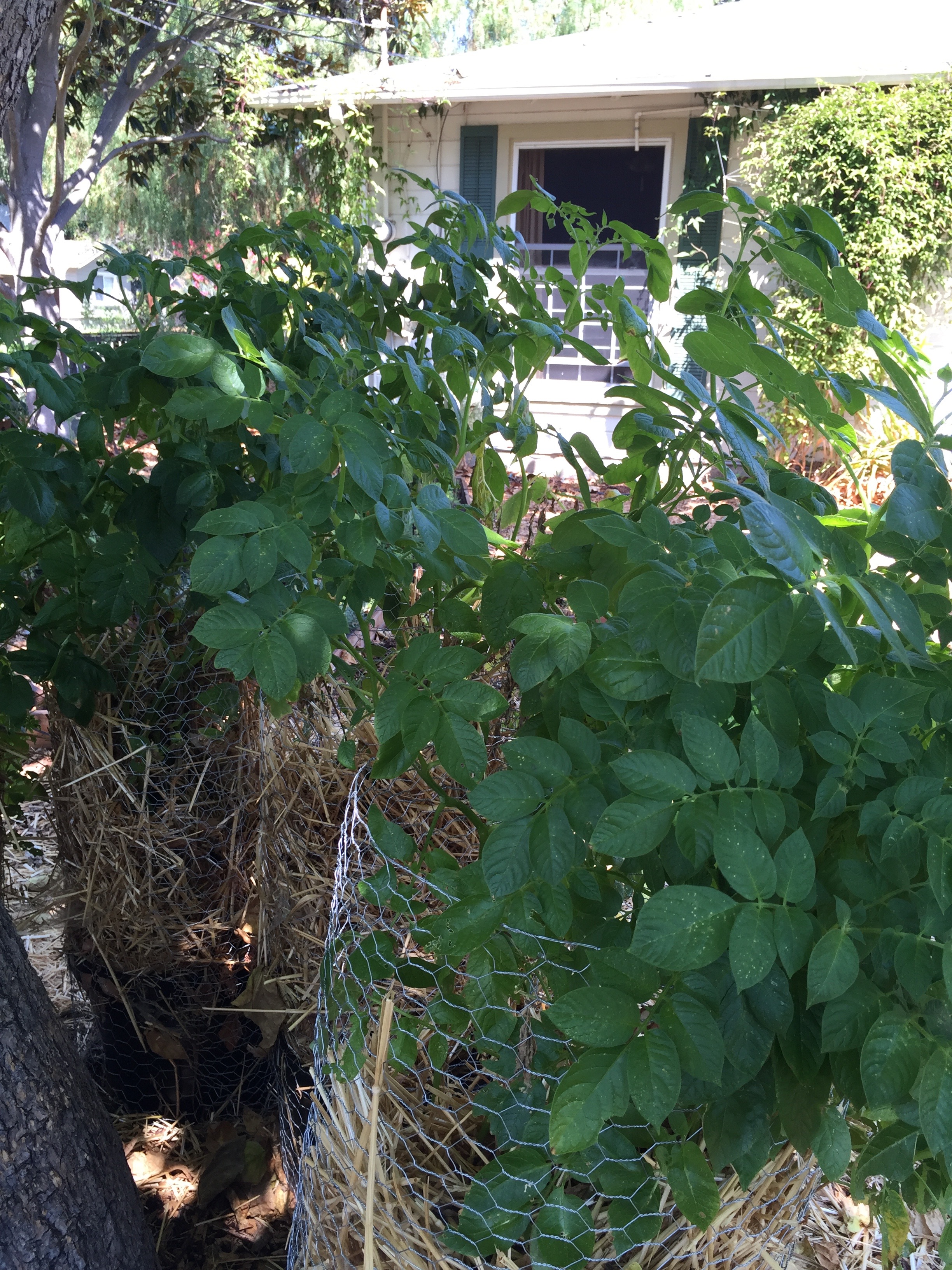
The potatoes are going gangbusters, I have five kinds growing in pots in the shade of the chitalpa tree. I'm starting to notice some yellowing leaves, so it won't be long now till we have a harvest. 
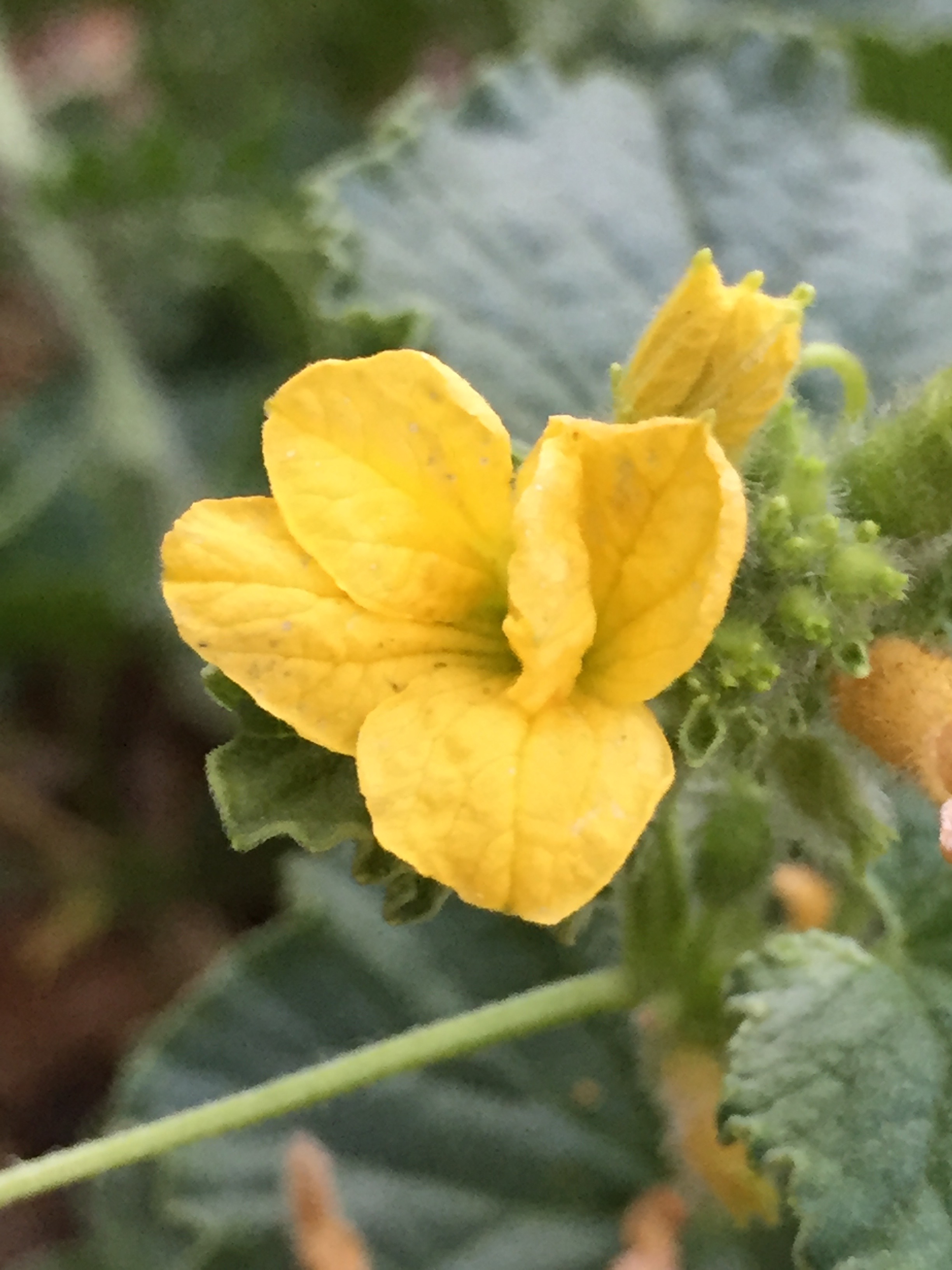
And it's also time for melons. I've been harvesting very small cantaloupes for weeks now (delicious, but tiny - this variety was 'Sweet Jenny' so I'll try something bigger next year), and the watermelons are getting big. But the watermelon stems have not withered yet, and that's how you know your it is ready, so we'll have to wait a while longer. Sigh.

can you find the bee?

can you find the bee?

Our son Adam has begun his first year of High School, and our daughter Kate begins her 8th grade year at a brand-new charter school next week.  You may remember that I resigned my job working with autistic kids, and wanted to find something to do outdoors, or somehow in nature. I've applied for all kinds of jobs and am waiting to hear. The French Laundry is advertising for a farm hand, which makes my heart swell, but I don't think I can commute all the way to Napa every day. That would very definitely NOT be sustainable. :) A reservation might make it almost worth it.

Tags fruit garden, herb garden, vegetable garden, insects, pests, IPM, tomatoes, peppers
Comment

National Honey Bee Day 2016

August 20, 2016 Elizabeth Boegel

Happy Honeybee Day!

Here's two simple things that ANYONE can do to help both honeybees and native bees:

- don't use pesticides of any kind

- plant flowers

Easy!

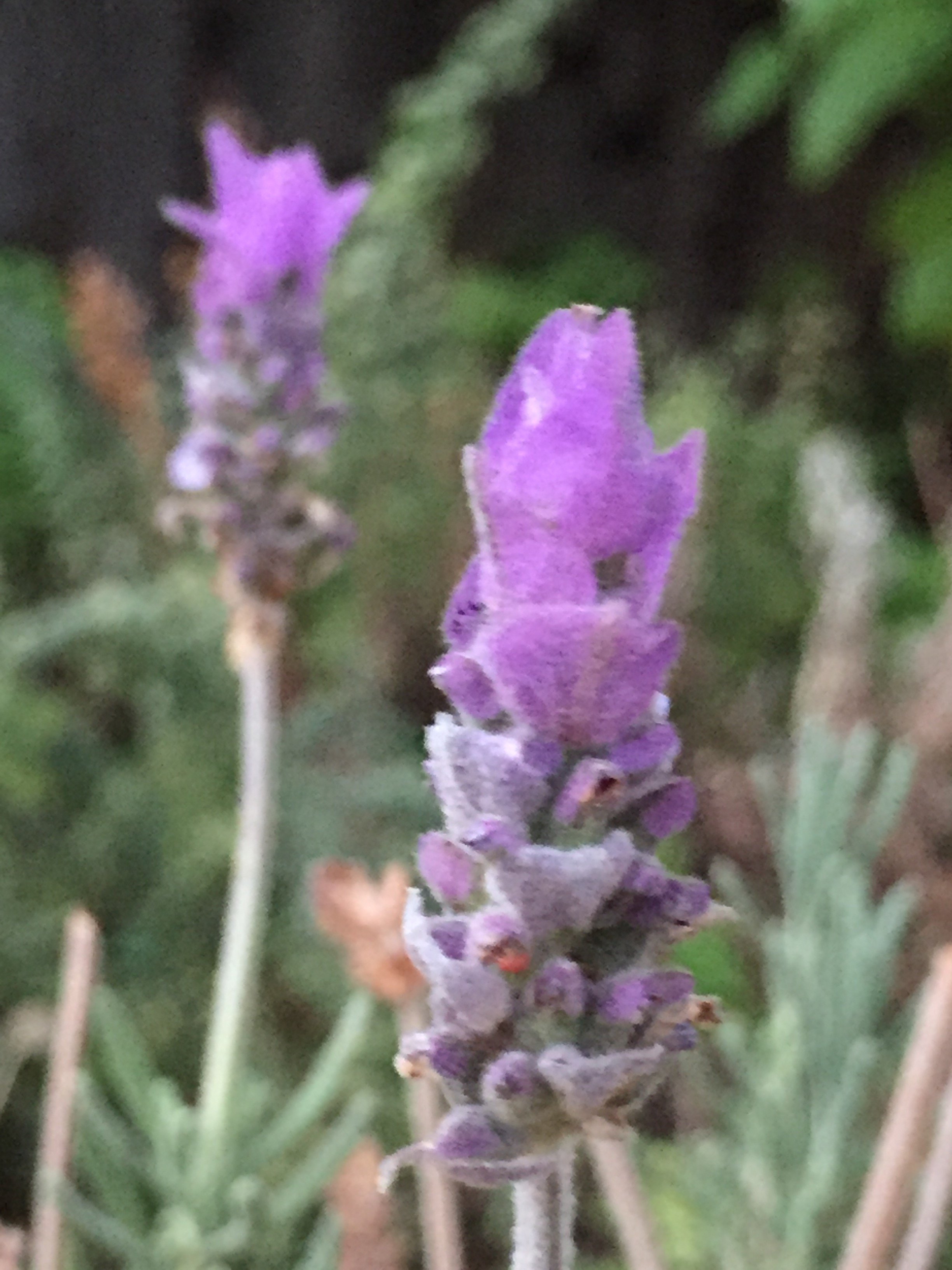
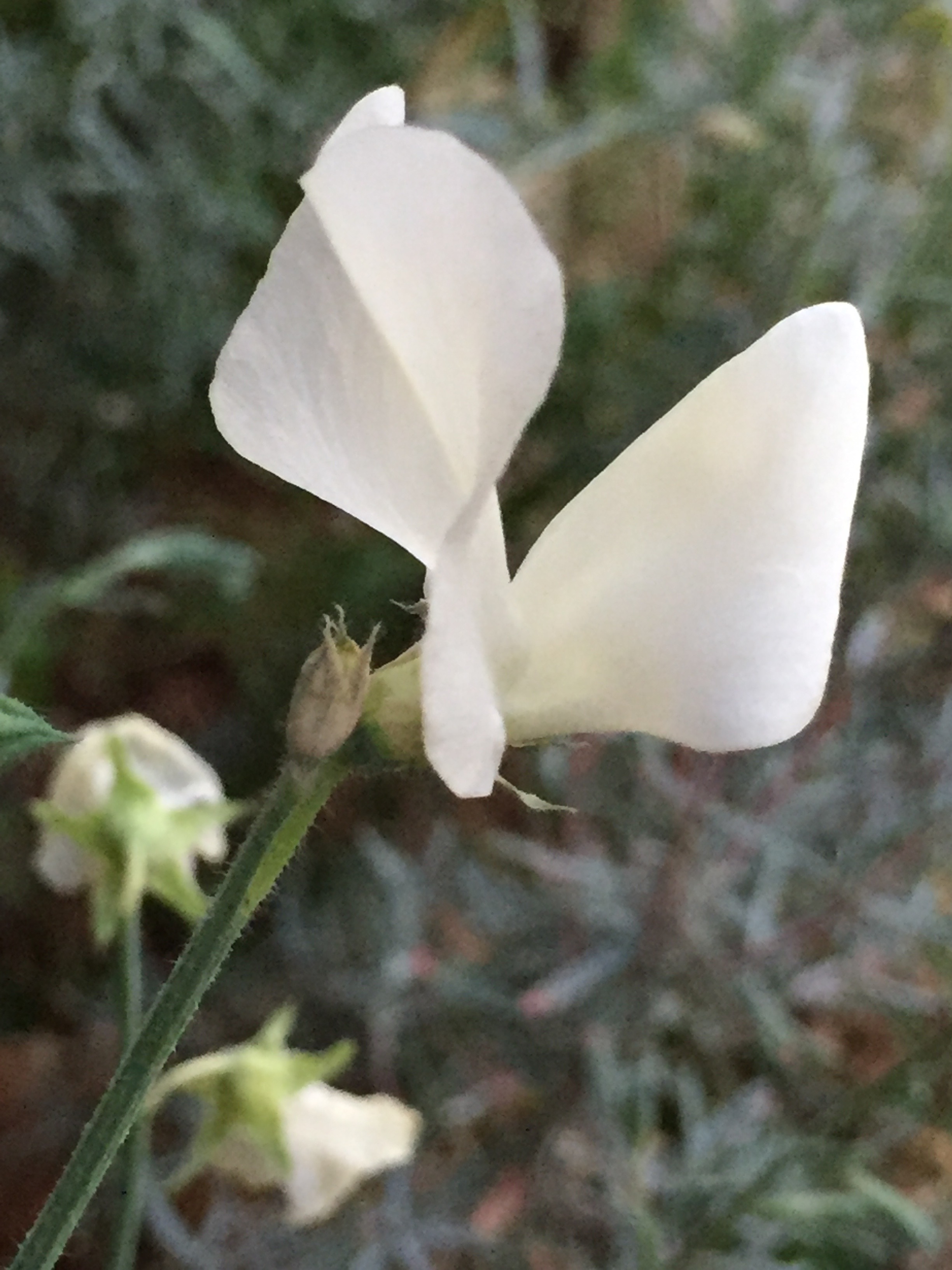
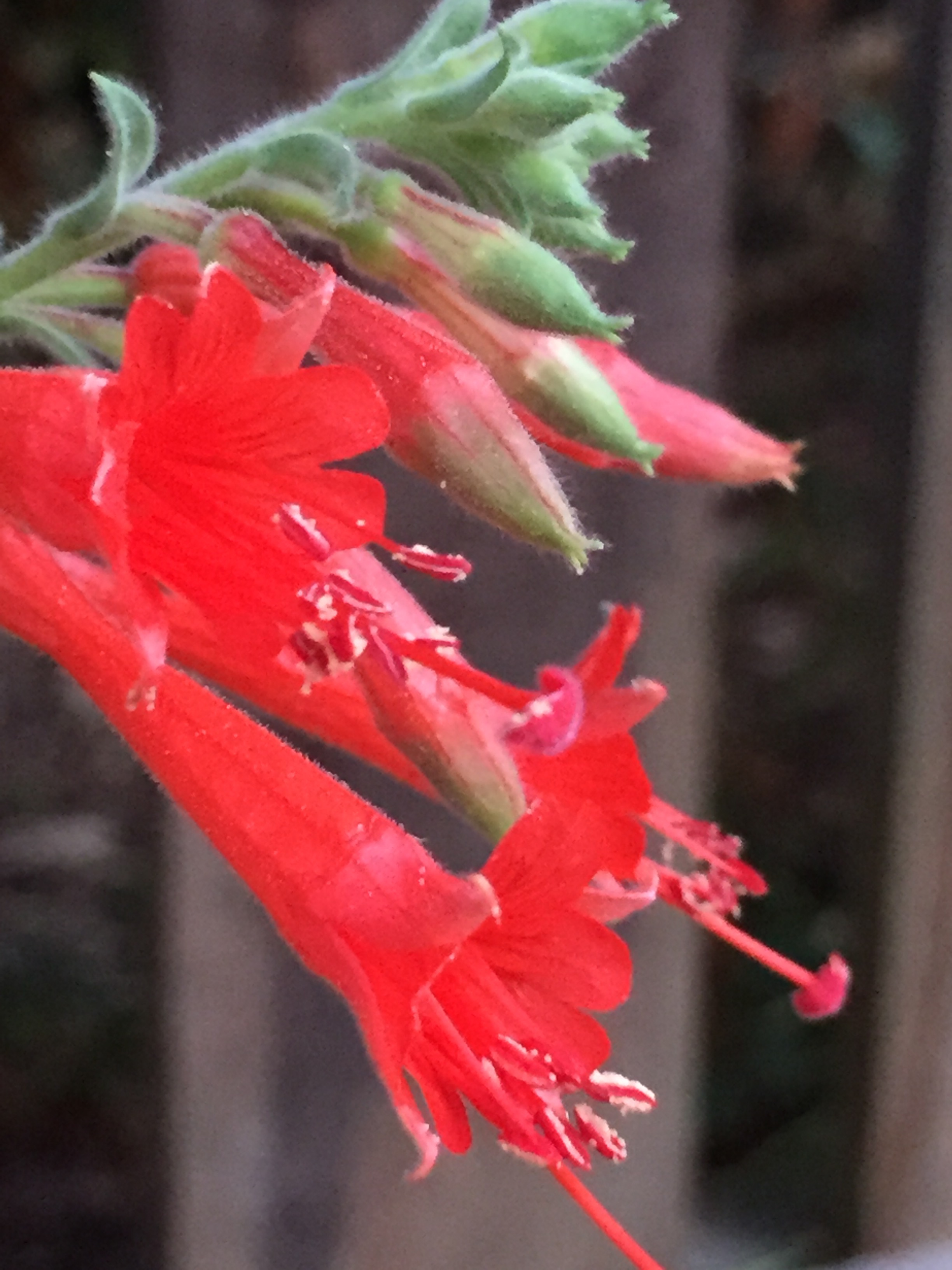
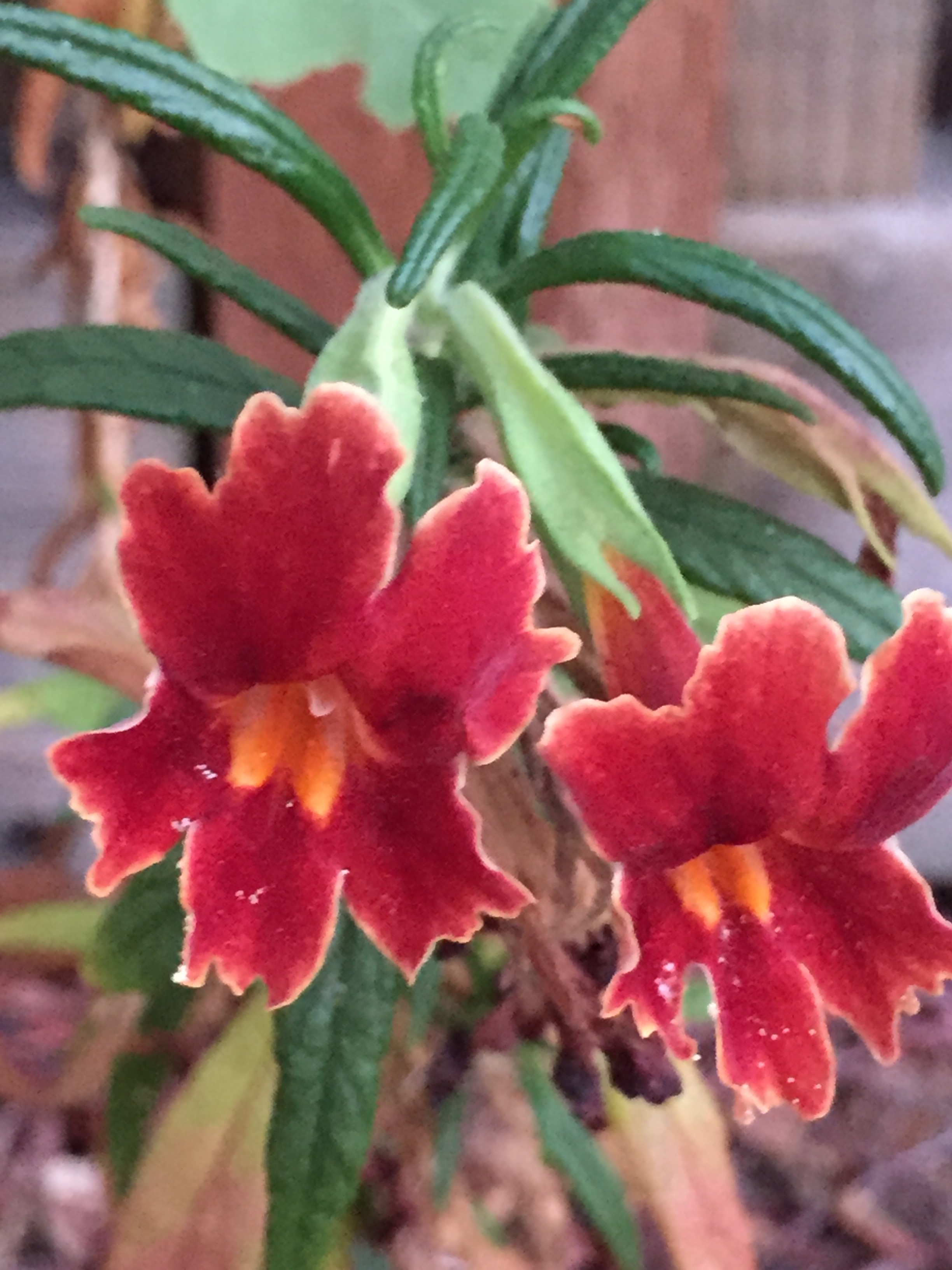
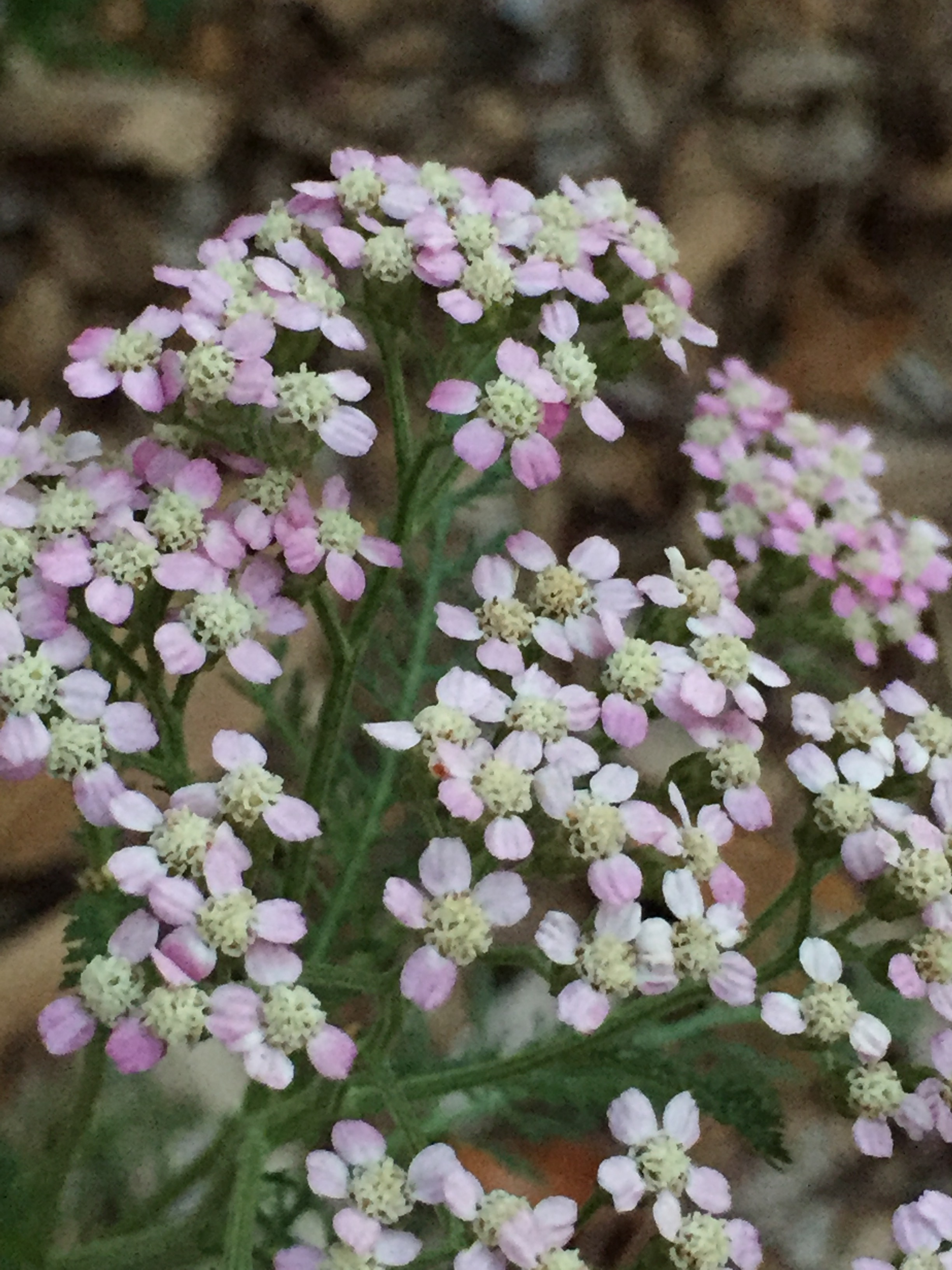
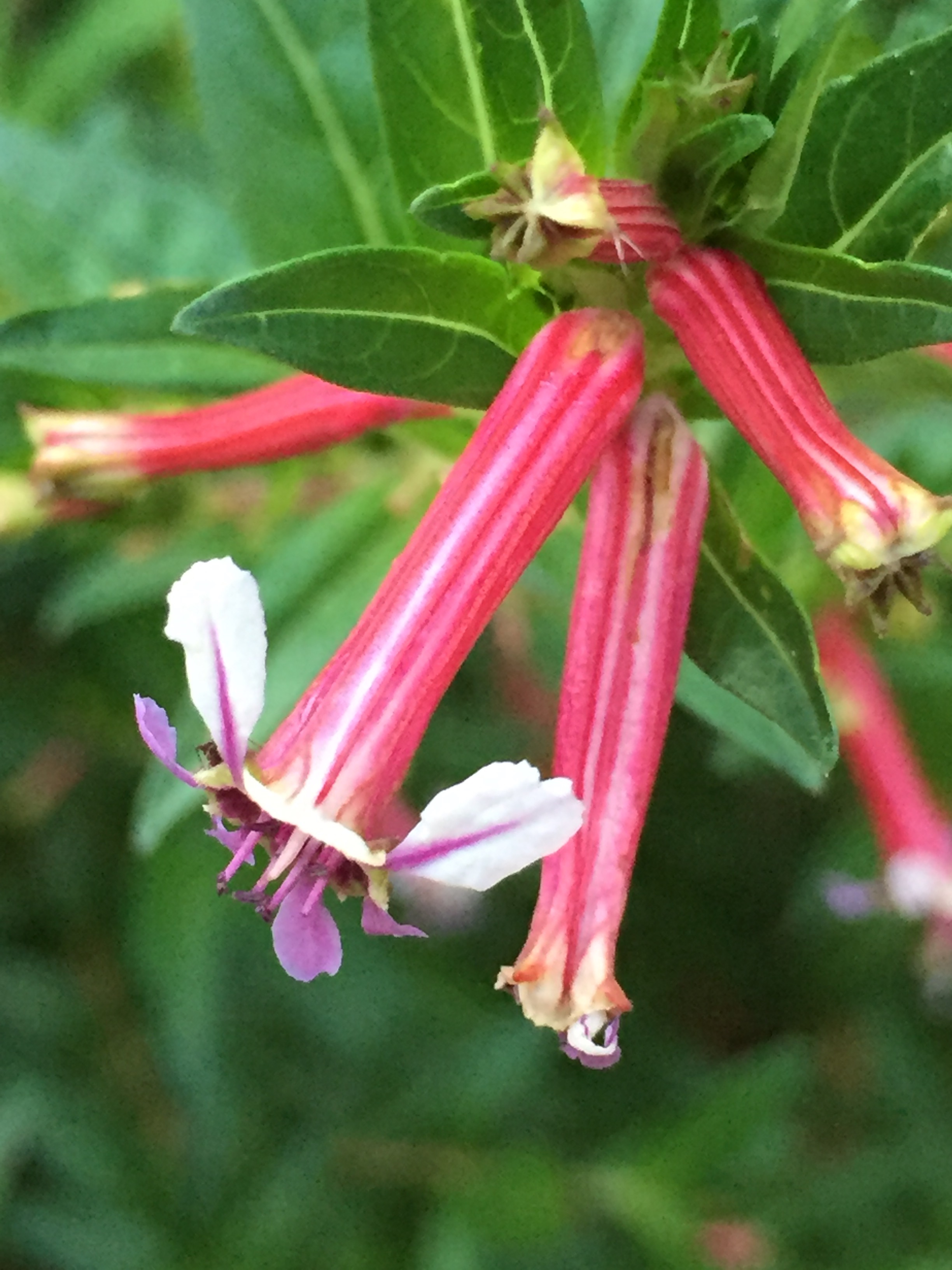
In celebration, I thought I'd post pictures of all the flowers that are blooming in my yard right now. I have several varieties of most of these flowers. Conservatively, I'd estimate that there are around 60 different types of flowers blooming, August 20, 2016. August is generally a time of dearth here in Northern CA (actually, anything outside of February thru May is considered a dearth here because of lack of rain), so I am proud that I have so many things available for pollinators. Many of these are natives, but many are drought-tolerant, and some are just regular flowers found all over the world. Since I give supplemental water, they are able to bloom now. I assume most folks are watering their lawns (I see evidence of it all around me), so instead of watering lawn, I water these flowers, vegetables, and herbs - and it takes far less water to keep them looking pretty.

Here's a slideshow:

IMG_1656.jpg
IMG_1655.jpg
IMG_1654.jpg
IMG_1653.jpg
IMG_1652.jpg
IMG_1651.jpg
IMG_1649.jpg
IMG_1648.jpg
IMG_1647.jpg
IMG_1646.jpg
IMG_1645.jpg
IMG_1644.jpg
IMG_1643.jpg
IMG_1642.jpg
IMG_1641.jpg
IMG_1638.jpg
IMG_1636.jpg
IMG_1635.jpg
IMG_1634.jpg
IMG_1633.jpg
IMG_1632.jpg
IMG_1631.jpg
IMG_1629.jpg
IMG_1628.jpg
IMG_1627.jpg
IMG_1626.jpg
IMG_1625.jpg
IMG_1624.jpg
IMG_1623.jpg
IMG_1621.jpg
IMG_1620.jpg
IMG_1619.jpg
IMG_1618.jpg
IMG_1617.jpg
IMG_1616.jpg
IMG_1614.jpg
IMG_1612.jpg
IMG_1611.jpg
IMG_1610.jpg
IMG_1609.jpg
IMG_1608.jpg
IMG_1604.jpg
IMG_1607.jpg
IMG_1606.jpg
IMG_1605.jpg
IMG_1602.jpg
IMG_1601.jpg
IMG_1600.jpg
IMG_1599.jpg

The benefits of having lots of flowers available for the bees are many, but here's just two.

Tags bees, bee plants, flower garden, herb garden, vegetable garden
Comment

UC Davis Backyard Chicken Study

August 17, 2016 Elizabeth Boegel
Fresh eggs from our chickens

Fresh eggs from our chickens

Today, I had two visitors here from the University of California Extension Service: Dr. Richard Blatchford, and his assistant, Margaret. There's plenty of research about large chicken productions, but not a lot regarding small backyard flocks - so that is their focus. They spent close to two hours in my garden and I learned so much from them!

First Richard and Margaret suited up in booties and coveralls, to protect my chickens from the other poultry they'd seen earlier today. Next, they weighed each chicken and inspected them for mites, lice, lesions, injuries, etc. Then, they took the measurements of our coop. Throughout the entire process, I was able to ask questions about husbandry and the pecking order and hot weather and bringing in new chickens etc. I had a lot of questions! And Richard and Margaret were so patient and answered every single one, and then some. 

First, the good news - all five of our chickens are quite healthy - no parasites, no weight issues, no injuries or lesions, no diseases. Many of them are getting pecked, but none of them so badly that they are in danger of being hurt. This all relieved me very much. 

Margaret taking notes as Richard inspects a chicken

Margaret taking notes as Richard inspects a chicken

I watched in wonder as Richard handled the birds, firmly but gently, and they were instantly calm in his arms. He inspected every inch of them and they let him. Turns out a few of our birds are molting right now, or just beginning a molt, so there were a lot of flying feathers, but the whole process went very smoothly.

I was reassured that keeping the birds in the coop is just fine, as they have plenty of room. The pecking order problems are likely exacerbated by their confinement, but some of that would happen anyway. Richard told me that letting our chickens free-range would end with a decimated garden (as suspected), plus, chickens can jump without using their wings easily to six feet (!) so even if we clipped their wings, they could cause problems in our neighbor's gardens. Also chickens carry salmonella, so there is a possibility that if they roamed our garden, our produce (which we of course eat) could be contaminated. It's a small possibility, but everything Richard said helped bolster my decision to keep the chickens confined to their roomy coop.

How's the bum?

How's the bum?

I was told that it's unlikely that it would ever be cold enough here to harm my birds, but that the heat can be a problem; however our chickens had enough shade (which I was wondering about) and Richard was not worried. It IS ok to mist chickens, or even dunk them in cool water, he said, as long as they have time to dry out before nighttime. This can be done if they seem under extreme heat stress (which is indicated by panting AND spreading out their wings). Luckily our cool nights (which we tend to get all but the hottest part of summer) help in that regard quite a bit.

I learned that my habit of giving them sunflower seeds is like giving them candy, and that they should be used very sparingly, as well as anything like 'scratch.' Garden scraps and peelings are ok, although in small amounts (too much greenery causes them to have a sort of water imbalance, causing diarrhea). A little every afternoon sounded ok. No dairy of any kind, so our practice of giving them leftover yogurt isn't good either. (Apparently birds have not evolved to be able to eat dairy.) And a little fish is ok, but a lot will make the eggs taste fishy. 

Measuring the coop

Measuring the coop

We talked about whether or not to cull old birds from the flock (Richard did not give any opinion, but he did say that many of the chicken keepers he's visited do this). A very common age for a chicken to reach is 10 years old, and they stop laying after 3, so you can see why this is a common question. Richard also gave me his tips for bringing new birds into the flock - which should be done extremely cautiously and with a long getting-to-know-you period. We also discussed whether chickens are racist (he didn't deny that it often looked that way).  

Both Richard and Margaret said I should be using a dedicated pair of shoes when I go in the coop, and not to use those elsewhere in the yard or house. They also stressed washing hands before and after visiting the coop (I always do after, but don't always remember to do it beforehand). If there are a lot of people visiting, like a farm tour, they thought I should have a little dish of antiseptic for folks to step in, before entering the yard.

The chickens last spring, searching for bugs in a pile of leaves I brought in

The chickens last spring, searching for bugs in a pile of leaves I brought in

Margaret confirmed that you shouldn't wash the eggshells unless you absolutely have to, and then right before eating them (I honestly never wash them), and that it's ok to leave fresh eggs out on the counter for up to two weeks, though refrigerating them just after collecting them is fine too. 

The way UC extensions work is that our agents are there to help us. Richard stressed that this goes for all backyard chicken keepers in California (and if you're in another state, there is a land-grant college with a similar system in place for you, too). I asked if I could share these resources on the blog and Richard's answer was an emphatic 'yes.' So here they are. 

And here's what he checked the chickens for:

If you have a backyard chicken flock in California, I highly recommend being a part of this study. This is the way an awful lot of science progresses - someone decides to do a study, they get willing participants, and then the results are published, and everyone gets smarter. Just call the number listed for Richard above - they'll set up a time to come meet you at your house.

Here's to Happy Hens!

Tags chickens, coop
2 Comments

Trap Crop/Tomato Paste

August 14, 2016 Elizabeth Boegel

Above is a bed I had originally planted to cucumber. Not all of the plants germinated; therefore I went ahead and planted cucumber seeds in other places in the garden (and oh my we can't keep up with them!), and added collards to this bed. I hoped to have both crops do well in this place, but the cucumbers grew far faster and the collards never got enough height. However, I left them in place for quite a while, because I noticed something:

Can you see them? This collard's stem is covered in aphids. Here's a closer look.

Yuck. I am not a fan of the aphid. However, I am very pleased that these collards became something called a 'trap crop' for the little buggers. 

Trap Cropping is a part of Integrated Pest Management, or IPM for short. What is IPM? Here, let UC Davis (our agricultural giant of a school about an hour north of us) explain: "IPM is an ecosystem-based strategy that focuses on long-term prevention of pests or their damage through a combination of techniques such as biological control, habitat manipulation, modification of cultural practices, and use of resistant varieties."

The bottom line is, you can't keep aphids, or other plant-eating insects, out of the garden. It's not like you can put up an insect fence. So how to manage them? IPM is a great defense.

As I've written about before, in the last year or so I've started simply doing nothing but waiting and watching, because pest insects in turn attract predators that will feed on them. In the time since I adapted this philosophy, I've seen numerous stages of ladybug around, from nymphs to larvae, which are voracious predators of aphids; and lately I've been seeing dozens of mantids in every growth stage as well, and the lizards have been reproducing like mad, if seeing baby lizards at every turn is any indication. If I poisoned the aphids, these predators would not come to eat them, and the balance of the garden would be upset. I want my own little 'Wild Kingdom' playing out in my garden. (I'm hoping garden snakes will be next. I could use some snakes around here.)

Another approach is trap cropping. Instead of planting a whole bed of broccoli, for instance, knowing that aphids are attracted to brassicas (like my collards), why not plant a few in various areas of the garden? Why not plant more than you could possibly eat? That way, a few of those plants can become 'sacrificial' plants. The aphids will attack some, but most likely not all; if you leave these plants with aphids in place, they will hopefully stay contented with their patch of broccoli and stay out of other plants.  

This is what happened with my collards, though I can't say I did this on purpose. It was a happy accident. I care more for cucumbers than collards. I care more for the nearby romaine lettuce than I do collards. The collards became a sacrificial plant so that I could enjoy my lettuce and cucumbers bug-free.

Today, I decided to pull the collards up as they had served their purpose. I collected them and threw them to the chickens, therefore insuring the birds of some extra protein, and therefore the aphids served yet another purpose.

I'll be using trap cropping on purpose in the winter garden. I'm done with planting just one crop in each bed - the insects just find that one crop they like and decimate it. Each bed will be a hodgepodge of different plants, hopefully insuring that at least some of each crop will make it to harvest. 
The only place I don't have to worry about this is with garlic, onions, and herbs. The plant-sucking bugs such as aphids tend to leave the smelly stuff alone.

In other news, my new food mill arrived. After reading many reviews, I got one made by Oxo. It comes with a bowl that has three folding legs, the crank and shaft, and three different discs for different sizes of milling - fine, medium, and coarse.

It cost just under $50 at Amazon and is incredibly easy to use. I didn't even have to read directions to put it together, unlike my other fancy food mill which was like an engineering project every single time I used it. Best of all, all the parts are dishwasher safe. 
I processed 8 pounds of tomatoes into tomato paste, using the fine disc on my new mill. It was time consuming but very easy. The crank turned easily. I decided to dry the tomato paste outside in the 100 degree sun, and it took just one afternoon.

I added absolutely nothing to the tomatoes, and I wish so much that I could describe the taste of the finished paste. I've read in cookbooks, by authors whose recipes and skills I respect so much, that the flavor of homemade paste is inferior to what you can buy at the store. I could not disagree more. The taste is like the pure essence of summer tomato. It's sweet, and yet it has that bite of acid, and a hint of smokiness (from what? I don't know), and it's rich, rich, rich. By far the most delicious tomato product I have ever made. 

However, those 8 pounds of tomatoes made only 18 cubes for the freezer. So it's a luxury.

I figure I won't use these for recipes that call for two cans of paste or whatever. Rather, I'll use them when a recipe calls for a couple of tablespoons. There, this homemade paste will shine. 

When our daughter Kate was oh, about ages 5-8, one of her favorite things to eat was tomato paste. I'd open one of those little cans for her and she'd eat it with a spoon. I thought it was the strangest thing, and yet at the time, we were so glad she liked any kind of produce at all! Think of all the vitamin C and A she was getting at the time! How I wish I had been making this homemade paste then. This is pure summer in a cube.

Tags preserving, tomatoes, insects, pests, IPM
2 Comments

Rolling Along

August 12, 2016 Elizabeth Boegel
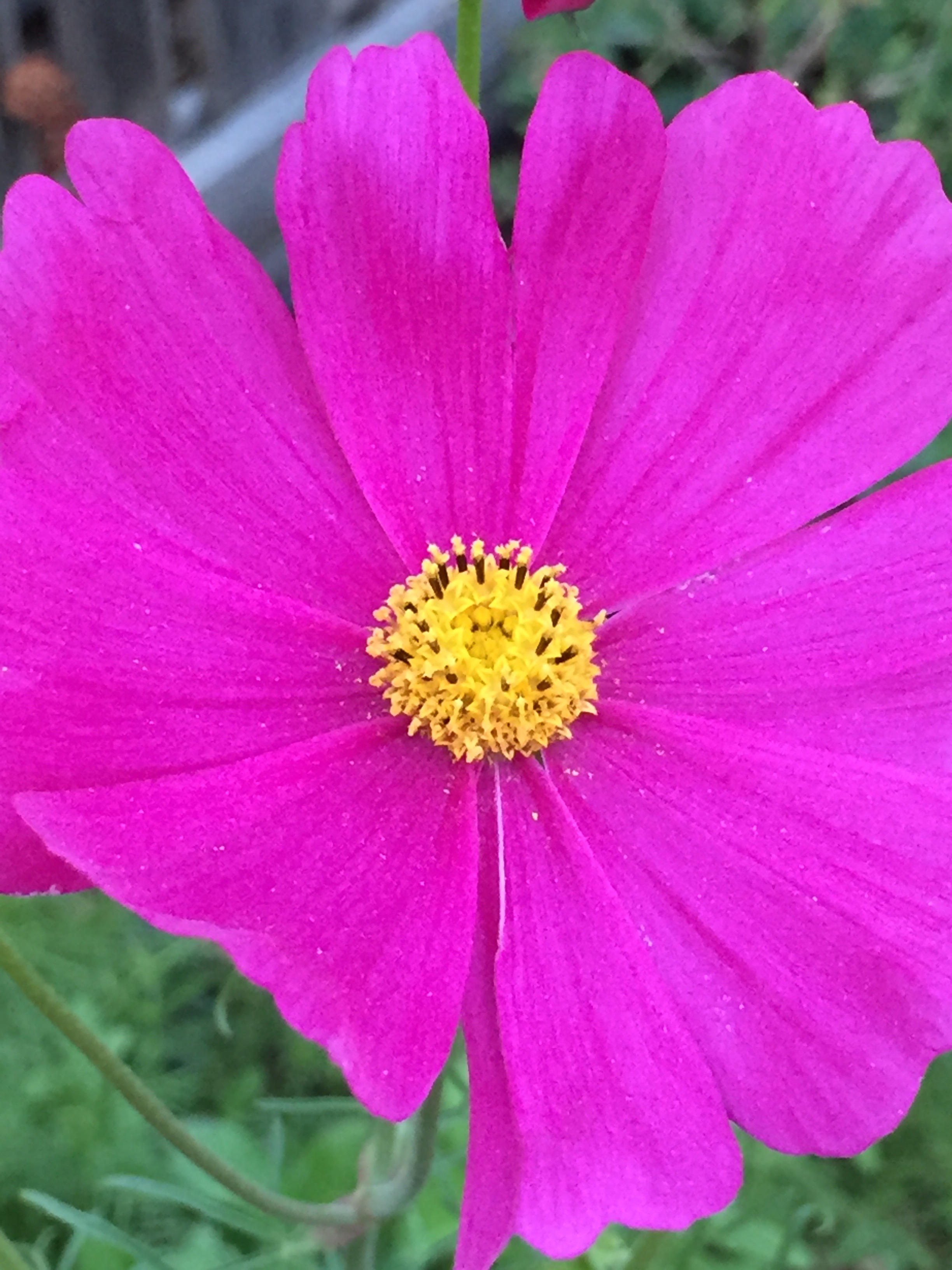
cosmos

cosmos

Summer is rolling along, and with it the kind of daily chores that mostly involve putting up food for winter. I'm so glad I've had this month off of work, as it really helps to have extra time to process the harvest. 
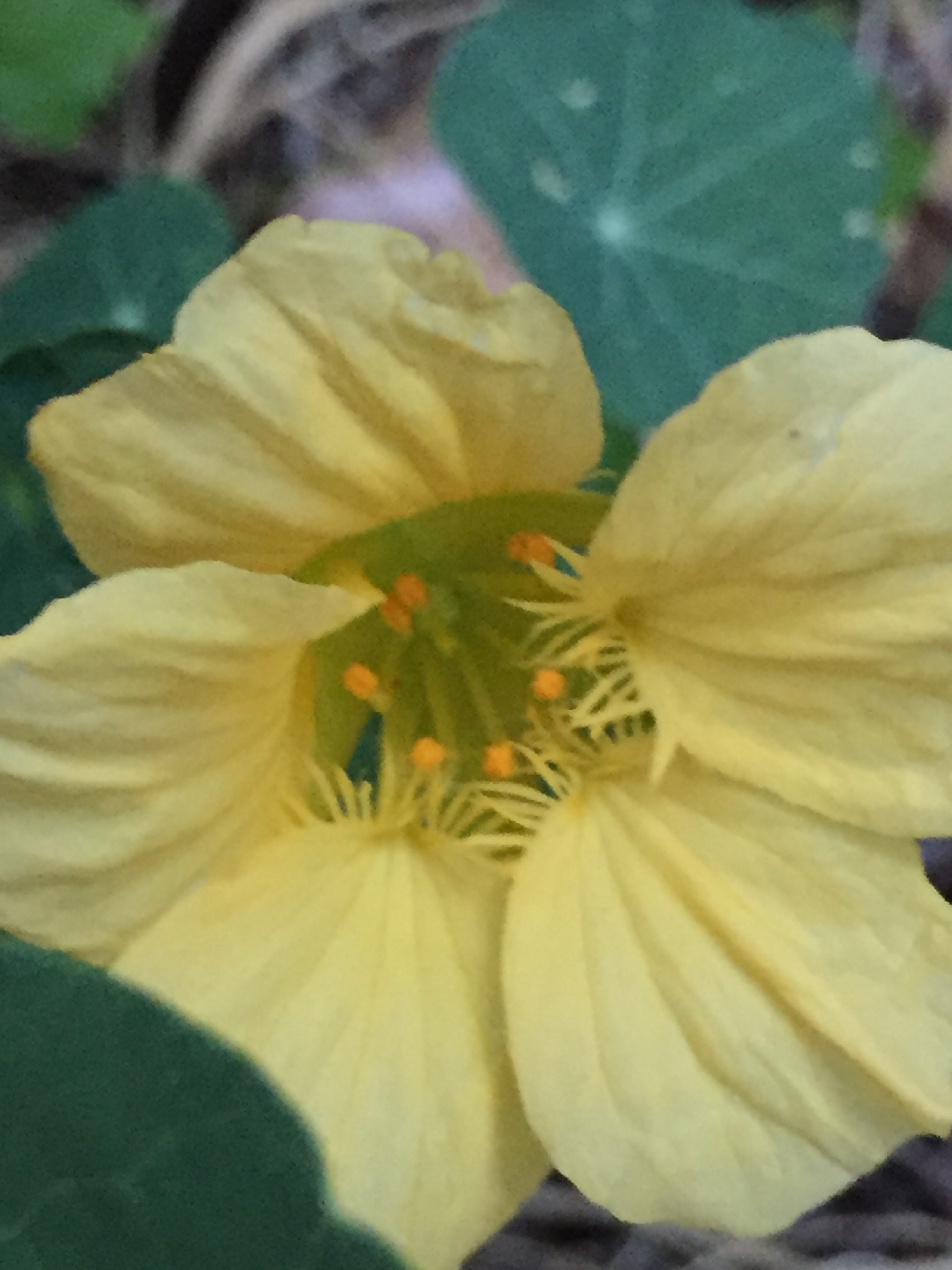
a type of coreopsis, I think

a type of coreopsis, I think

I'm doing lots of odd jobs that, by themselves, don't really make for an entire blog post. For instance, I noticed almond trees blooming this past spring up the street near our neighborhood pool, so I put a note in my calendar to check them again this time of year and see if I could harvest some. Sure enough, I was able to reach a dozen or so and bring them home. They haven't cracked open yet. As I understand it, on big farms, they wait until the outer shell cracks open, then use a specialized piece of equipment to shake the almonds out of the tree. I didn't want to wait until they cracked, because by then the squirrels would have gotten them all. So I brought them home and put them in our outdoor drying rack and we'll see what happens.
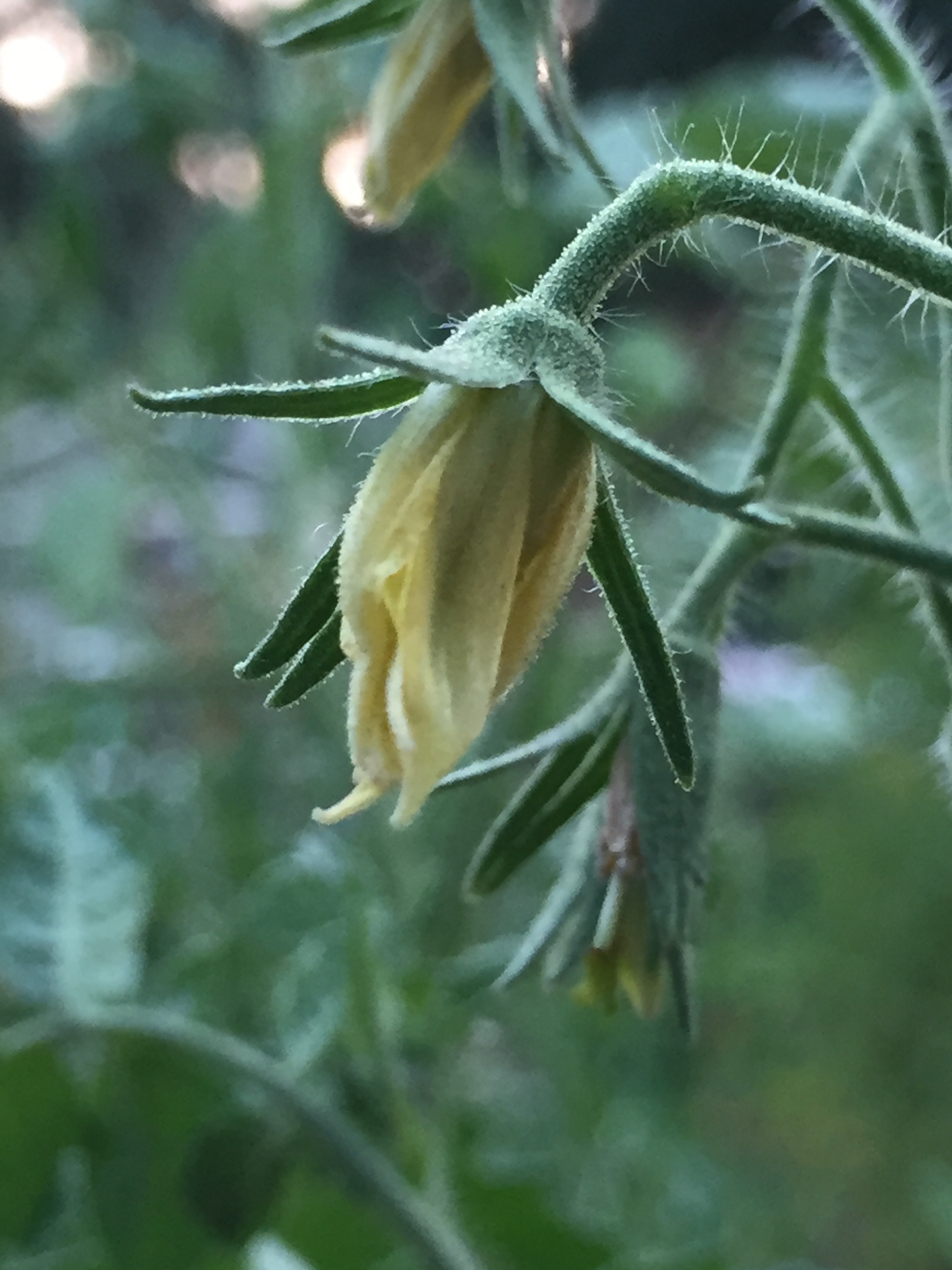
I've been using this same drying rack to dry hot peppers (Piccante Calabrese), almost constantly. As soon as a handful of peppers become ripe, I slice them in half and pop them in the dryer. The jar of dried peppers is growing. Unfortunately these peppers are about the size of quarters, so it's going to take a lot of peppers to fill up this jar. Oh well. We don't eat all that many red pepper flakes. (Except for Adam, he really likes them on pizza.)

It's been quite warm, and I decided I wanted to protect the tomatoes from the late-afternoon, western sun pounding on them. So I clipped up some row covers to give them just a bit of shade on that side. These particular row covers block out 10% of light, so the tomatoes are getting plenty of sun. I've noticed the leaves looking a little crispy, which isn't unusual this time of year, but anything I can do to help the tomatoes keep producing is a priority.

There are always a lot of tomatoes ripening on the piano. This batch is going to be made into tomato paste, or BBQ sauce, I haven't decided yet.

I took out my food mill in order to start on this project...


... and promptly broke the plastic thingy that torques the base down to the counter and suctions it, so that it won't move when you crank it. It is unfixable. I was pretty mad. So I have to wait until the new one I ordered arrives (hopefully tomorrow). I decided to go with the old kind, you know with a crank at the top, the kind that's been used for a hundred years. Hope that one lasts longer than one year.

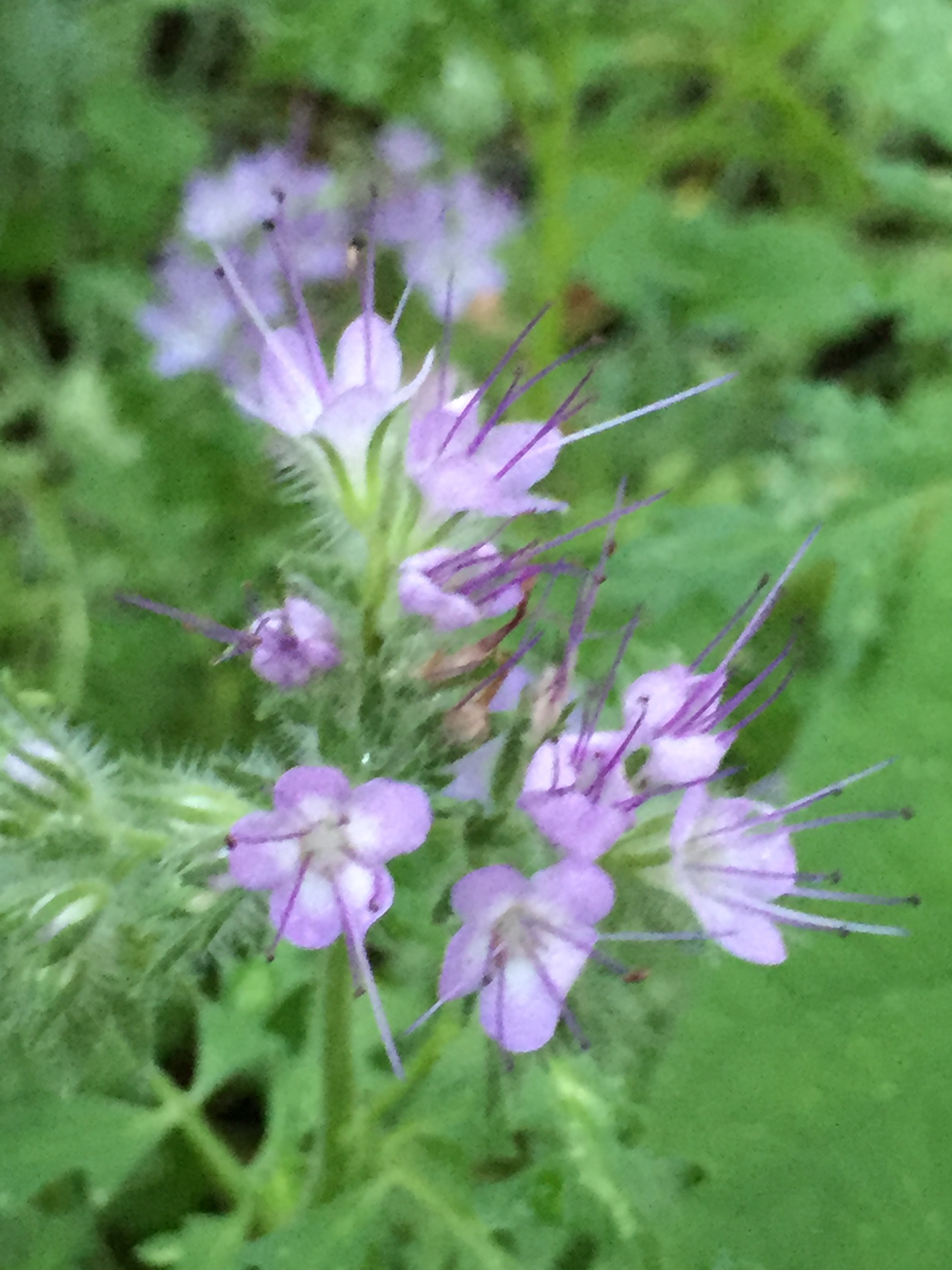
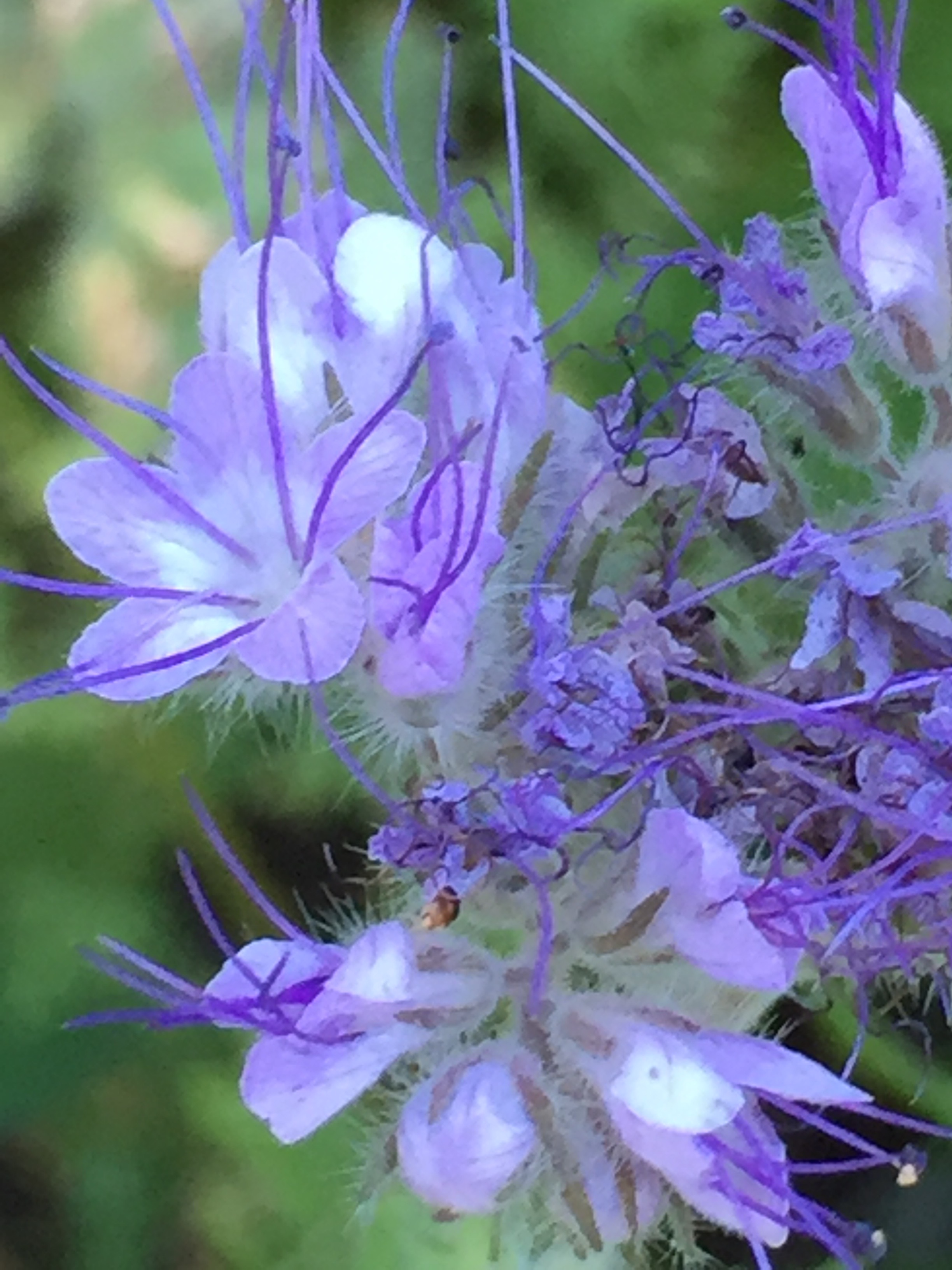
phacelia

phacelia

I've been saving some tomato seed. I don't know why I was so intimidated by this in the past, it's really quite straightforward. You just squeeze the tomato into a jar, juice and pulp and seeds all together, then let that sit on your counter for 4-5 days until mold grows on it. That means the seeds have fermented a bit (which removes an anti-germination coating) and are ready for drying. Scrape off the mold and carefully drain the liquid. Good seeds sink to the bottom. Give them several rinses of water and then spread them on to a paper towel to dry. Easy.

It's also time to start thinking about the winter garden. I won't be actually putting anything into the ground until October, or even early November, depending on the weather (our first average frost date is December 15). I've got the seed packets and plans out and it's fun to figure out what will go where.

You may remember that last year I had a little trouble with 'heading' vegetables, like broccoli and cabbage. I think what I'll do this year is start those seeds indoors (or maybe even outdoors under the shade structure) in early September. Then they'll be ready to go in the ground in October.

found this in the local open space while the kids were hunting Pokemon

found this in the local open space while the kids were hunting Pokemon

So, yes, trucking along here, just preserving as things come ripe - tomatoes, peppers, beans, cucumbers. Our first ripe cantaloupe went to a pregnant friend who is craving melon. :) The next one is mine, though. Watermelons are not far behind! 

Tags vegetable garden, preserving, foraging, fruit garden, seed saving
Comment
← Newer Posts Older Posts →

Subscribe

Sign up to get email when new blog entries are made.

We respect your privacy. We're only going to use this for blog updates.

Thank you! Please check your email for a confirmation notice to complete the subscription process.

Powered by Squarespace