Unexpected Potatoes

Last November, I planted an 8-foot row of red potatoes and an 8-foot row of yellow fingerling potatoes. They started off brilliantly, managed to keep growing over our frosty winter (with cover), and started growing in earnest in late winter/early spring. I decided to hill with straw, so I diligently added that as the plants grew.

Then the bugs arrived. I'm not sure what kind of bugs, but they seemed to be especially attracted to the red potato row while the fingerling row managed ok. Neither row has ever bloomed or gotten above about 2 feet tall, and the red row in particular was looking pretty grim. The leaves were nearly all gone, eaten by something - I suspect those darn earwigs. I was rueing my choice of hilling with straw, because I figured it was creating a nice little habitat for those earwigs and there was really nothing I could do but stand by and watch the plants totally disappear. 

So today, when I had a free hour, first I cleared out the cabbage bed in the South Garden as I had planned. I took some of the leaves to the chickens and put the rest in my freshly cleared out compost bin. As I did so, I was thinking about how putting that much green (nitrogen) in the compost was probably a bad idea without some brown (carbon) as well. As the compost bin is quite near the potatoes, my eye fell on the desperate red potato row, and with a sigh, I thought I'd clear out the straw and add it to the cabbage leaves in the compost bin. 

So I kneeled and started pulling up the hay. And guess what I saw soon after.

My mind couldn't process it at first. But it didn't take long before I needed a basket for the harvest. And after the entire bug-eaten row was cleared, I had about 10 pounds of potatoes.

What the heck? It just doesn't make sense. How can a plant produce fruit (or in this case, tubers) if it never blooms? I don't get it. But I'm not complaining.

This is my first hilling experiment, as I've always grown potatoes in towers before this, and I'd say the yield is about the same. I never grow an abundance because we really don't have the proper place to store them long term. I only grow as many as we can eat in a month or so.

I rinsed them, dried them, and put them in our mesh cloth bags to hang on the canning shelf, out of the light, and hopefully humid enough to cure properly. But if they don't, it won't matter, because we'll eat them up soon enough. I'm dreaming of hash browns with our fresh eggs and roasted potatoes with rosemary chicken.

I left the fingerling row in place. The plants look robust-ish (although will the earwigs now move over there???), and they'll keep better in the ground anyway until we're ready for them. Which won't be long, as I want to start the corn soon.

Happy Day! An unexpected potato day. 

Close-Ups

Just doing my usual Friday late afternoon wander around the garden. Took some photos, and thought you'd enjoy.

Mallow

Mallow

Salvia clevelandii

Salvia clevelandii

Olive blossoms

Olive blossoms

Yarrow

Yarrow

Rose

Rose

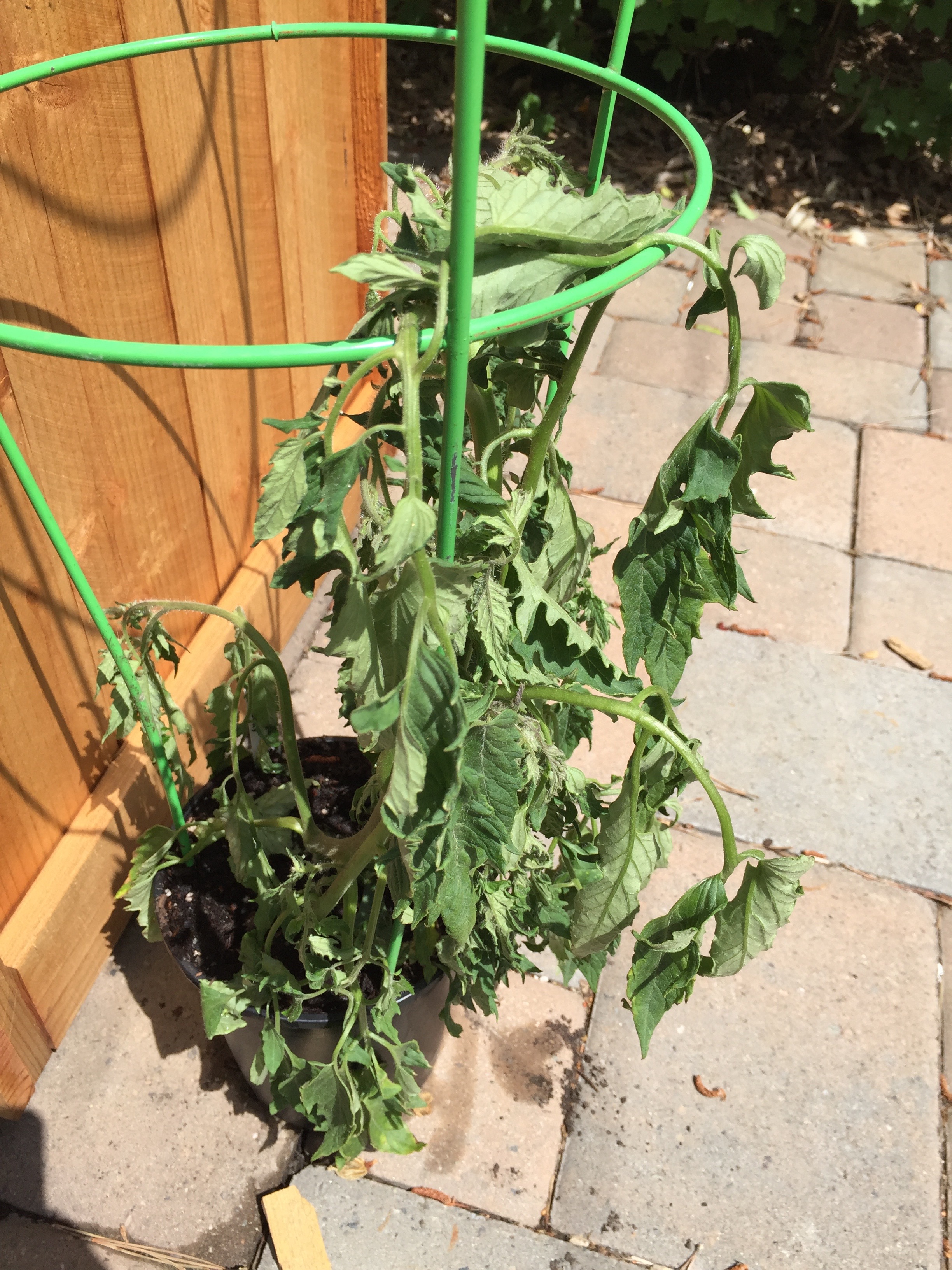
Tomato

Tomato

Clarkia Mountain Garland

Clarkia Mountain Garland

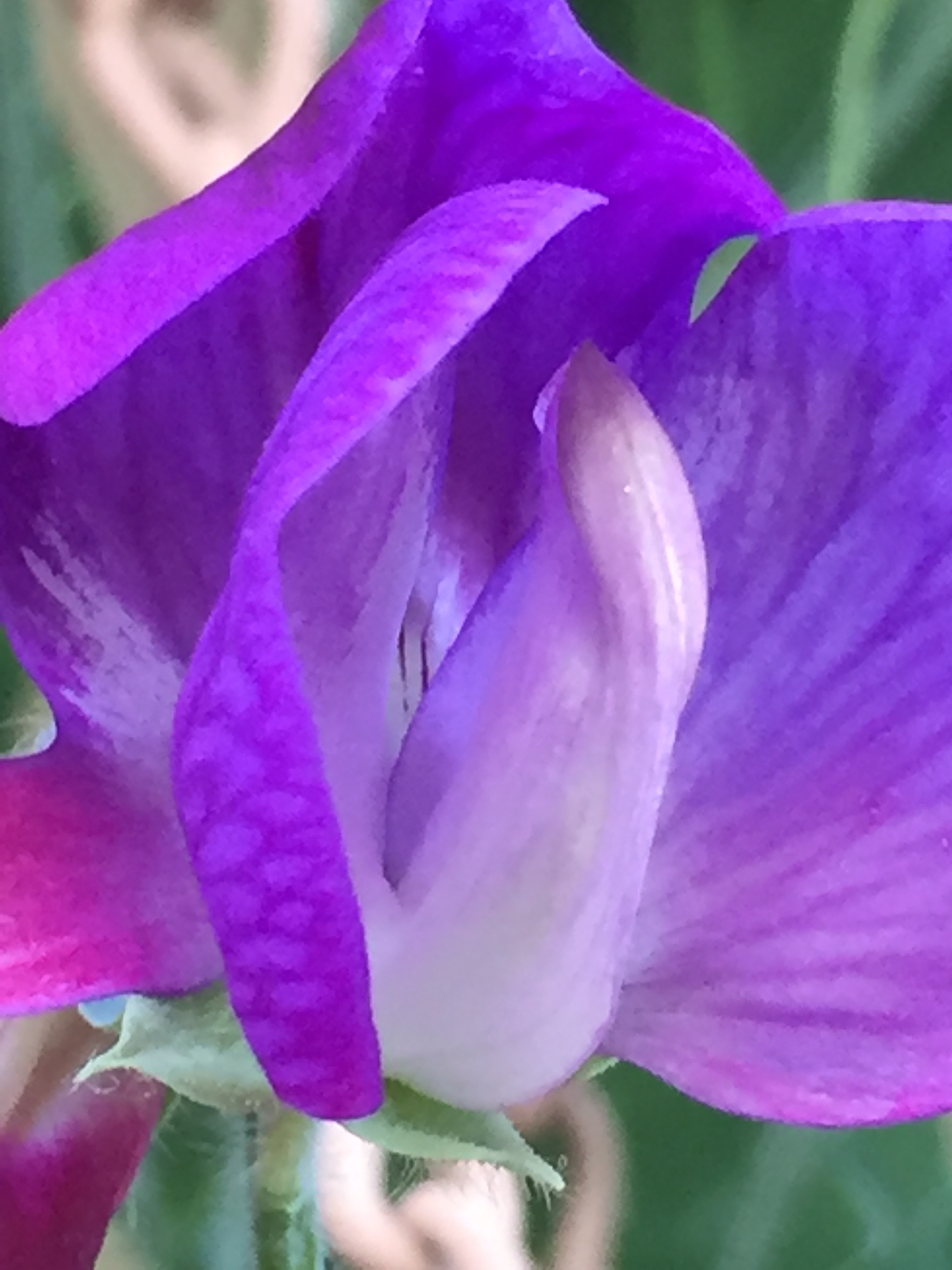
Sweet Pea

Sweet Pea

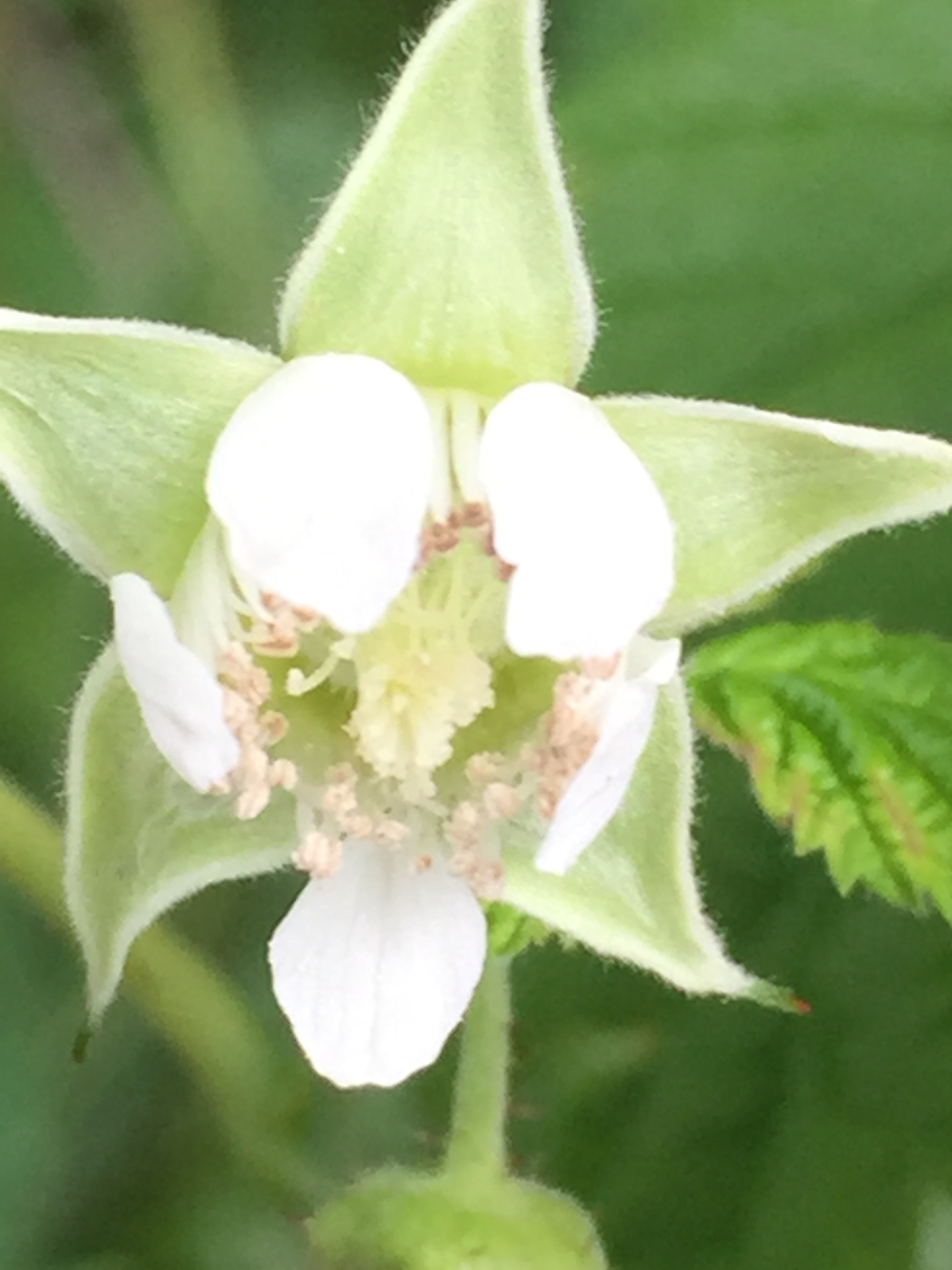
Raspberry blossom

Raspberry blossom

Salvia microphylla 'pink'

Salvia microphylla 'pink'

Nasturtium 'Aloha'

Nasturtium 'Aloha'

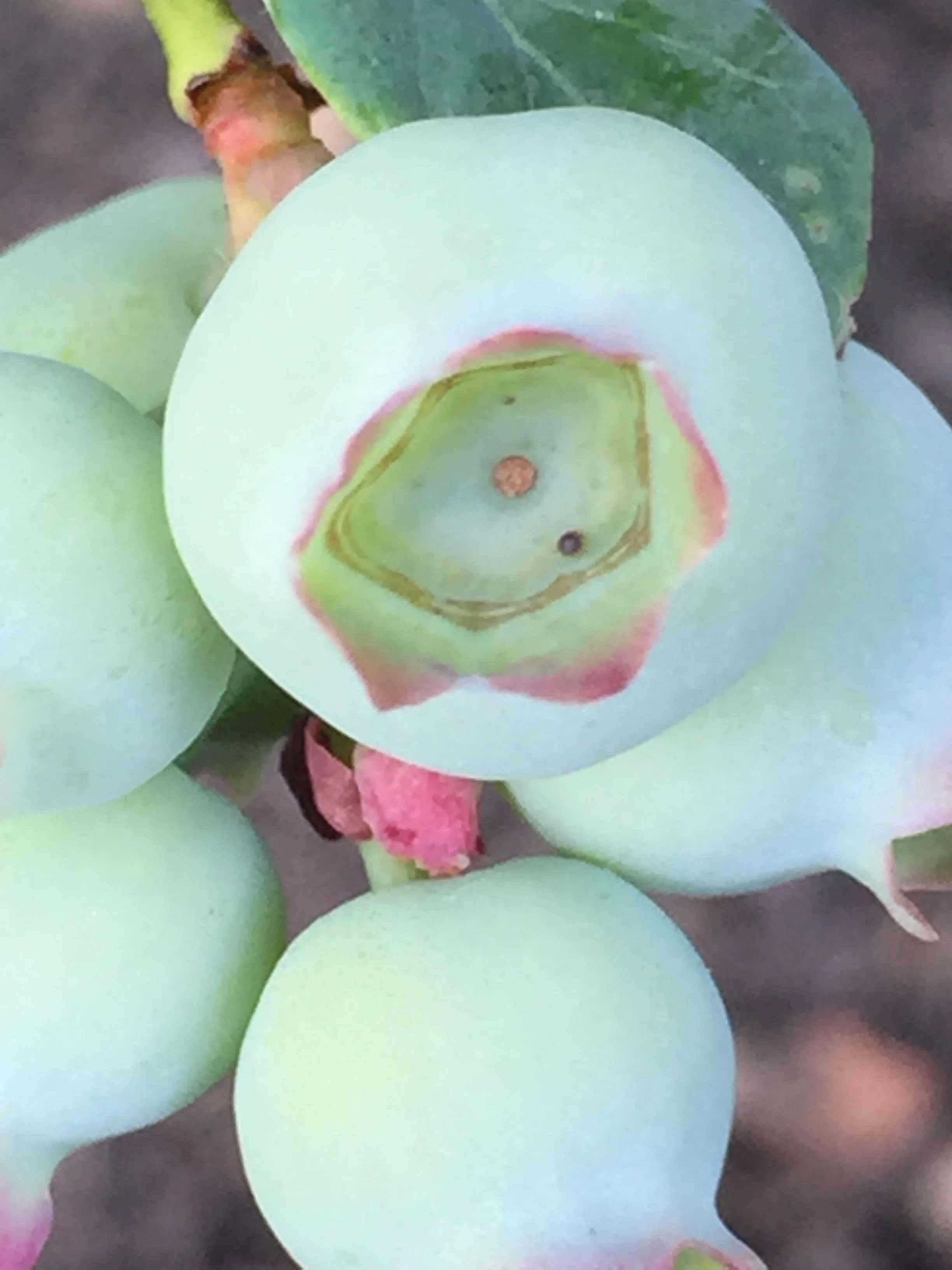
Blueberries

Blueberries

Poppy 'cupcake'

Poppy 'cupcake'

Strawberry

Strawberry

Digitalis purpurea 'snow thimble'

Digitalis purpurea 'snow thimble'

Chive blossoms

Chive blossoms

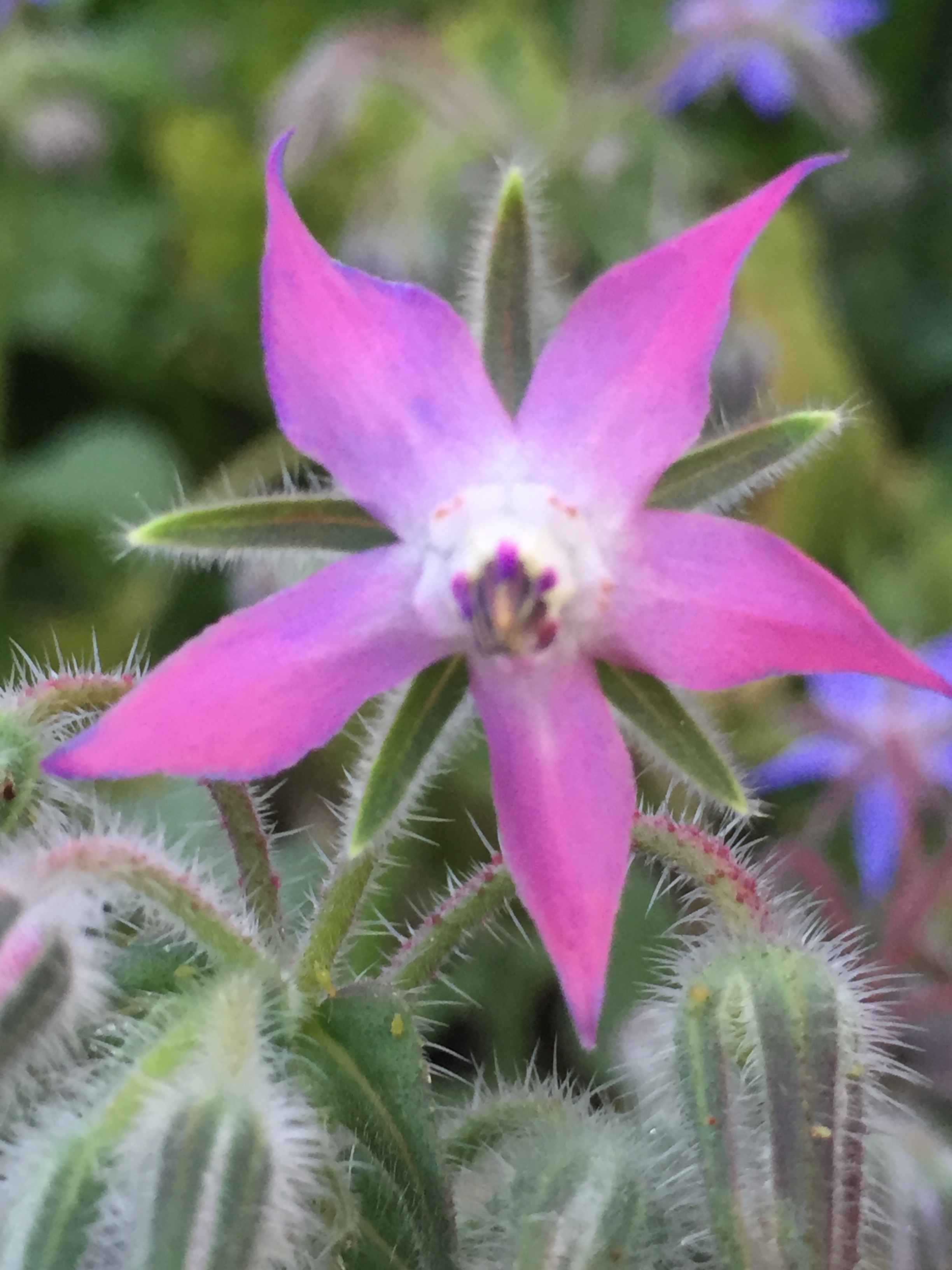
Borage: A miraculous plant

Borage (Borago officinalis) is growing freely in our pollinator gardens. Some of it re-seeded from last year, and some is growing from seeds I sowed earlier this year. I've been watching the native and honey bees in this plant, and it is always covered with pollinators who are collecting nectar from its bright blue, pink, and purple flowers. I started to wonder about this pretty herb.

Then, while reading "A Sting in the Tale" by biologist and naturalist Dave Goulson, I came across a few paragraphs about the time it takes for flowers to refill their nectar. Nectar, of course, is a little bonus that the plant gives in order to be pollinated. Nectar is usually just a drop at the base of a flower. Once sucked up by a bee, wasp, or butterfly, the flower refills its nectar supply, thus ensuring that the pollinators will come back. Some flowers take as much as 24 hours to replenish the nectar. Borage, on the other hand, apparently takes only two minutes. From Mr. Goulson: "When feeding on borage, bees start revisiting a flower just two minutes after the previous visit." No wonder the bees love it. They can start at one end of the patch, then start again after they've cleaned it out - it's completely refreshed.

My chickens also love borage. When the stalk gets a little large and unwieldy, I just clip it off and throw it whole in to the coop. It's demolished fairly quickly.

We humans are also able to eat borage. The leaves can be sauteed or eaten raw (though cooking will take off the fuzz), and the flowers are often used in salad, candy, or drinks. It's rich in Omega 6 fatty acids, B vitamins, beta-carotene, and fiber. 

Furthermore, borage is compatible with most plants, including vegetables, and repels bad bugs such as hornworms. 

Another plus of borage is that it reseeds itself so easily and blooms for a very long time, from Spring into Fall. It also creates a good deal of biomass for the compost. It seems to grow easily in any soil, it just needs a sunny spot in your garden. 

Lastly, the blue tint of the flowers is welcome in any garden, as blue is a color that is hard to come by in the plant world. 

Borage is easy to start from seed. Just mix the seed with a little soil and scatter in your garden. You can find borage seeds at nearly every seed company; I get mine from Renee's Garden and Baker Creek Heirloom Seeds. Happy Planting!


First Jam of 2016

In 2015, we made about 12 half-pints of strawberry jam total throughout the Spring and Summer, and we discovered that each half-pint lasts only a week, on average. Once a jar is opened, we seem to find reasons to eat it - on homemade sourdough toast, on P&J, on vanilla ice cream. Realizing how much we enjoyed having homemade jam, we resolved to make more of it in 2016, and today Tom made a dent in our goal. His entire Sunday was spent in pursuit of strawberry jam.

It began in the morning, when Tom went to our local farmer's market and bought eight pounds of strawberries. He talked the the farmer, who was from Salinas, and discovered the strawberries were pesticide-free, and so he bought a great quantity. Tom also asked, if he wanted to buy even more, could she arrange that? and she said, given a week's notice, she could definitely promise him a large amount if he wanted it. Anyway, eight pounds of organic strawberries was $20, a steal if you calculate what you pay at Whole Foods for these (and often, at this time of year, the ones from WF are from Mexico, increasing your carbon footprint quite a bit). 

When Tom came home with the strawberries, the entire house, including the neighborhood kids here playing Wii, started eating them - they were that hard to resist.  Tom didn't get a picture because he was too busy shooing us out of the kitchen, but here they are in his new jam pot (his Christmas present from the kids):

The strawberries need to macerate for a long period of time, and then the juice is cooked down, and then the fruit is added and cooked down for hours, making the whole house smell unbelievably delicious. The upside of processing this many berries at once is that we are now in ownership of 13 half-pints (one of which we immediately gave to a neighbor) and 2 pints of lovely jam. The downside is that you spend most of your day in the kitchen, over a hot stove, when it's 88 degrees outside.

You know where to find your local farmer's market, yes? If not, check out Local Harvest - they'll have the scoop.

Next up, blueberry jam, as soon as blueberries are available.