Late January in the Garden

It's simply delightful outside today. Yesterday we had a nice, long, soaking, misty rain - the plants really needed it - and today is warmish and sunny. The song sparrows and finches are all flying about, chasing each other (mating?) and chirping, the hummingbirds are defending the feeder, the bumblebees are all over the manzanita, and the honeybees are bringing in pollen - a good sign that the queen is starting to lay more eggs. 
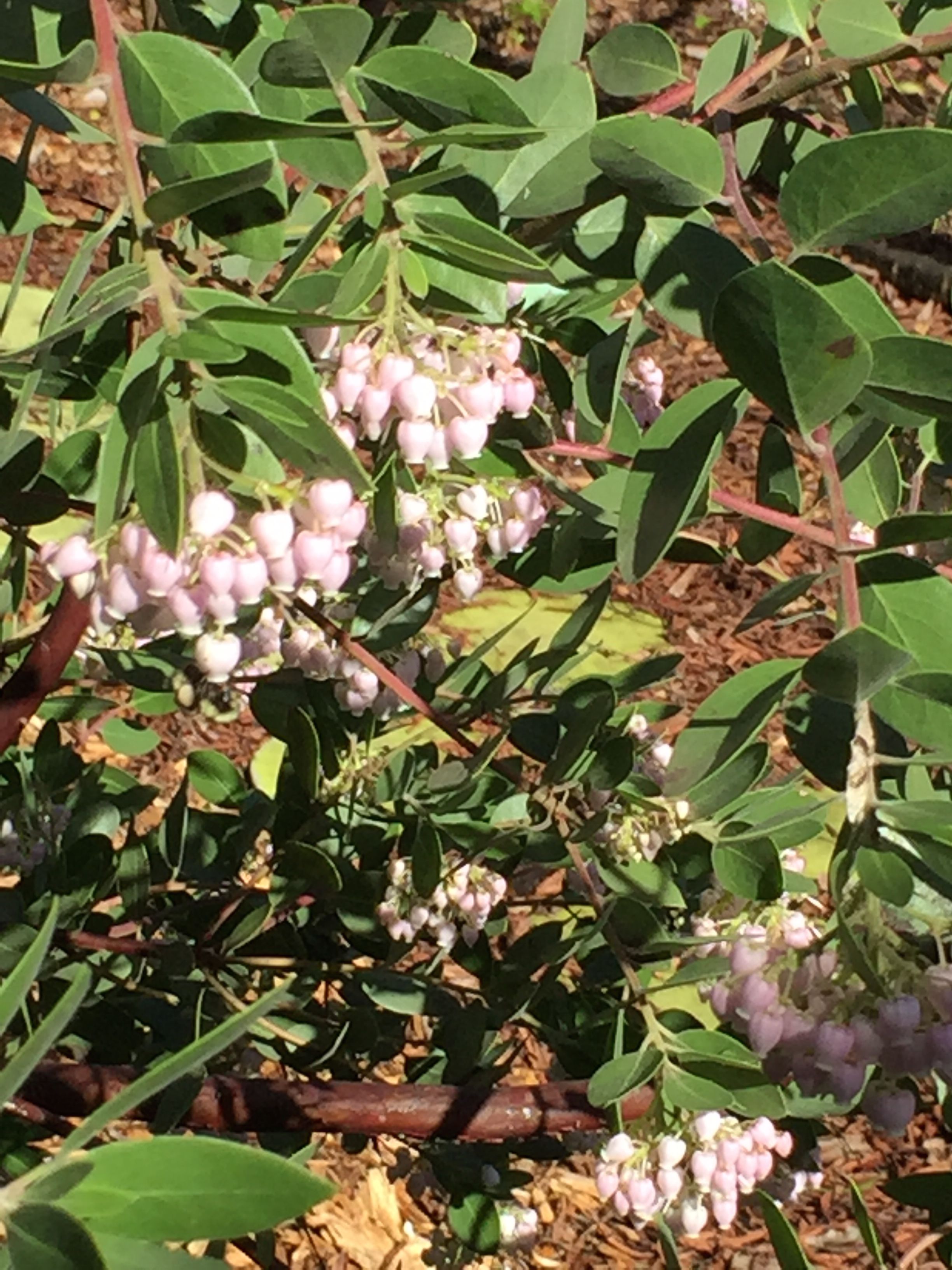
Manzanita

Manzanita

An incoming bee meeting an outgoing bee at the hive entrance; they are probably sharing a taste of the newly collected nectar

An incoming bee meeting an outgoing bee at the hive entrance; they are probably sharing a taste of the newly collected nectar

I sat under the manzanita for a while and just watched the incredible amount of activity going on. Other than the narcissus (and a few fava beans), nothing else is blooming in my garden, so this is where everyone hangs out. I have other, younger manzanitas that are not blooming yet, and this makes me want to plant even more. Loads more. What a boon it must be for all these creatures who desperately need spring pollen and nectar. I noticed that the ceanothus is close to blooming, and that will be the next plant that gets all the action.

ceanothus

ceanothus

Days of sun interspersed with rain is also so very good for the garden. Suddenly everything is waking up and getting busy. Interesting things are popping up in the wood chips.

Inky Cap Mushroom

Inky Cap Mushroom

Self-Seeded Nasturtiums

Self-Seeded Nasturtiums

And the vegetables are all doing wonderfully, still very small in most cases, but getting bigger every day.
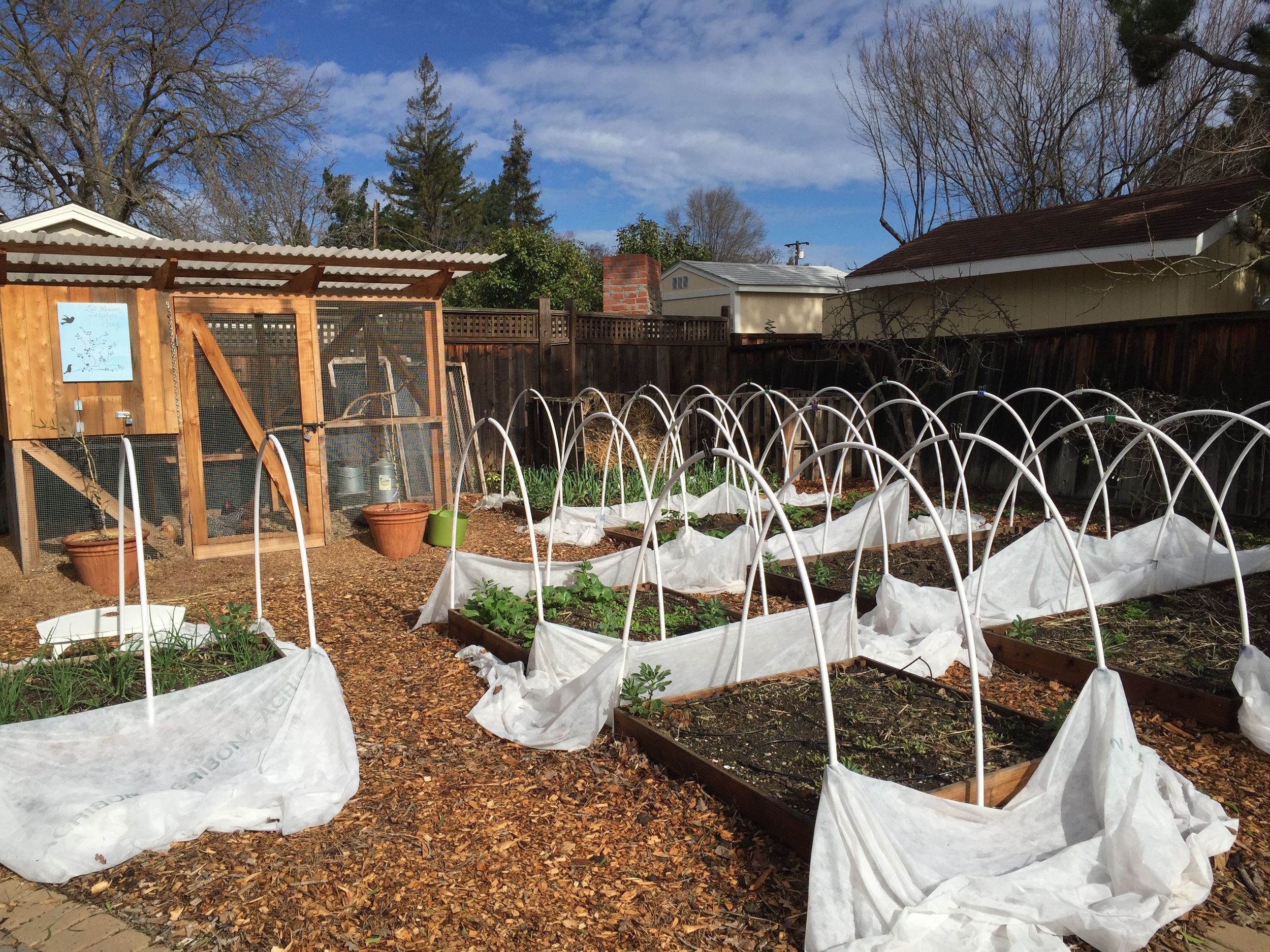
North Garden; the row covers have been off for weeks now, but might go back on tomorrow night, as it's supposed to go down into the mid 30's
North Garden; the row covers have been off for weeks now, but might go back on tomorrow night, as it's supposed to go down into the mid 30's

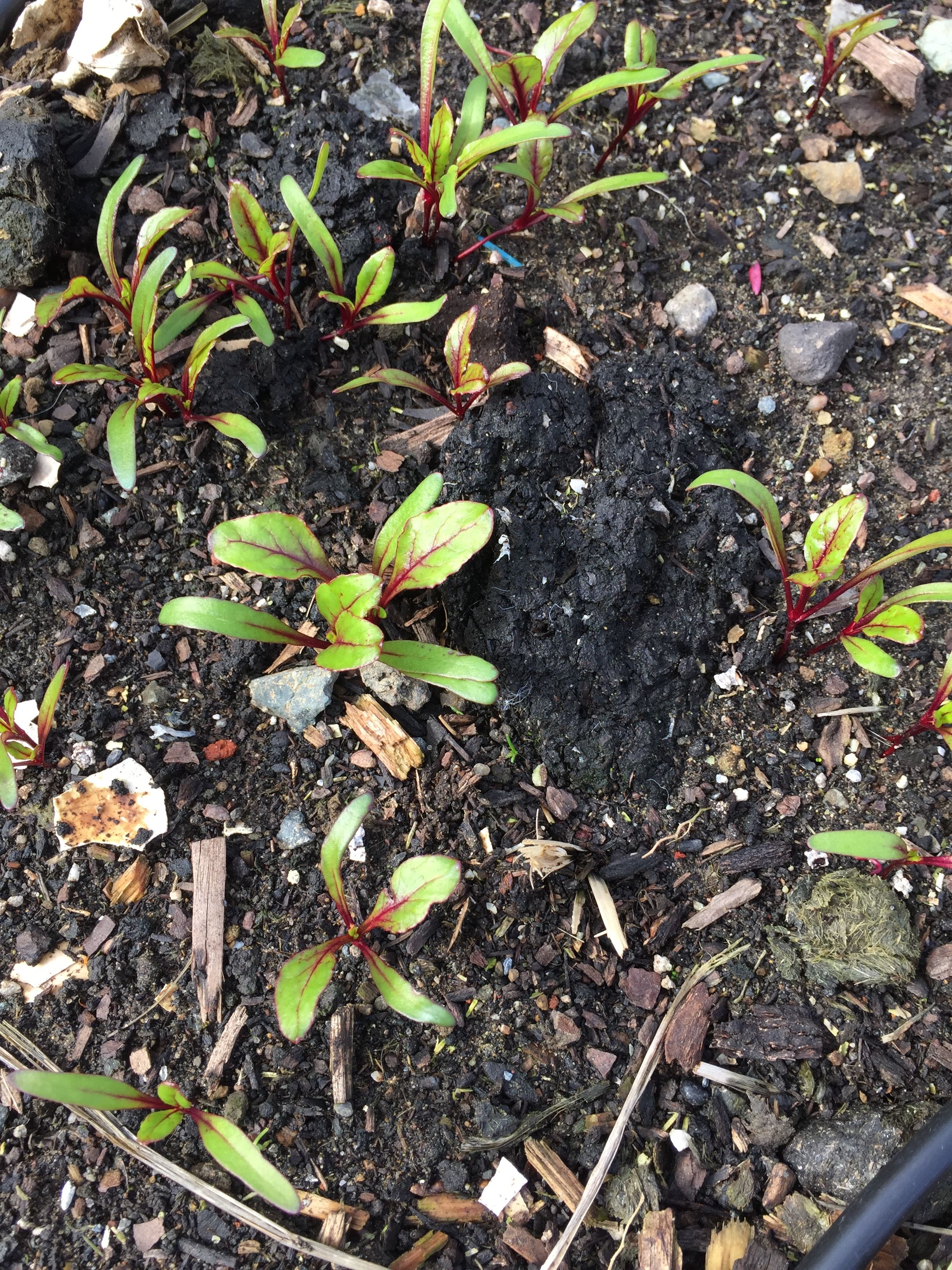
"Red Baron" beets

"Red Baron" beets

Artichoke

Artichoke

"French Yellow" shallots

"French Yellow" shallots

This is either "Colorado Rose" red potato or "La Ratte" fingerling potato
This is either "Colorado Rose" red potato or "La Ratte" fingerling potato

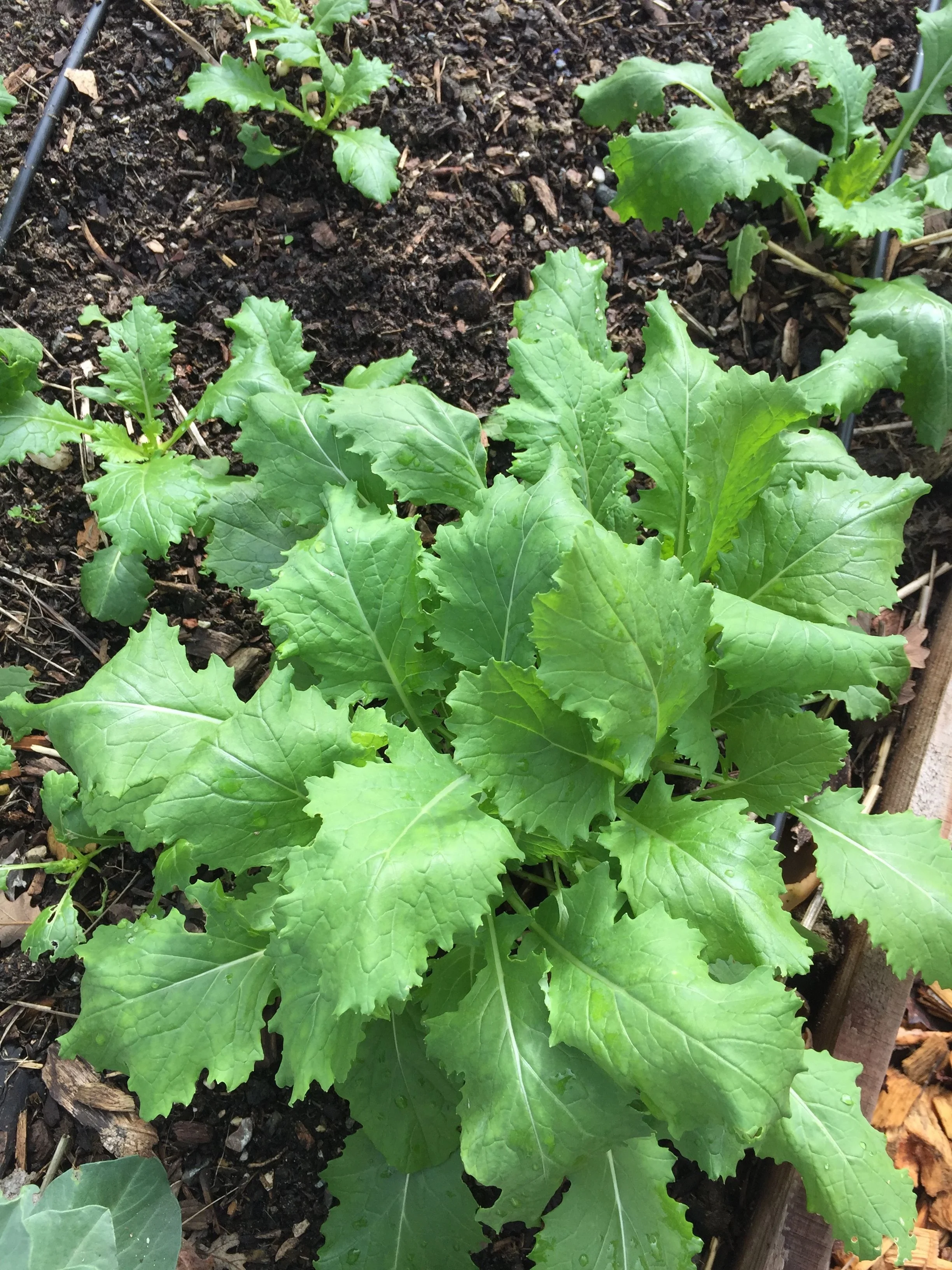
"Japanese Mikado Baby" turnips

"Japanese Mikado Baby" turnips

"Danvers" carrot
"Danvers" carrot

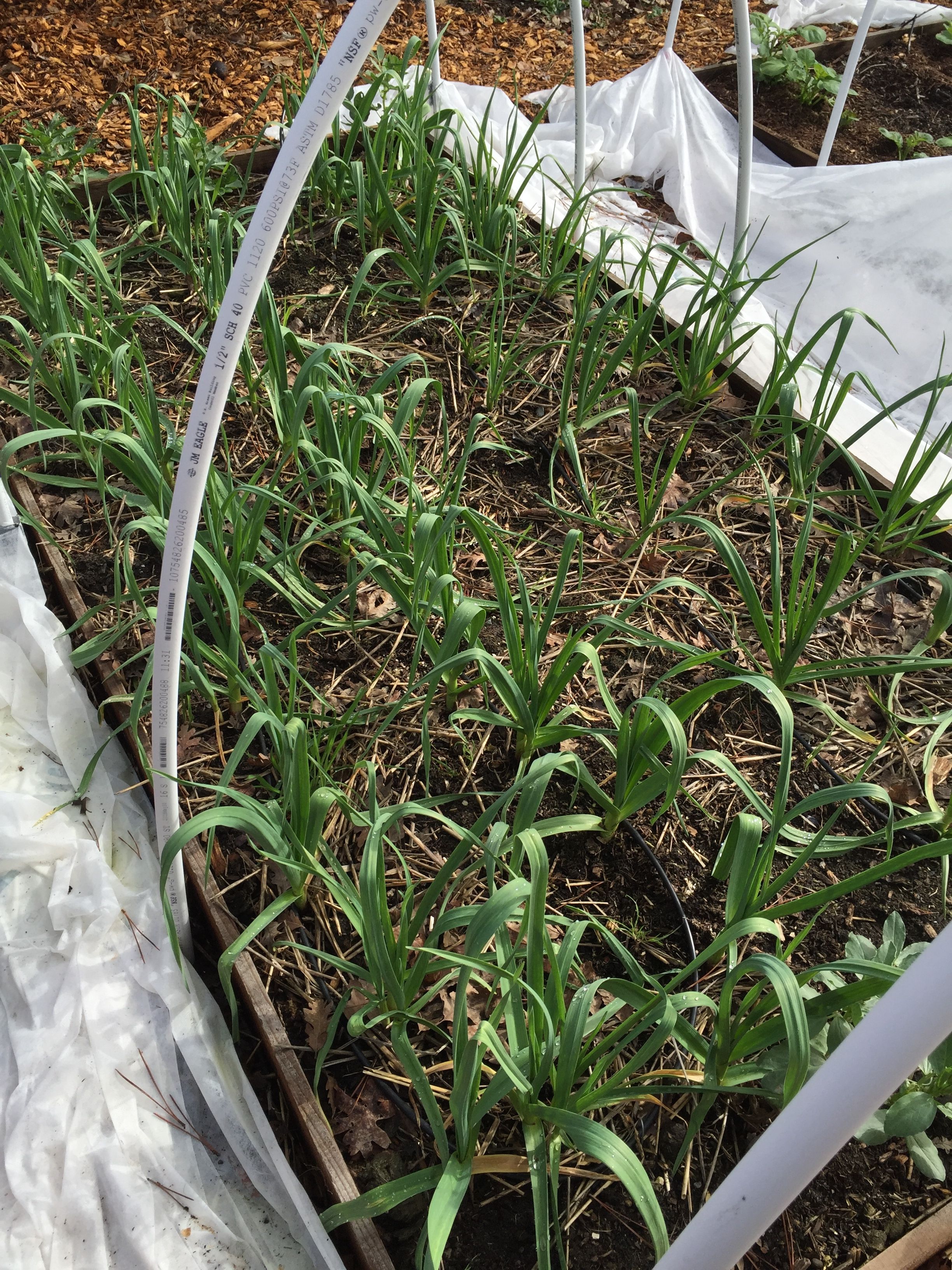
"Ichieum Red" softneck garlic

"Ichieum Red" softneck garlic

South Garden

South Garden

Cabbage - still tiny

Cabbage - still tiny

Fava Beans

Fava Beans

succession plantings of 'Regiment' spinach

succession plantings of 'Regiment' spinach

Peas, "Progress #9," starting to climb up the trellis

Peas, "Progress #9," starting to climb up the trellis

There's also loads of Asian Braising Greens, Chard, and Kale, which I am now picking and eating every day. These are the stars of my winter garden and provide us with our daily salad or saute. 

In between trips to the garden (just to enjoy the sun and the wildlife!), I'm getting lots of projects underway - I'm working on the new tomato and pepper indoor seed setup, my new vinegar crock has arrived, I'm baking bread, and checking on the olives. More to come on these projects and others!

Nectar Replenishment

Well, talk about going down the rabbit hole. I decided to try to satisfy my curiosity about flowers and nectar and how often they produce/replenish their nectar, and I fell in to a huge amount of information. A fascinating time-suck. How lucky we are to live in the time of instant information. (And also, maybe, cursed.)

Anyway, from all the reading I have just done, I have learned that flowers make nectar continuously. Most of the sugar is made in the leaves through the process of photosynthesis. Then, the sugar travels through the connective tissues to other parts of the plant. There are special cells at the base of each flower, near the ovary, that secrete the sugar in to nectar. Providing nectar costs the plant some energy. But of course it also provides pollination, and survival of the species.

Some plants renew their nectar in a matter of 20 minutes, some take a full day. Much of this is dependent on the type of pollinator that visits the flower. For instance, agave plants create a huge reservoir of nectar each evening in their night-blooming flowers, to attract bats. I read this from the American Journal of Botany: "Ideal nectaries should be able (at least in a crude way) to homeostatically regulate their nectar offerings by refilling nectar reservoirs after nectar has been removed, or by readjusting the concentration of sugar as water evaporates." So plants not only adjust the amount of nectar, but the percentage of sweetness, depending on the animal or insect pollinating it. Plants blow my mind.

And bird/insect behavior, where nectar is concerned, does too. Hummingbirds, according the the Native Plant Society, "expand and contract their territories hourly to compensate for shifts in the nectar production of flowers." Reading more about this, it seems hummingbirds also will guard a flower when it knows it is just about to produce a drop of nectar, so that no other bird will get to it first. And according to SpringerLink (a resource for teachers), some native bees use a chemical odor on a particular flower, which repels subsequent foragers. 

It makes me wonder if that is why I only see bumblebees on my manzanita, never honeybees?

All of this is pretty interesting and will need more research. I also have an email in to my biologist neighbor, asking for some clarification. I'll let you know what he says. 

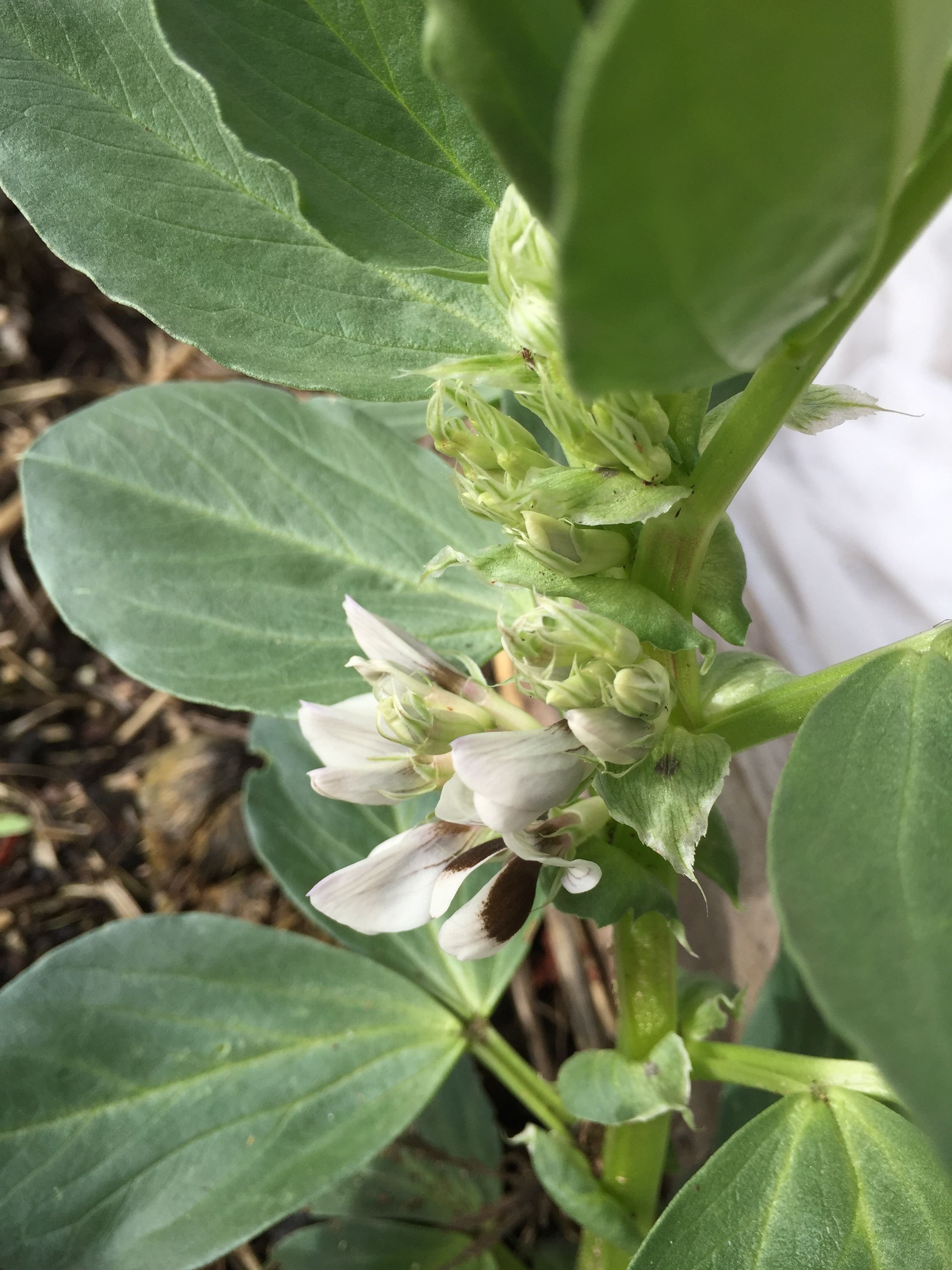
A couple of other interesting plant items in the garden today. The fava beans are starting to bloom!

And I picked some turnips to see if they might be ready. Um, no.

turnip.jpg

They're so tiny! I've never grown turnips before, so I didn't know what to expect. Anyway I ate these raw (one bite apiece) and they were very refreshing, a lot like kohlrabi, but spicier. I look forward to having bigger ones soon!


Dropping the 'F'

I've noticed that when this blog is viewed in any format or engine other than Chrome, my 'f's are missing. Well, in particular, the 'f's before 'i's. Apparently this is a font problem. I'm working on it. Just wanted you to know I really do know how to spell. :)

Deciding to start Tomato and Pepper seeds Indoors

It's been raining a lot here, which is fabulous, but after a while it gets a little dreary no matter how delighted one is to get measurable moisture. And then last night I turned on the Victory Garden's Edible Feast and a chef was making a tomato confit, and I swear my mouth watered. Like every gardener, I'm dreaming of summer.


I've ordered the bulk of my seeds (this year from Baker Creek Seed Company, who has a newly opened office north of here); I start nearly everything in my garden from seed, outdoors in raised beds.  However this method doesn't work as well for tomatoes and peppers, and in years past I've purchased those seedlings from the Master Gardeners. The volunteers do a great job raising the seeds, they have a decent selection of plants, and their profits go in to feeding the community, all of which is admirable. 


And we've always had a decent harvest.

Last year, however, I did have a LOT of problems with my tomatoes, and I can't rule out infection from the seedlings as a possible reason. Plus, after reading Epic Tomatoes, I have a list of new tomatoes I want to try, and there is no guarantee the Master Gardeners will grow those particular varieties. 

Enter seed starting indoors. I haven't tackled this before because it seemed so daunting, not to mention expensive. But I had a gift certificate with Amazon, and they had a kit for sale there that was all-inclusive and reasonable, and so I went ahead and ordered it. It may not suit my needs, but it's a good beginner kit, and if I get obsessive later (as I tend to do), I can always upgrade. I'm hoping that I can place this kit (and the seeds) in my bedroom window, which is south-facing, and I won't have to use the lights the entire day. But, I've got 'em if I need 'em. The kit comes from HTG and includes an adjustable grow light, a heating pad, a domed seed starting tray, and seed starting medium. As the seedlings grow, I will probably buy some larger pots to transplant in to - probably Cow Pots.  And then they'll need to harden off outside at some point.

So I had to think about time. If I want to plant my tomato and pepper seedlings May 1, I need to start the hardening-off process around the middle of April. Which means I need to start the seeds indoors the middle of February. Which isn't that far away! I'll hopefully get the kit from Amazon in time (it didn't come with Prime shipping). Next I ordered the seeds, and that was fun - I went to Seed Savers Exchange for those. Here's what I got:

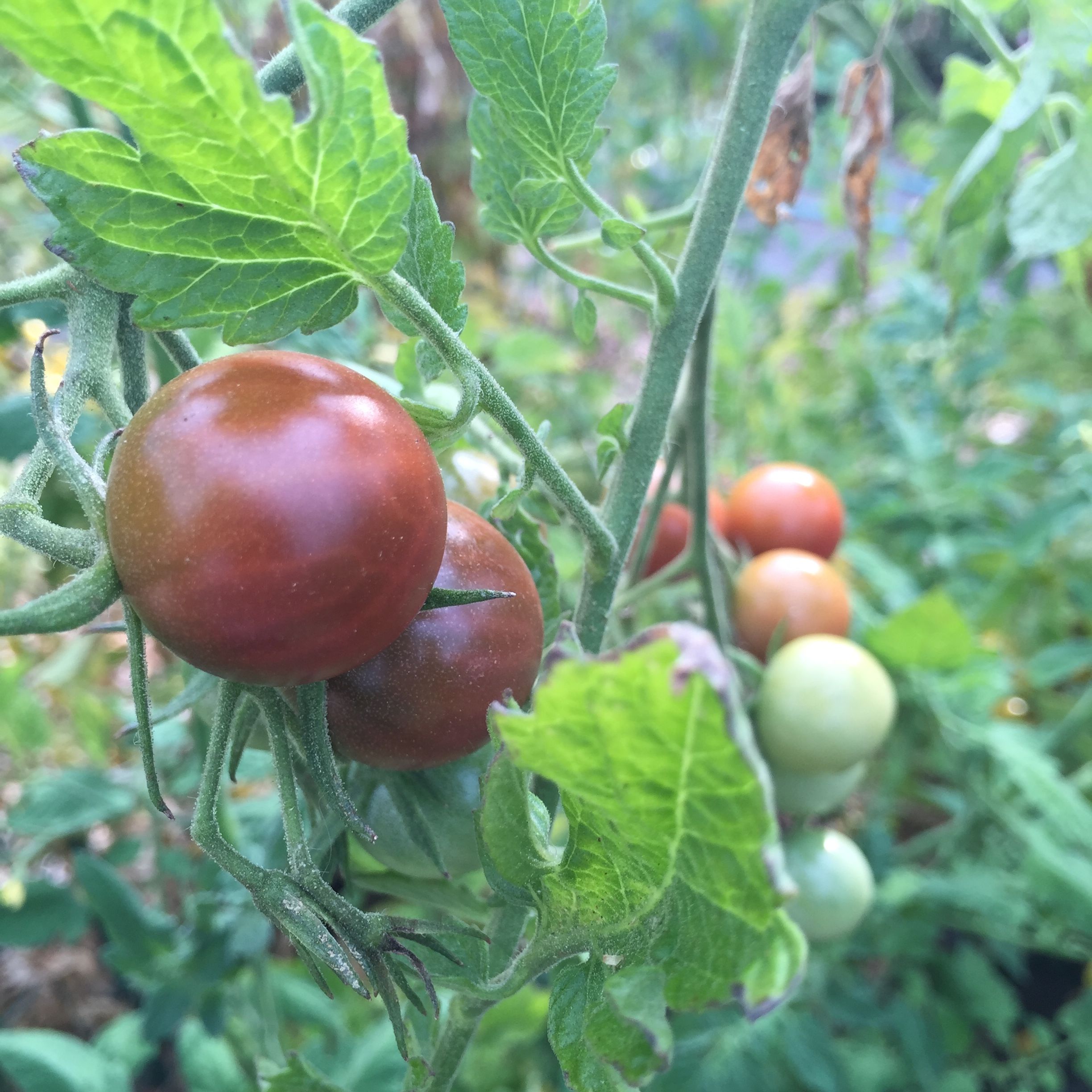
Slicing Tomatoes: Kellogg's Breakfast, Dester, Black Krim, Nebraska Wedding, Cherokee Purple, and Brandywine (Sudduth's Strain). 

Paste Tomatoes: Opalka, Amish Paste, and Federle.

Cherry Tomatoes: Mexico Midget, Black Cherry, and Yellow Pear.

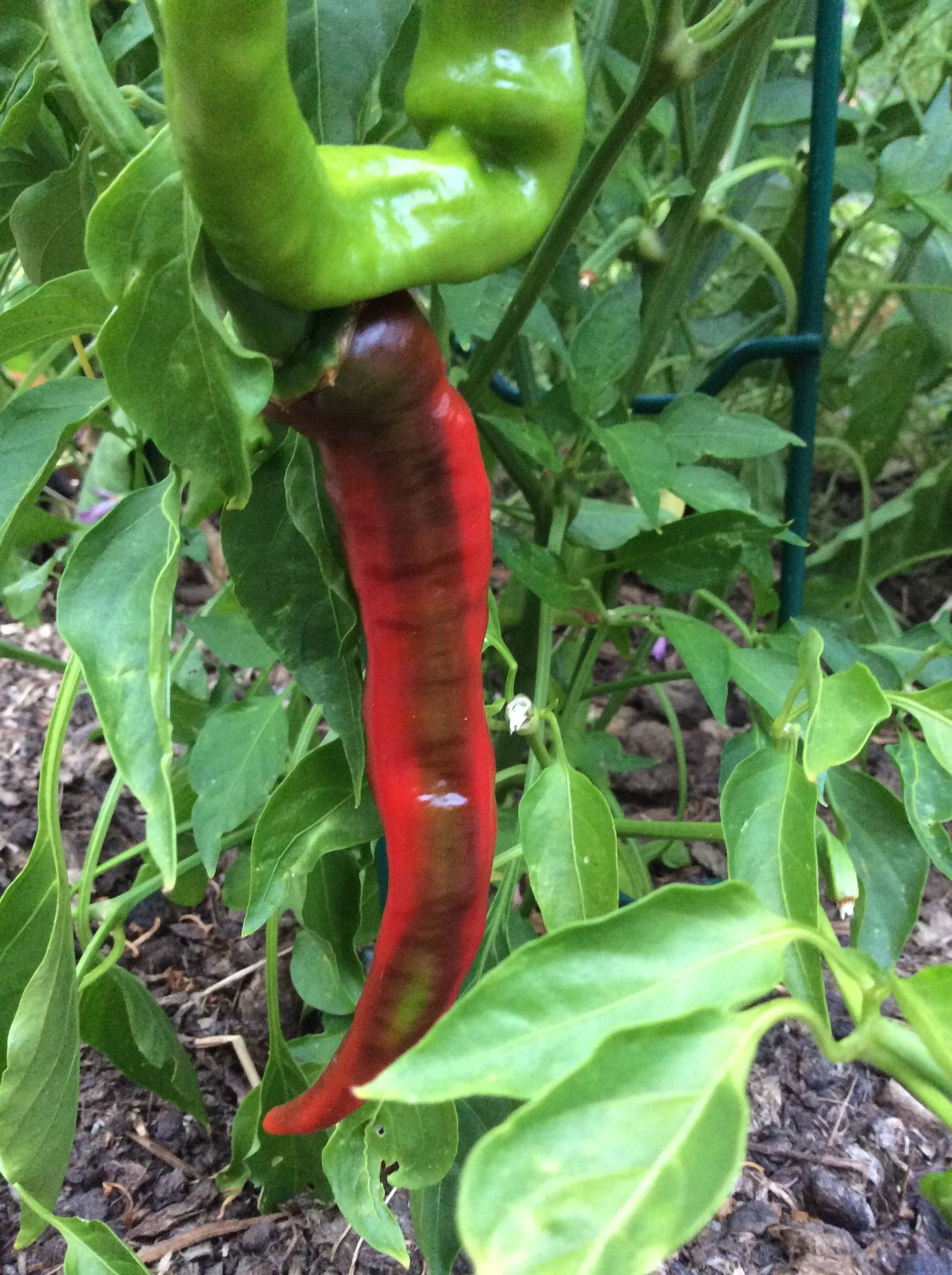
Sweet Peppers: Chocolate Beauty, Bull Nose Bell, Sheepnose Pimento, and Jimmy Nardello.

Hot Peppers: Maule's Red Hot Cayenne, Jalapeno Traveler.

All but one of the slicing tomatoes (Cherokee Purple) is new to me. I have one new paste (Federle) and one new cherry (Mexico Midget). As for peppers, I've grown only Jalepeno and Jimmy Nardello before, the rest are new to me this year. 

I figure if my seed starting experiment doesn't work, I'll head on over to the Master Gardener's sale in mid-April, so I've got a back up plan. I'll let you know how it goes!

Any experience you have with growing these varities/ starting seed indoors that you can share with me would be welcomed!


'Livestock' Update

This is a quick update on all the 'livestock' we have on the urban farm. I use that word as a joke, because all we really have are chickens and bees. And a dog. And a cat. And once in awhile, a stray coyote! (Actually, I just saw a report from a street one over from ours - the homeowners looked in their backyard and saw a cougar! And they actually got several pictures, it was magnificent. So it's possible that we have cougars visiting our yard from time to time.)

I continue to worry about the honeybees. I see very limited activity at the hive entrance, but then that can be chalked up to rainy and cold weather. Bees generally won't fly unless it's above 50 degrees, though they will fly if it's colder but sunny. Since I've seen so little activity, I opened the hive one day last week just to check (it was above 50, but barely, so I made it a very quick check). There are a lot of dead bees littering the bottom of the hive, but a cluster of live bees near the front, who were very aggressive when we opened up the bars where they were keeping warm. So we switched out some bars - moved the bars full of capped honey and nectar to the front of hive where the bees were, and took out some bars with empty comb and put those near the back. I have seen slightly more activity since then, but it's incremental. When the weather gets cold, the bees need to cluster together to keep warm, and traveling very far from that cluster to get food could result in death. So even if the bees have plenty of honey, if it's not in a place where they can access it, they can starve. Hopefully moving their food source closer to them will help them survive just another month or so until temps get warmer. 

Meanwhile, the manzanita has started blooming, so there is some forage for them, if they venture out.

Manzanita

Manzanita

The hummingbirds are all over this bush. Which makes me wonder about nectar: Do flowers renew their nectar supply each day? Many times a day? How can there be enough for everyone? These are mysteries that I must research sometime.

The chickens are doing very well. They seem to be experiencing a limited molt, or maybe I just don't know what a molt looks like. They've lost a few feathers but nothing drastic. And they are still laying well. We get 2-5 eggs every day. I've been buying greens for them (and us!) but I think the garden is finally at a place where it can provide their daily portion (and ours!). Also I've been shoveling up rotting leaves every weekend and dumping them in their coop. They seem to love them - they scratch around for hours - they must be finding little bugs or seeds.


Joe the dog is much better. You might recall he had a spinal injury that required painkillers and steroids. He's still on a very low dose of steroid, but he is MUCH better. We are still not walking him very far, but we are slowly working up to longer walks in the hills. This a great relief.


And Tasha the cat has become an indoor pet for the winter, which is surprising. She is a very independent animal (par for the course, with cats?) and usually prefers to be outside, doing whatever cats do. But this winter, in a total change of character, she has started spending every day indoors on our bed. This is how she looks, pretty much all day.


So all seems well with the livestock here at Poppy Corners.