Flowers

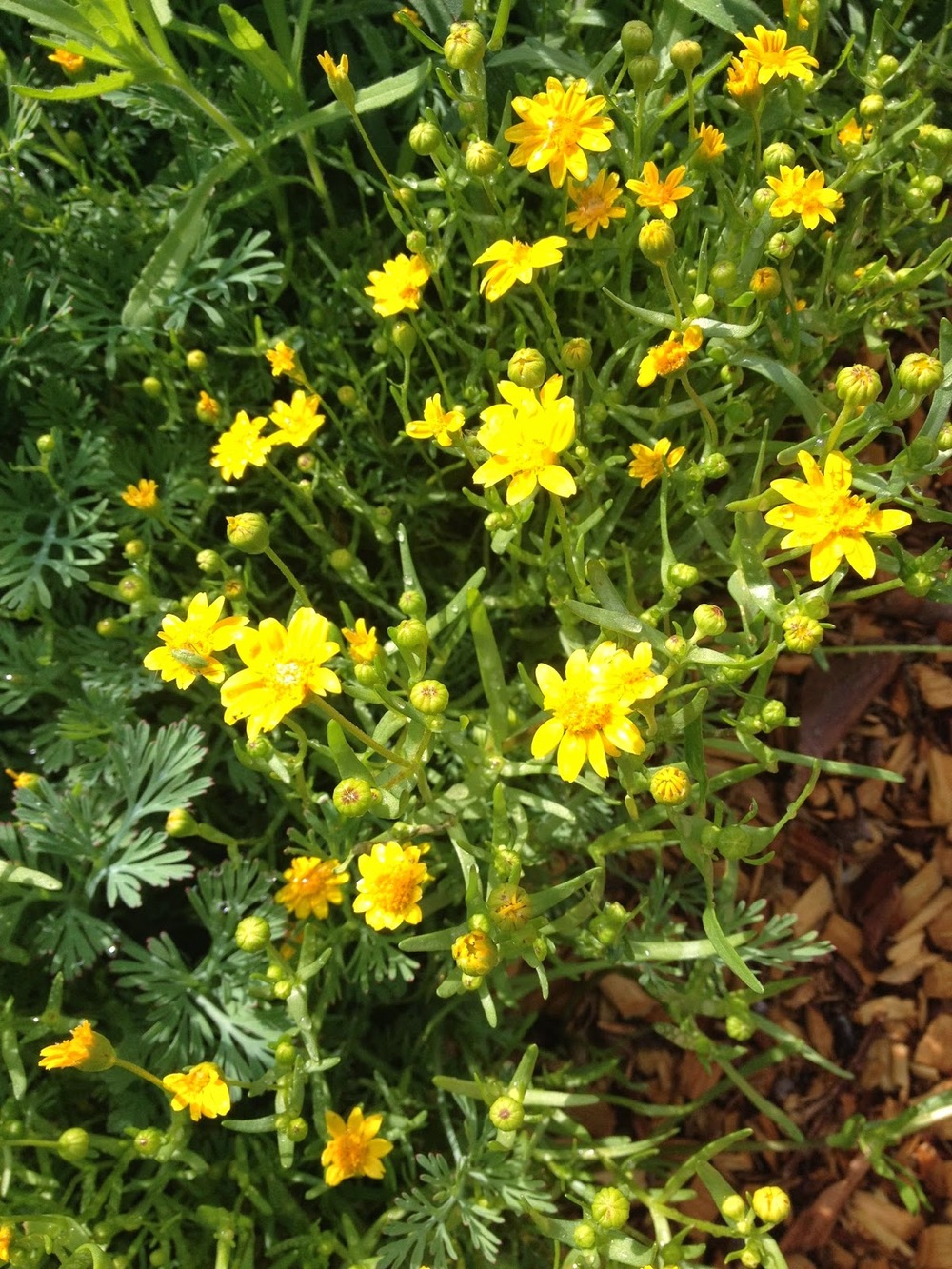
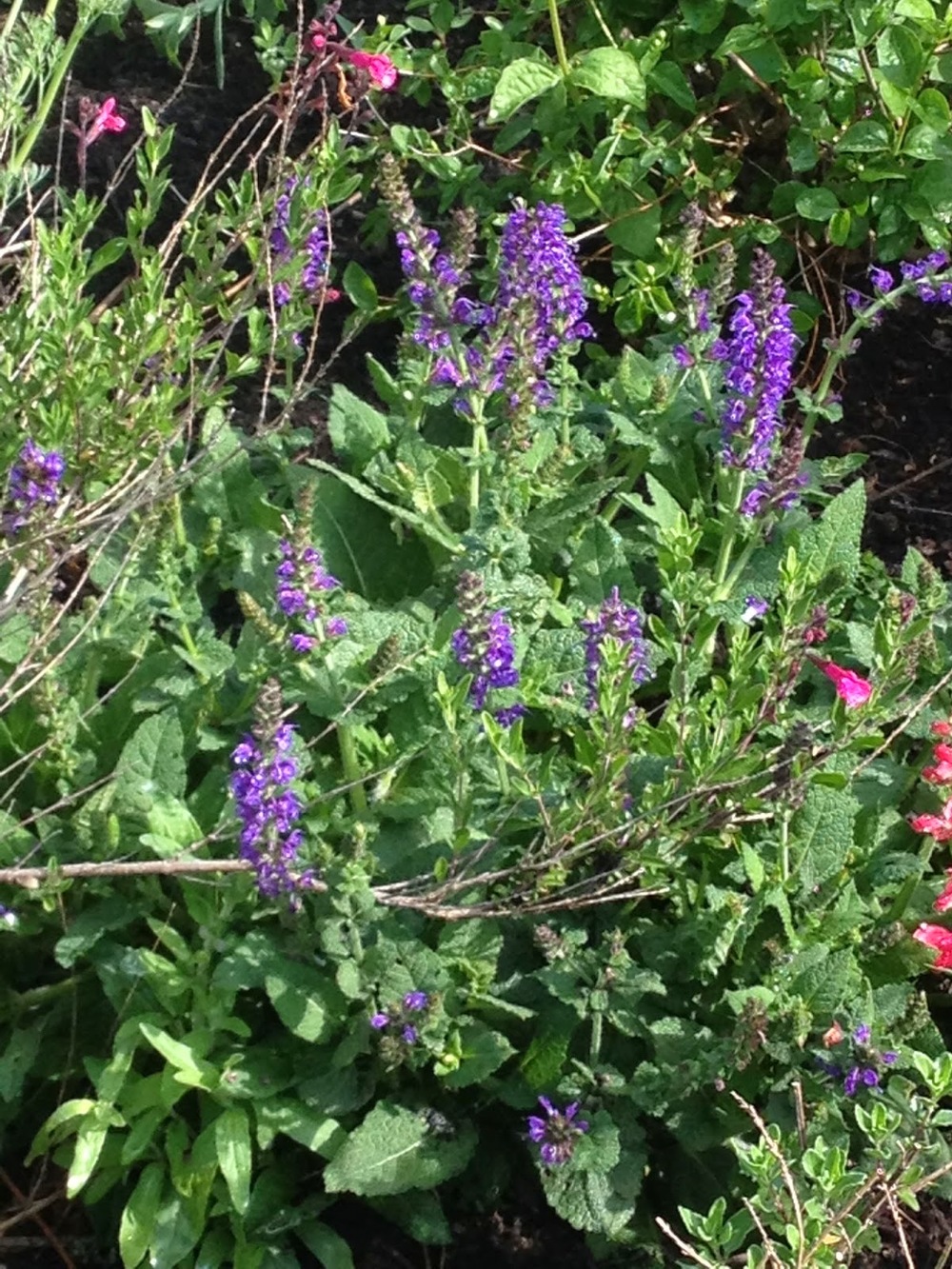
As I mentioned before, I've considered myself primarily a flower gardener in the past, with an emphasis on native or drought-tolerant plants. So I've planted a lot of salvia, sage, ceonothus, mallow, manzanita, toyon, ribes, heuchera, penstamon, monkey flower, poppies, figwort, etc. A great place to find ideas for these sorts of plants is the Bringing Back the Natives garden tour. I went six years in a row, and the gardens are all drool-worthy.


I also have a lot of flowers that are non-native, and not exactly drought-tolerant; I just like them.


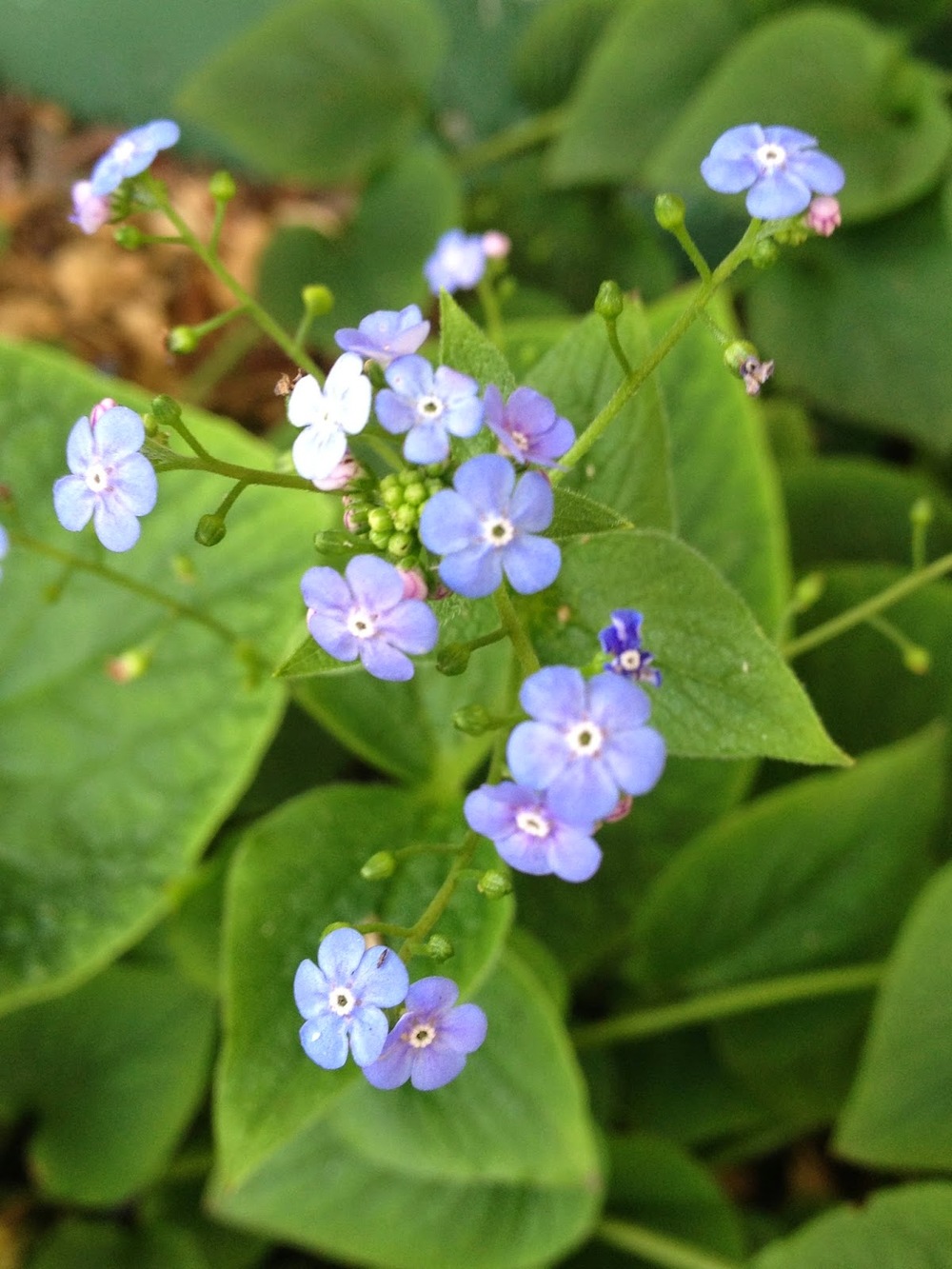


I think that I've always felt as though I wanted the weird plants, the ones that were more unusual, not what everyone else had in their yard, and not what you could find in any parking strip. No oleander, no petunias or begonias, no azaleas or camillas, not that there is anything wrong with any of those things. It's just that I wanted different things. The closest I have come to being 'mainstream' with my flowers is my spring bulbs, and I have all the usual suspects. The roses in my garden were here when we moved in. They bloom reliably despite my diffidence, and they provide the deer with food, which keeps them away from the stuff I really care about. I do have to admit, though, that roses can be quite marvelous.

This year, I kept reading what bees and other pollinators like. It sounds like they often go for plants with tiny flowers, like dill, alyssum, fennel, or yarrow, the latter which I grow. But they also like wide blooms like cosmos, calendula, marigolds, and sunflowers.

So I bought a host of those sorts of things, in seed form, this year. I've planted them all over my garden. I have to admit it was freeing to buy things I've always admired (chocolate cosmos, anyone?) but felt were too 'mainstreamed' for me. Why did I put that restriction on myself all these years? I have no idea.

The way I plant my annual native wildflower seeds, and the way I planted all these other seeds, is that I fill a bucket with good compost and mix the seeds in. Then I broadcast them around the area in my garden where I want them to grow. Sometimes it works. Sometimes they come up three years hence. But I can usually rely on a good show. In a couple of weeks, I expect an explosion of baby blue eyes, and I'll be sure to share that with you.

It's still early in the flower garden here. By the end of the month, my flower beds will be full of blooms; at least I have a few for the new bee colony, which arrives tomorrow.

The Plan

I've never had an actual plan before. In fact, sometimes I even forgot what I planted, and I'd have to wait until the vegetable/fruit came up, before I knew what I had placed there! This year, I decided to be more methodical about the process.

I started planning weeks ago when I ordered my seeds. I thought about the sun, and watched its patterns at different times of the day. (I thought I knew a lot about the sun in my garden, but until I spent time actually sitting and experiencing it, I really didn't.) I thought about the size of the plants, and how some large plants might shade smaller plants. I researched companion planting, and looked at how the Native Americans used to organize their fields. I read about succession planting, something else I've never done before. (For those of you who, like me, didn't know about succession planting, what it means is that you plant something in a bed early in the season, and then when it's played out, you plant something else in that same bed for later in the season.) I came up with a plan. Then scratched it. Then came up with another. Then trashed that. Finally this is what I decided on:


The bottommost bed is planted with things that will be done with by early June, depending on the weather - Romaine, Chard, Lettuce, Cilantro. I'm not sure yet what I will plant there later on in the season - though I know I'll want more cilantro for salsas. Likewise, the top 4x4 bed will need to be replanted once the peas and carrots have been harvested. And I'll want to save space for a fall planting of kales and chards. (I like having sautéed greens in my morning scramble and want to have plenty.)

The lettuce bed already has seedlings.


I am planning to start spreading coffee grounds around the edges of that bed, as it's supposed to deter slugs. (I'll believe it when I see it.)  I may need to go to a local coffee joint and get more, as our morning pot only provides so much.

The corn bed isn't completely planted yet. Well, the corn is. But I have to wait until the seedlings are several inches tall, before I plant the pole beans and the pumpkins. The pole beans fix nitrogen, which is good since corn is a heavy feeder. The corn provides a living trellis for the pole beans, and the pumpkins will provide a living mulch underneath to hold in moisture and prevent weeds from sprouting.

This is the first time I've ever put flowers in with the vegetables and fruit. I added borage, nasturtiums, and marigolds throughout, and added other beneficial plants around the garden, to attract insects. I'll save flowers for another day, because of course I also planted a lot of new varieties. I also planted a lot of herbs in different places in my garden, which I'll share with you some other time.

I'd love to know how other gardeners plan their gardens. Please share in the comments.


"Growing Cities" and growing tomatoes

Last night, I went to see the screening of a film called "Growing Cities." I've recently discovered the Institute of Urban Homesteading in Oakland, and I saw the trailer for this film on their website. I contacted my good friend Barbara, who also happens to be into this stuff, and she got us tickets, which was good because it was sold out and a long line of people were turned away at the door. I'm sorry there wasn't more room, but I am always so glad to see that there is so much interest in the subject of urban gardening!

The motto for Growing Cities is "Grow Where You Are." And the film showed people (heroes, really) growing nourishment in every major city across the United States; gardens in small reclaimed lots, on roofs, in windows, even in the back of a truck. Many of these were community gardens that also provided jobs for people in need, people transitioning from homelessness or prison. Many serve children, teaching them where food comes from and how to prepare and cook it so that it's delicious. All of them required hours and hours of volunteer time and care. It was an inspiring movie, and I'm glad I'm growing where I am.

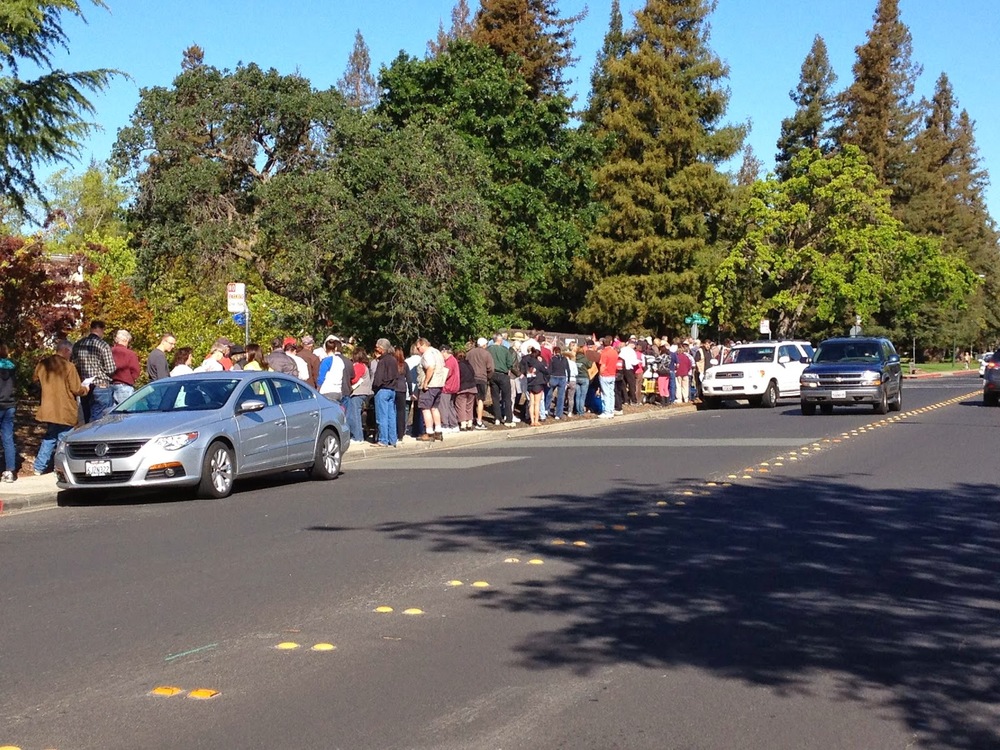
Which makes me think of the tomato sale I attended last weekend. A friend of mine has recently completed the Master Gardener training and told me about the tomato sale the volunteers put on in April. I showed up at 9, mistakenly; the sale didn't start until 10. There was already a long line of people with folding chairs and boxes and carts to wheel away their purchased bounty. I waylaid a volunteer (there were many) and asked if I came back at 10, would there be anything left? She assured me that there was plenty, so I did some grocery shopping, unloaded at home, grabbed some of Dad's Shaker Chip Boxes for my purchases, and went back to the sale.

Here's what I found:


While standing in line, I chatted with a volunteer. She mentioned that this particular garden (behind Civic Arts in Walnut Creek, it's called Our Garden) is completely volunteer run and last year donated 10,000 pounds of food to the Monument Crisis Center. It made me feel good to know that my purchases were helping further that good work! The volunteer also gave me a sheet with a list of the products I could buy. There must have been over 50 different varieties of heirloom tomatoes, of every variety you can find - cherry, slicing, paste, patio. I chose six tomato plants (with advice culled from other customers and ready-to-help volunteers) and six pepper plants. I was glad that I was limited in my carrying space so that I couldn't buy too many!


(Aren't those boxes gorgeous? Dad makes them in large quantities and we use them for absolutely everything. They have dovetailed corners and steam-bended arms, plus what I believe is a French finish. Every single volunteer (and more than a few customers) at the tomato sale commented on the boxes. If you'd like to see more of Dad's wonderful work, take a look at killenwood.)

(If you have yet to buy your tomato plants, don't despair! The Master Gardeners are having another sale this coming Saturday the 12th. For details, see here.)

Once the tomatoes and peppers were in the ground, we had to decide about cages. And oh my gosh, if there's anything people are passionate about, it's how to support tomato vines. In the past, I had used the cheap cages from hardware stores and nurseries. Well, of course they are utter crap for tomatoes, because a healthy tomato can grow 8-10 feet tall. As the plant grew, the cage grew with it, until it was four feet in the air. Then it toppled over as the tomatoes reached jungle proportions. Luckily I was growing them in an area of my garden that was out of sight, but by the end of the season, even I was scared to enter the forest that had become my tomato patch.

So in the spirit of doing things 'right,' and knowing that our new garden is in full sight of God and country, not to mention my fastidious neighbors, I set about researching tomato cages. Talk about going down the rabbit hole. Yikes! I read about trellising, both wooden and mesh. I read about staking, with wood or rebar. I read about the Texas Tomato Cage, which looked perfect, but would have set us back $200 for six.

Finally Tom and I decided on making our own wire cages, five feet tall, about 20" in diameter, and it cost $60 for a huge roll at Home Depot, plus we have leftovers for the cucumbers and tomatillos. It took us 1/2 hour to make them and put them up. We staked them on one side with green garden stakes, which were $1.28 each. We don't expect huge weather or wind this summer, so we could get away with just one stake holding each cage.

The only drawback is that the mesh isn't wide enough to put my hand through to pick tomatoes. So we'll snip some areas in the mesh in order to allow that, and hopefully the vines will grow through the cage enough that most of the fruiting will happen outside it.


Maybe some of you experienced gardeners can weigh in on how you like to stake your tomatoes.

Meanwhile the peppers get the benefit of all the old cages, and they'll do fine with those.


I did a little companion planting with the tomatoes, too - some borage, plus some basil. We'll see how that all works out. I'm also hoping the tomato roots can push down through the rotting cardboard at the base of our sheet mulch, and can get into the ground below that. Those roots are gonna have some digging to do.

Ideas

So I started researching, for real, about a month ago. I have read just about everything I could get my hands on about urban farming, homesteading, different methods of gardening, permaculture, you name it. I've been gardening many years, but I still consider myself a complete noob when it comes to this stuff. I mean, I usually just put some seeds in the ground, and hope they grow! This year I thought it was finally time to really figure it out.

I think that desire began when I changed my eating habits. In January I gave up all processed foods, sugar, and all grains. And that meant that my diet was made up of primarily meat and plant foods, all lashed generously with oil. Buying 7-10 containers of organic greens each week at Whole Foods or Trader Joe's got expensive quickly, and that was just for my breakfast! The farmers market was better, but I still wanted the ease of walking out my front door to harvest my meals. I knew that I could grow food, as I had done it for years. I just wanted to change the amount and variety of food I was growing.

So, I started reading, which is what I do when I want to learn stuff. I enjoyed books by Novella Carpenter (Farm City and The Essential Urban Farmer), Backyard RootsLittle House In The Suburbs, Toby Hemenway's (essential!) Gaia's GardenFarmer Jane, some books about chickens (chickens are on the five-year plan) such as Free-range Chicken Gardens, books on homesteading, like The City Homesteader... the list goes on and on. All these books gave me IDEAS.

Too many ideas. Not enough money. Definitely not enough time. Tom works crazy hours as an administrator at a local college. I work much less, as a para-educator helping autistic children, but I've got our home and two kids to take care of, plus a dog and a cat. I wondered how we could keep it small scale, or at least manageable.

This is when I decided to take one project at a time. If it got done, terrific. If it didn't, oh well, it was on the 'next year' plan. The other thing I knew was that any purchases I made had to come out of my weekly budget, so I needed to do a little at a time.

The first thing I did was attend a local bee association meeting, join, and order a colony of honeybees. My dad has kept bees for many years, and I always knew I wanted to, as well. So I dove in to that without thinking too much about it. Luckily my dad is also a woodworker, so he is making a hive for me. The bees arrive April 12, so you'll hear more about that adventure then.

I was also sure that I wanted more fruit. So Tom and I bought a fig tree, two blueberry bushes, and several strawberry plants to join our currant strawberries, and the peach, apple, and quince trees in the back yard.


Next, I built a hugelkultur and made it in to an herb spiral. More on this project later.


It's spring, so our minds (and stomachs!) turned to asparagus. We can eat quite a lot, so I dug an asparagus bed. More on this project later.


I already had about 30 packets of seeds, annual Native California stuff, so I planted those. (I get my native seeds from Larner Seeds; the owner, Judith Larner, is incredibly knowledgable about natives and her demonstration garden is heaven.)

Then I ordered my vegetable seeds. This year I ordered everything from Renee's Garden, I've used their seeds before and they always do well in my climate. They are based in California, too. I ordered everything I wanted to eat, sometimes more than one variety (using a permaculture premise - more variety is good!).

And then the sheet mulching began.

So here's the point I'm making: It's impossible to do it all at once, unless you are independently wealthy and/or retired. My sometime-in-the-future plans for the garden include chickens, a run and a coop for them, and a dry creek bed. I also would very much like more native clover seeds for the 'lawn' (basically just for the bees). And I'd like some new outdoor furniture because ours is old and run down. We only have one rain barrel, and we need one at every downspout. We also need to convert some of our sprinklers to drip. Olive trees? yes! Citrus? yes! The list of things to want and do just keeps growing!

So we'll evolve. We'll change, we'll explore new ways of doing things, the way we planted this year may not work and it might be a total failure, or it'll be great and we'll expand even more.

A Brief History and New Beginnings!

Welcome to Poppy Corners, a tiny house on a smallish lot, about 20 miles east of San Francisco. We've lived here about 10 years and we love our neighborhood!

Here's what you need to know about the history of our yard:

I've always gardened, mostly flowers. About eight years ago I got interested in native and drought tolerant plants, so I replaced a lot of our overgrown, weedy yard with those sorts of plantings. About five years ago, I started with a very small vegetable plot, about 5x7. I grew greens in the winter (kale, chard, spinach) and corn and tomatoes in the summer. We also harvested from the peach, apple, and quince trees already on the property. (Well, maybe not from the quince. I still need to know what to do with that stuff.)  Then the veg area got too shady from trees growing large. So, this year, we decided to make some changes.

California is in the midst of a terrible drought, so we knew that the sprinklers wouldn't be running as frequently as usual. Our lawn (which isn't really a lawn, it's a collection of various grasses and weeds, mostly weeds) used most of that water. So we knew a good portion of it had to go. We decided to sheet mulch the sunniest area and build new raised beds. Last winter, I sacrificed some of my sunniest flower beds to two 4x4 veg beds, and that's where I grew our winter crop this year.


I grew two kinds of kale, spinach, chard, and romaine in the front bed. The back bed has carrots and peas. Those will remain until they are ready to eat, and then I'll plant something else. Meanwhile, I've harvested the last of the greens and replaced them with tomatoes. That was a fun day - washing and storing all those greens.


But they'll get eaten quickly. I eat about a pound of greens just by myself, each day.

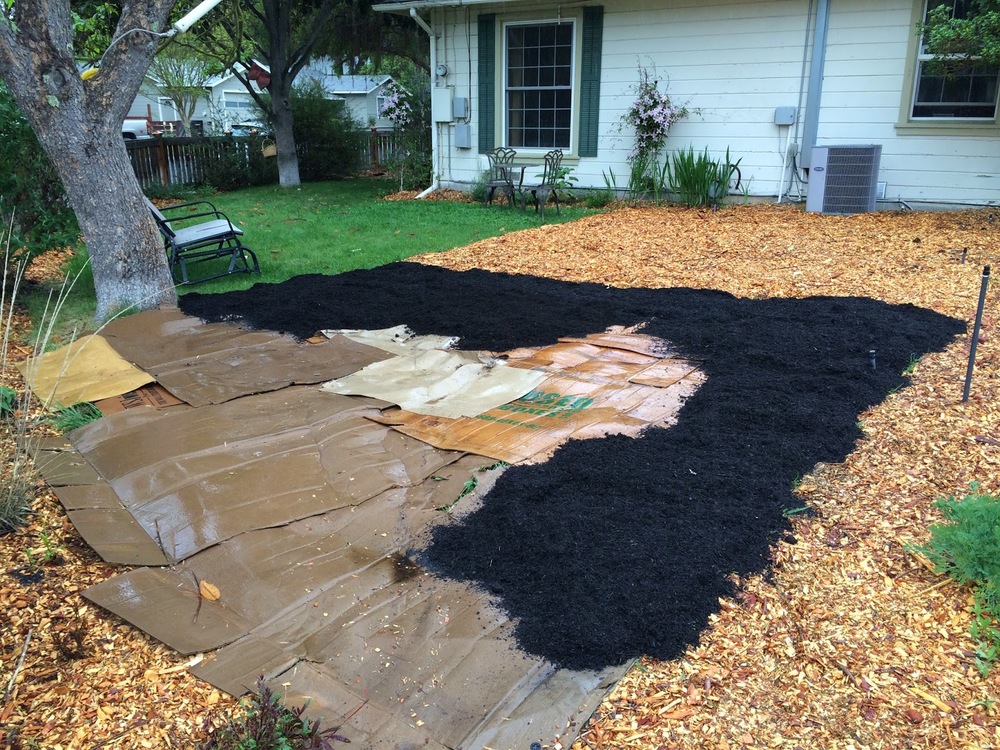
Anyway! Here's a view of the sheet mulch in progress.


First I went begging for the cardboard from my neighbors. They had some. Then I went to a local plant nursery and went through their recycling (with their permission). Then I resorted to skulking around my local recycling center and diving into dumpsters for the cardboard I needed. This project took a LOT of cardboard!

Then we starting hauling compost. Truckload after truckload of compost, shoveled out onto our driveway and then wheelbarrowed into place. We also sheet mulched in front of our house (these pictures are from the side yard), but that's a project to tell you about another day. All told, we shoveled in 7 cubic yards of compost this year. Some of that went in the raised beds, as you will see.

I called around to local tree companies and one agreed to drop me a load for free.


We estimate this was about 20 cubic yards of wood chips. We're down to our last few wheelbarrows. Every plant in our yard got a shovelful (or two) of compost, and a layer of mulch. This should help immensely with water retention, this summer.

Then the building of the new beds began! Tom was the workhorse of this project, and it took him one day.


He made these of redwood, and they are 4x8. (I recently read about Mel Bartholomew's method http://www.amazon.com/All-New-Square-Foot-Gardening/dp/1591862027 and I liked the idea, but I tweaked it a bit). Then, we filled them with organic compost. Today, I finished up the planting, and here's how it looks now.


It's been a whirlwind these past three weeks. Can't wait to see seedlings come up!

Just for fun, here's a picture of the side yard, shortly after we moved in. Kate was not yet 2. There were large privets and an Elm that came out in subsequent years.


That little girl is pretty cute, yo.